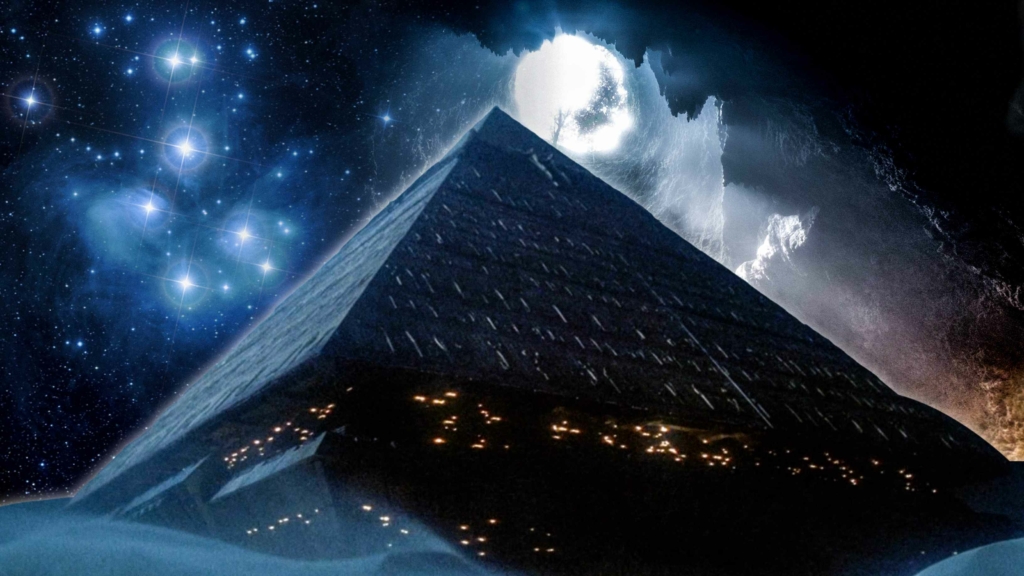
The great underground pyramid of Alaska!
The Black Pyramid is buried deep in the ground in the Alaskan desert and would be much larger than the Great Pyramid of Giza.

The Black Pyramid is buried deep in the ground in the Alaskan desert and would be much larger than the Great Pyramid of Giza.
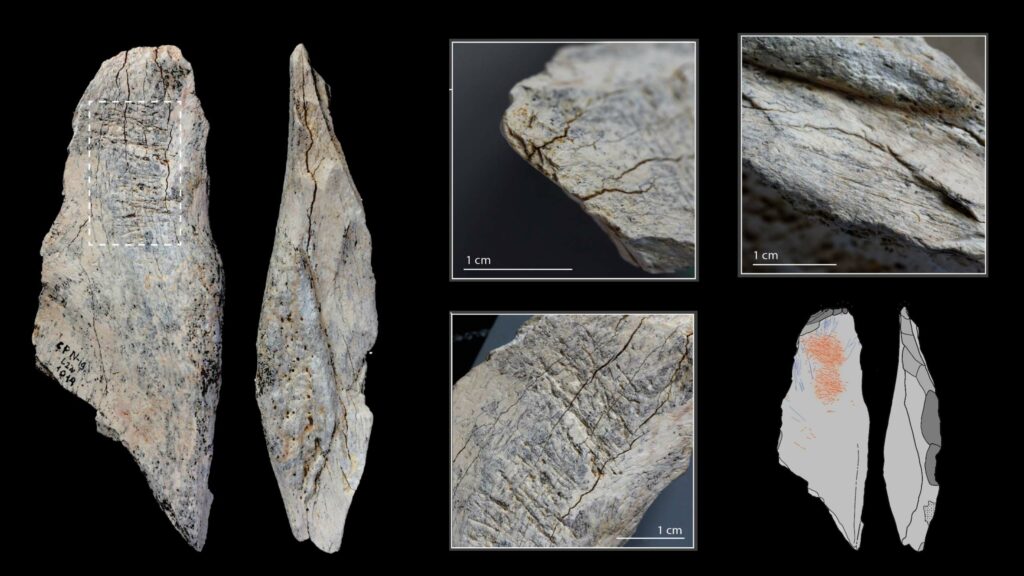
Like modern humans, Neanderthal made and used bone tools for their daily needs.
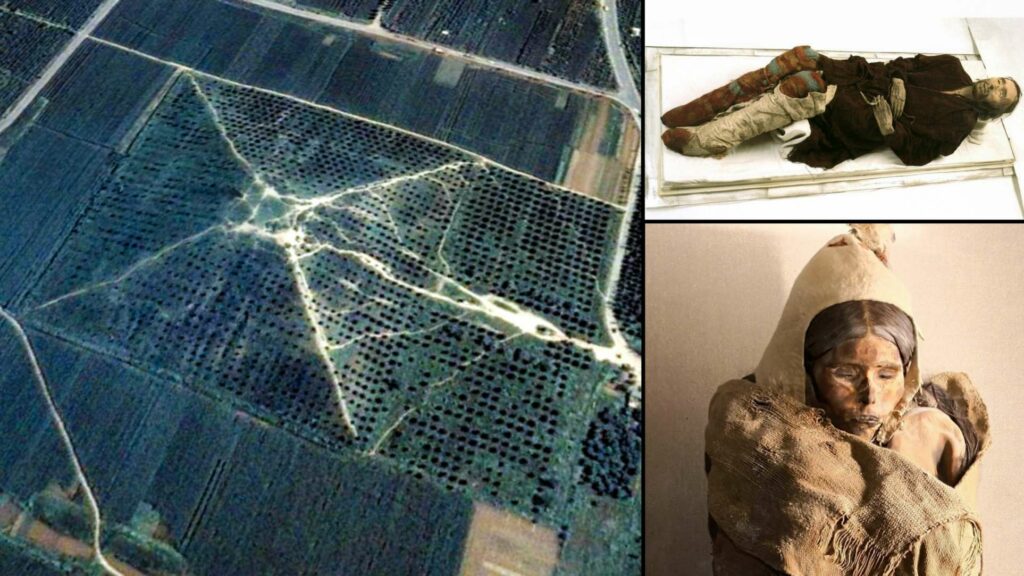
Archaeologists using genetic testing have proven that Caucasians roamed China's Tarim Basin thousands of years before East Asian people arrived.
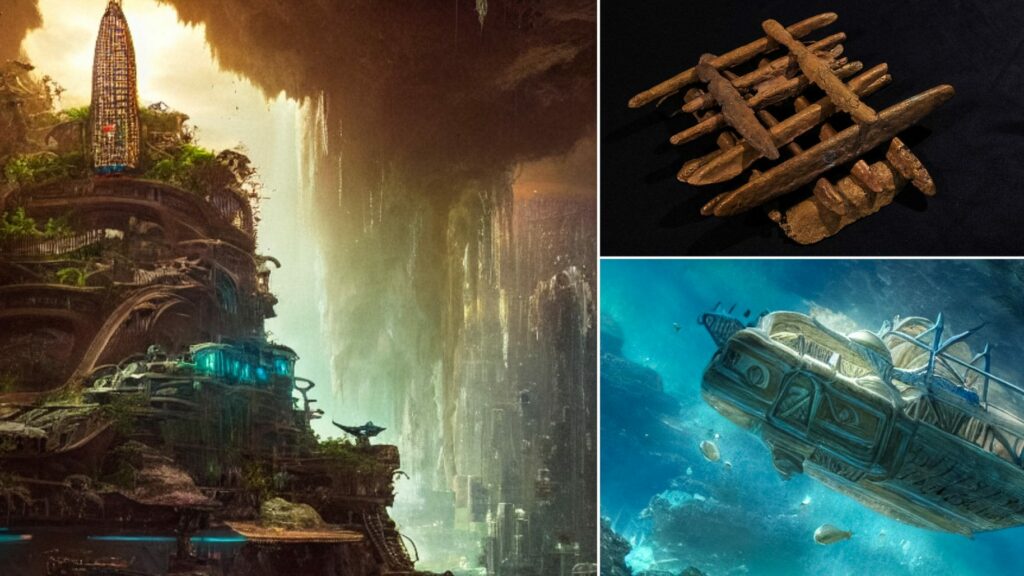
While it isn’t proof that legendary Atlantis ever existed, the discovery of a large quantity of metal bars in an ancient shipwreck is a figurative gold mine for archaeologists.
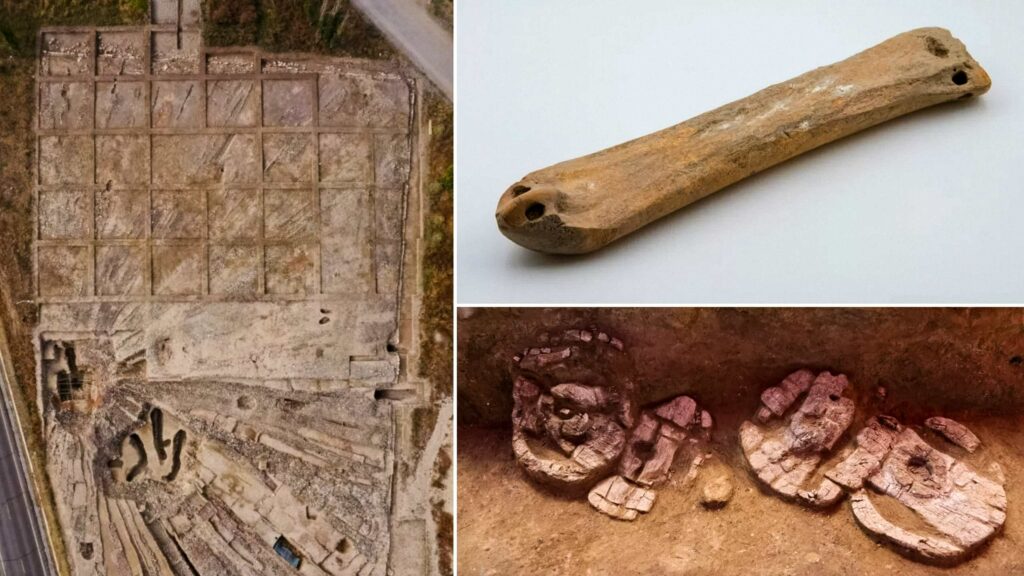
Ice skates made of bone have been unearthed from a Bronze Age tomb in western China, suggesting an ancient technological exchange between the east and west of Eurasia.
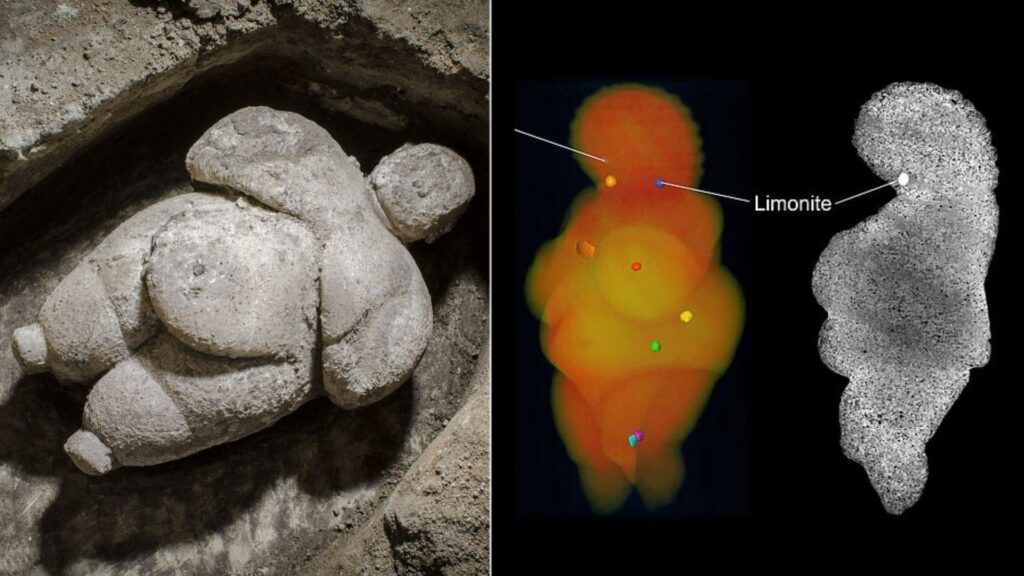
Believed to have been crafted by nomadic hunter-gatherers during the Upper Paleolithic period, the Venus of Willendorf is unique in terms of its design and material; as it is made of a type of rock not found in the area of Willendorf, Austria. It likely originated from northern Italy, suggesting the mobility of early humans in the Alps.
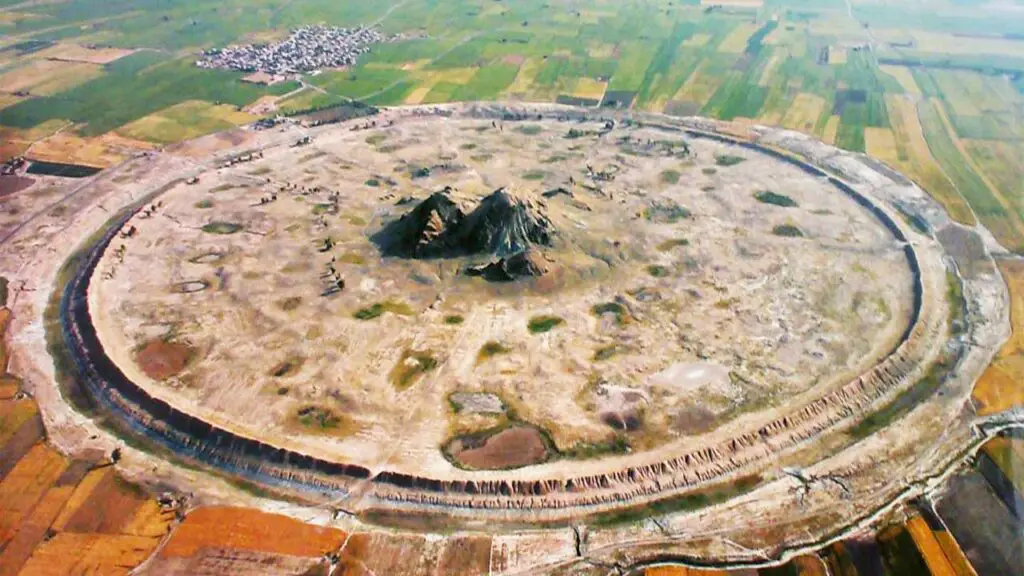
Located at the core of the expansive and lush Darab plain, the ancient town was dominated by the salt dome of Darabgard. Encircled by a circular fortification, this prominent feature held a central position within the town.
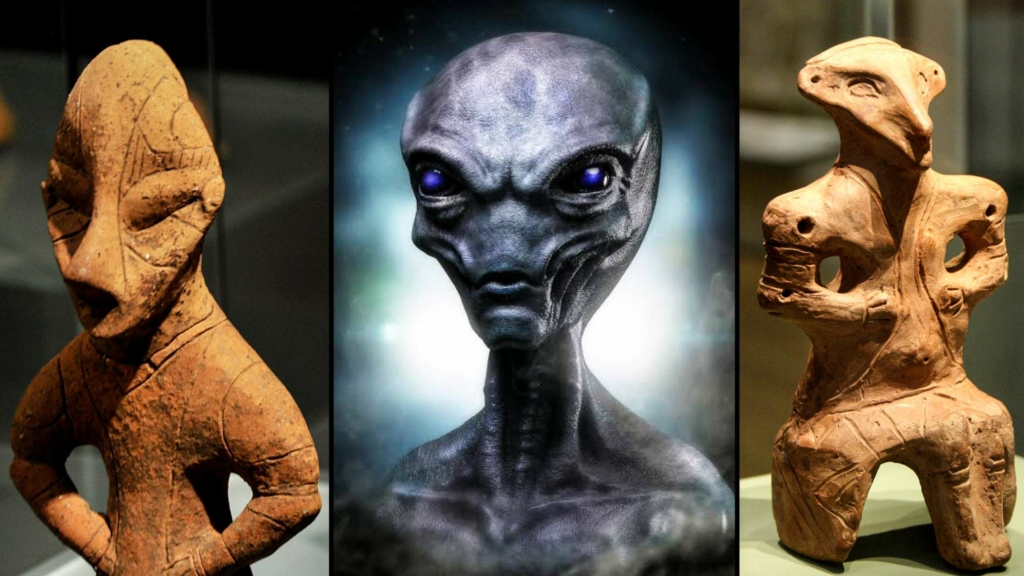
The Vinča was a mysterious European culture that left in legacy an unknown, never successfully deciphered script.
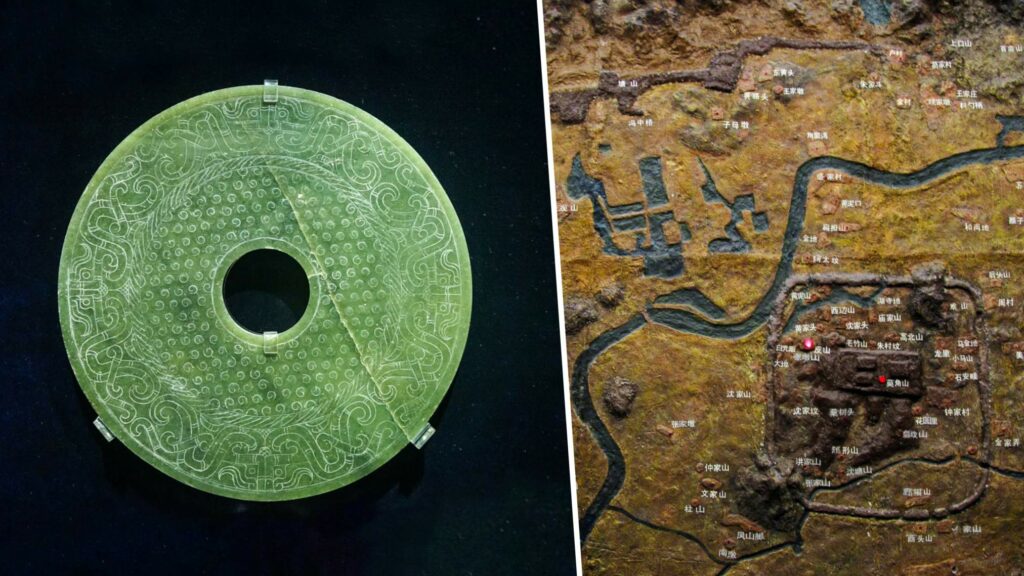
The mystery surrounding the Jade Discs has led many archaeologists and theorists to speculate various fascinating theories.
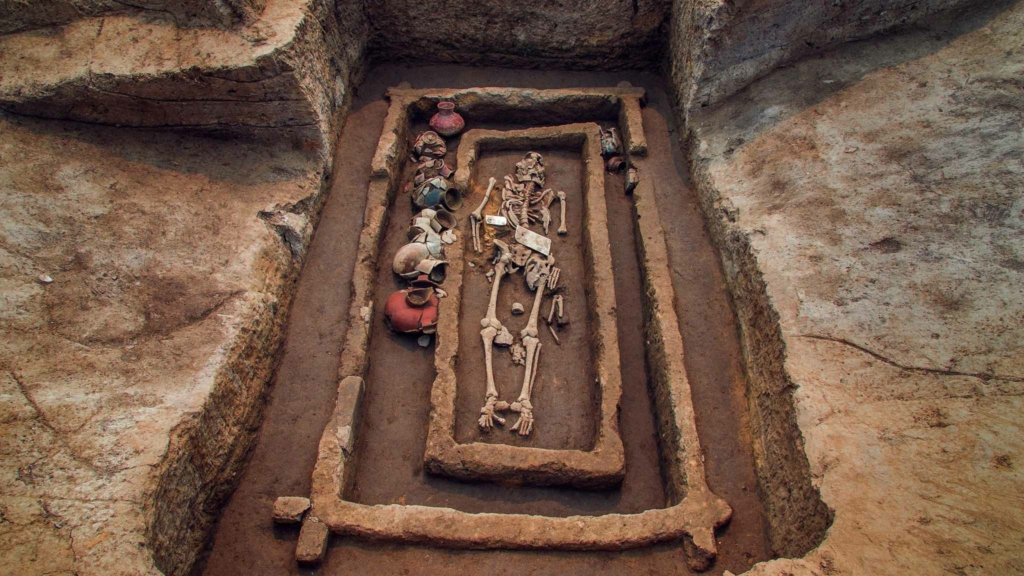
In 2016, During an excavation of a late Neolithic settlement in Jiaojia – a village in China’s Shandong province, the remains of an unusually tall group of people were found…