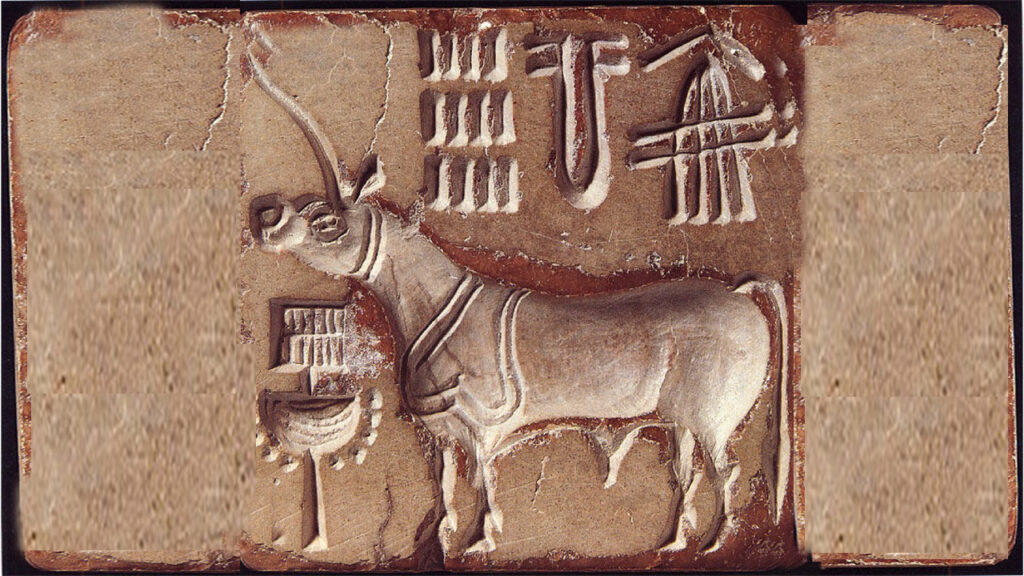
Why did an ancient civilization keep engraving the same mysterious animal?
Thousands of seals from Harappan cities carry a lone, single-horned beast. Nobody can say for sure what it meant.

Thousands of seals from Harappan cities carry a lone, single-horned beast. Nobody can say for sure what it meant.

More than 5,500 years ago, a deadly plague swept through prehistoric communities in Siberia, leaving behind one of humanity’s oldest known epidemics. Ancient DNA extracted from human remains has now revealed the world’s earliest confirmed plague outbreak. The discovery challenges the belief that major diseases emerged only after the rise of cities and farming.
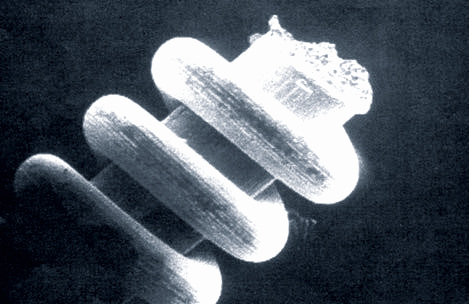
These mysterious microscopic-objects discovered near the bank of Kozhim, Narada, and Balbanyu Rivers may completely change our perception of history.
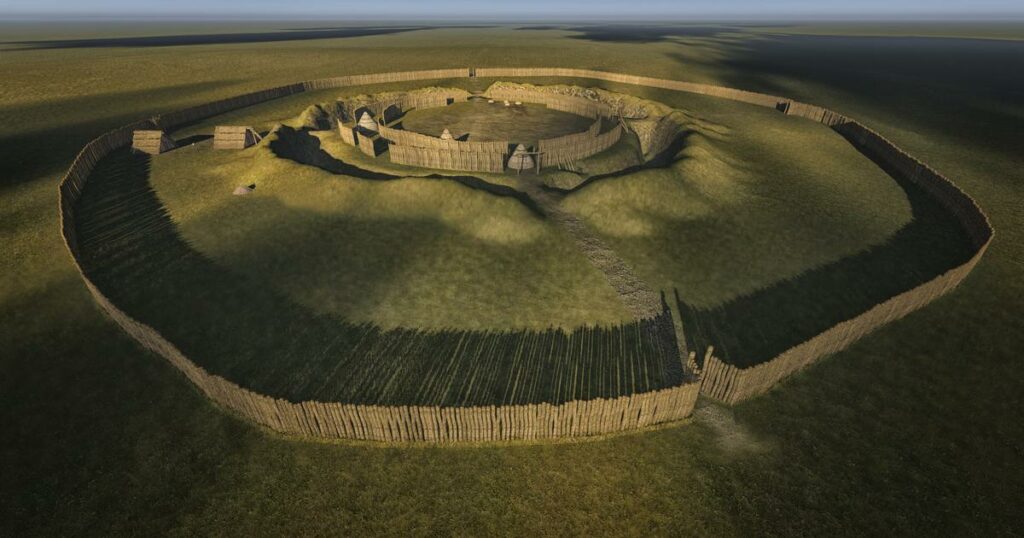
Roundels are 7,000-year-old circular structural remnants found throughout Central Europe. These strange structures, built more than 2,000 years before Stonehenge or the Egyptian pyramids, have remained a mystery ever since they were discovered.
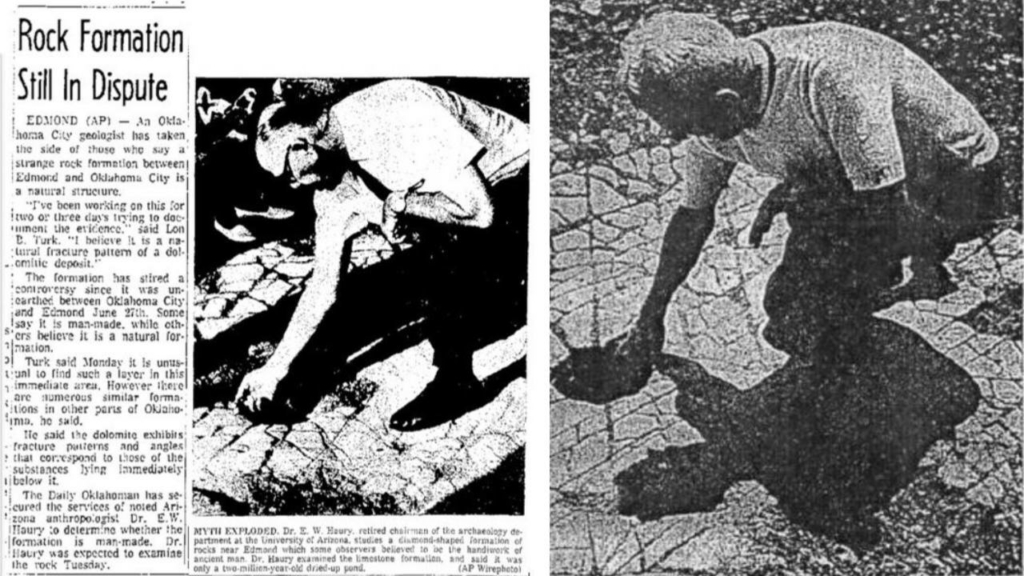
In 1969, construction workers in Oklahoma, USA, discovered a strange structure that appeared to be man-made and, according to many authors, had the potential to rewrite not only the history…

A team of archaeologists has discovered the oldest known pet cemetery on record — a nearly 2,000-year-old burial ground filled with well-loved animals, including the remains of cats and monkeys…
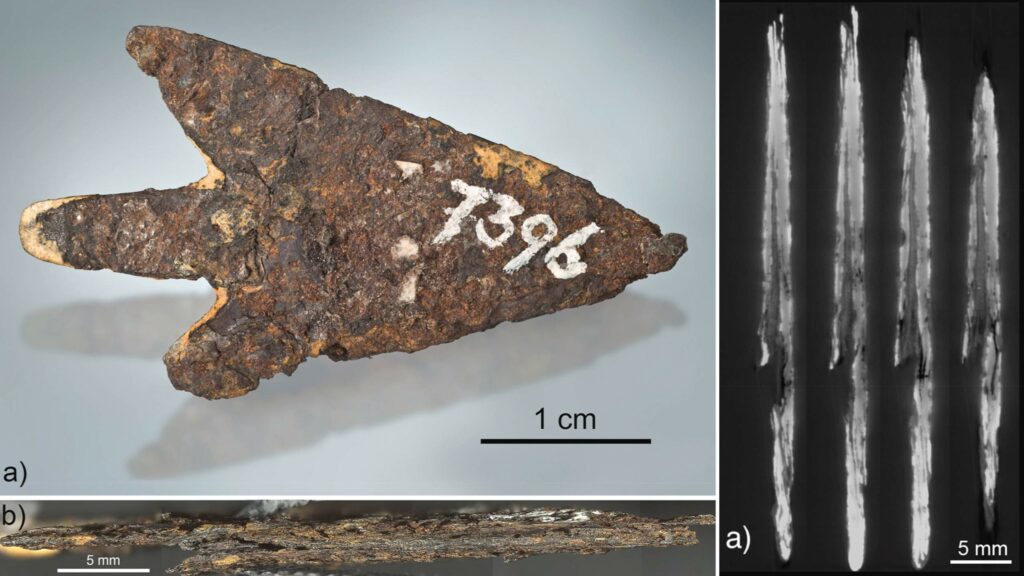
In the 19th century, an archaeological excavation in Switzerland uncovered a Bronze Age arrowhead composed of an unexpected material.
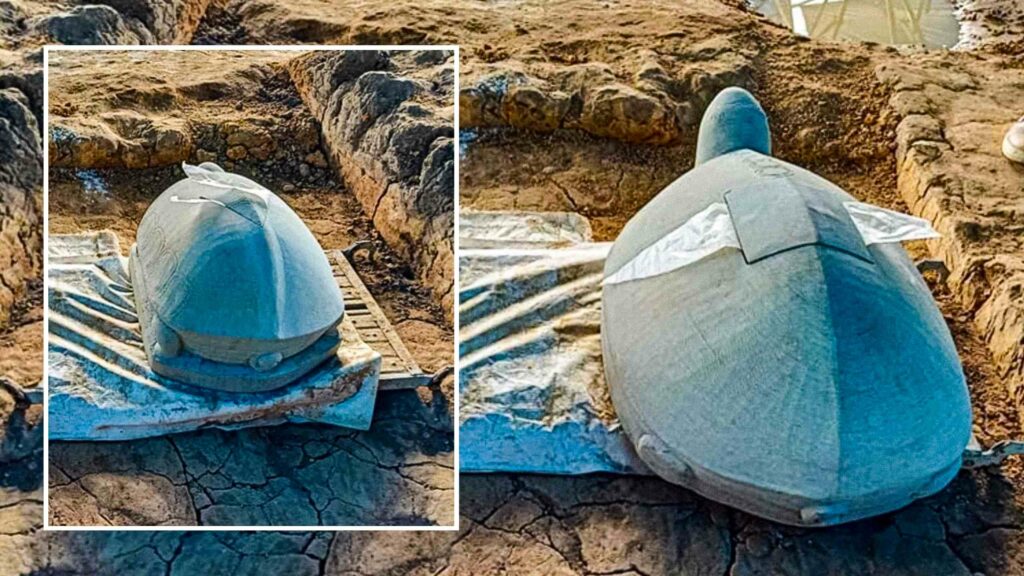
Cambodian archaeologists have unearthed a large centuries-old statue of a turtle in an excavation at the famous Angkor temple complex in the country’s northwest.
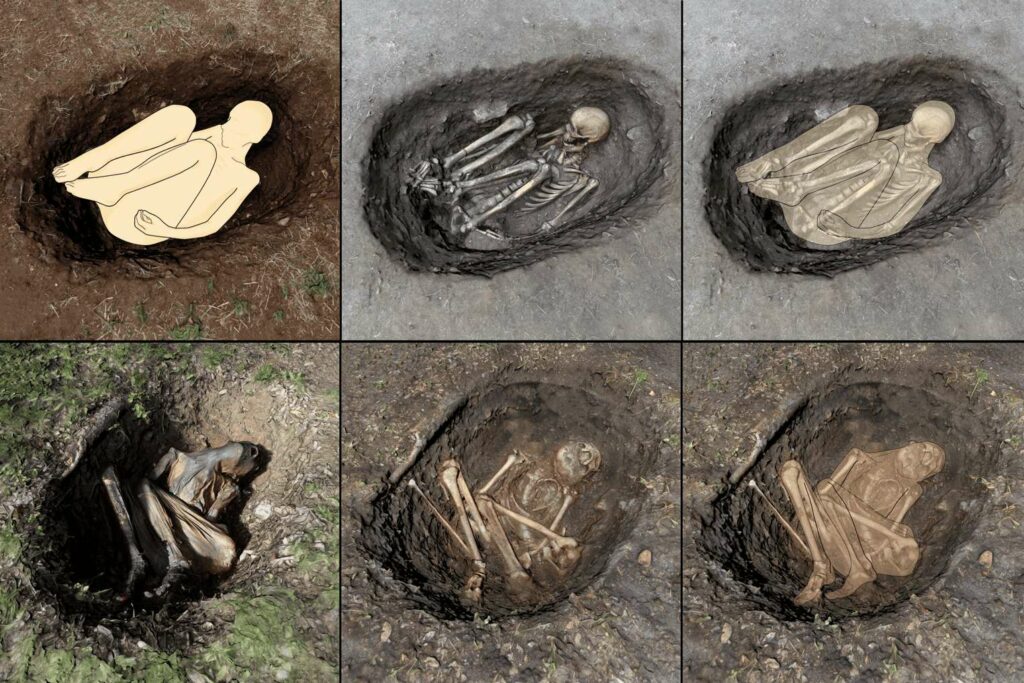
According to research based on historical photographs, the bones may have been preserved millennia before the otherwise oldest-known mummies. According to new research, a group of 8,000-year-old human remains discovered…

Archaeologists working on the Mayan railroad, which will connect many pre-Hispanic sites in the Yucatan Peninsula, discovered a statue of the deity of lightning, Kawiil.