
The terrifying lake that turns animals into stone!
Lake Natron in northern Tanzania is one of the harshest environments on Earth. Temperatures in the lake can reach 140 °F (60 °C) and its alkalinity is between pH 9 and pH 12.

Lake Natron in northern Tanzania is one of the harshest environments on Earth. Temperatures in the lake can reach 140 °F (60 °C) and its alkalinity is between pH 9 and pH 12.

Antarctica is known for its extreme conditions and unique ecosystem. Studies have shown that animals in cold oceanic regions tend to grow larger than their counterparts in other parts of the world, a phenomenon known as polar gigantism.
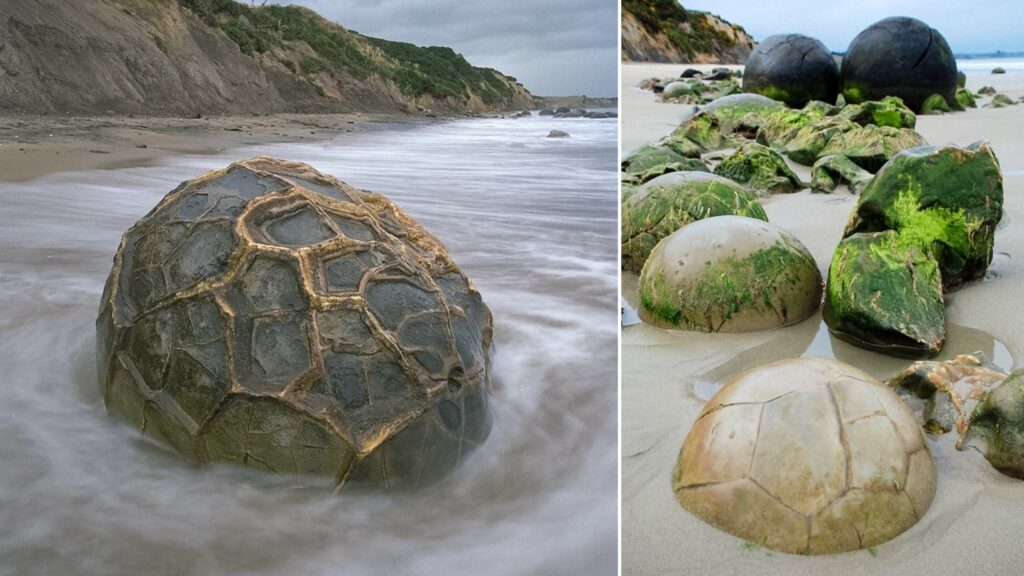
These enigmatic spheres, appearing as though they have been haphazardly scattered on the beach, exude an otherworldly aura.

The ancient underwater city of Kitezh is shrouded in myths and mystery, but there are many indications this place really did exist before it was destroyed.

Diving deep into the mysteries of the past, discovery in the depths of the Black Sea unveiled a treasure trove of ancient shipwrecks, dating as far back as 2,400 years, with some ships so well-preserved that the chisel marks of the original builder could still be seen.
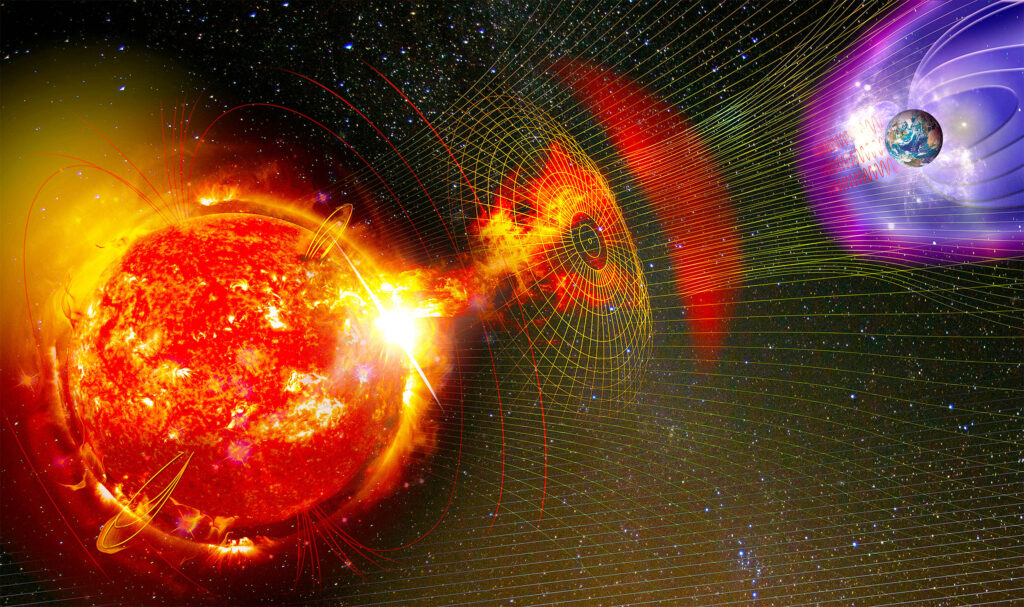
On September 1, 1859, the Sun spewed electrified gas and subatomic particles amounting to the energy of 10 billion atomic bombs towards the Earth, causing telegraph communications to fail, literally shocking operators, and causing systems to catch fire. Northern Lights were reported as far south as Cuba and Hawaii, allowing witnesses to read newspapers by the light of the auroras alone.
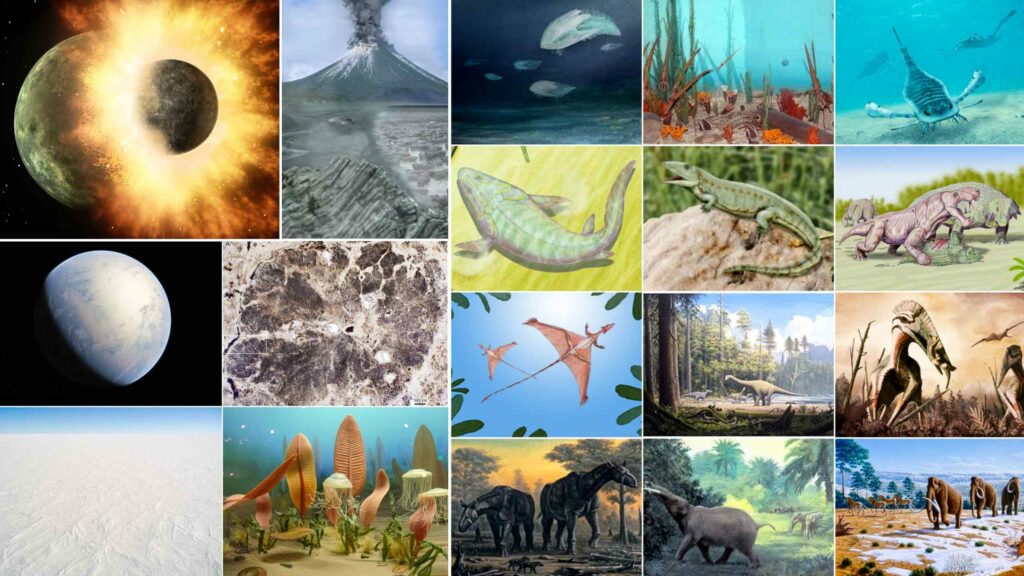
The history of Earth is a fascinating tale of constant change and evolution. Over billions of years, the planet has undergone dramatic transformations, shaped by geological forces and the emergence of life. To understand this history, scientists have developed a framework known as the geological time scale.

These five mass extinctions, also known as "the Big Five," have shaped the course of evolution and dramatically altered the diversity of life on Earth. But what reasons lie behind these catastrophic events?
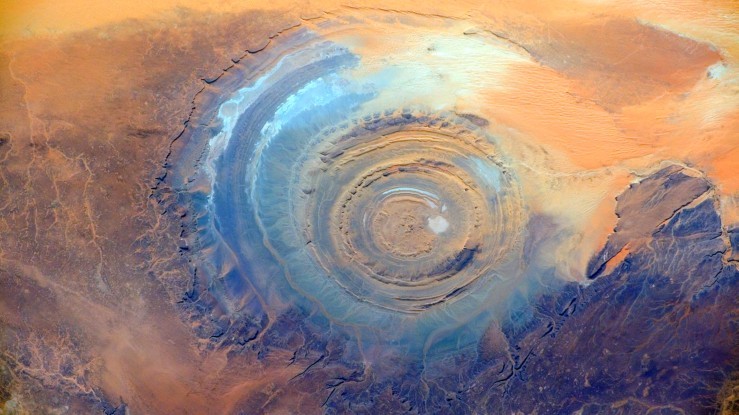
Among the list of the hottest places on Earth, the Sahara desert in Mauritania, Africa definitely figures in the lineup, where temperatures can reach as high as 57.7 degrees Celsius.…

Five-eyed shrimp that swam the oceans over 500 million years ago could be the 'missing link' in the origin of arthropods, fossil reveals