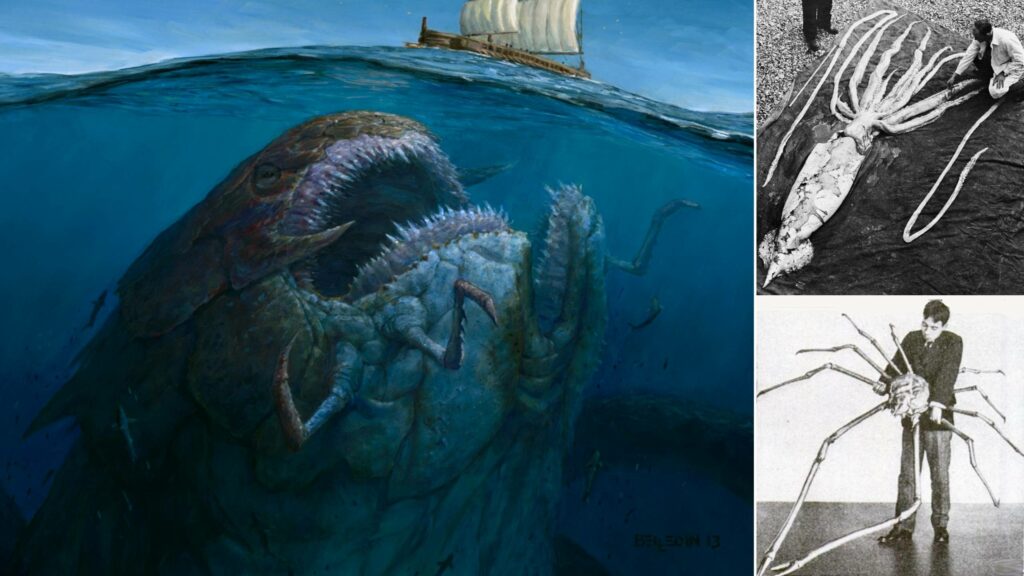
Polar gigantism and Palaeozoic gigantism are not equivalent: Monstrous beings lurking beneath the ocean depths?
To truly understand the difference between polar and Palaeozoic gigantism, we need to delve into their respective origins.

To truly understand the difference between polar and Palaeozoic gigantism, we need to delve into their respective origins.
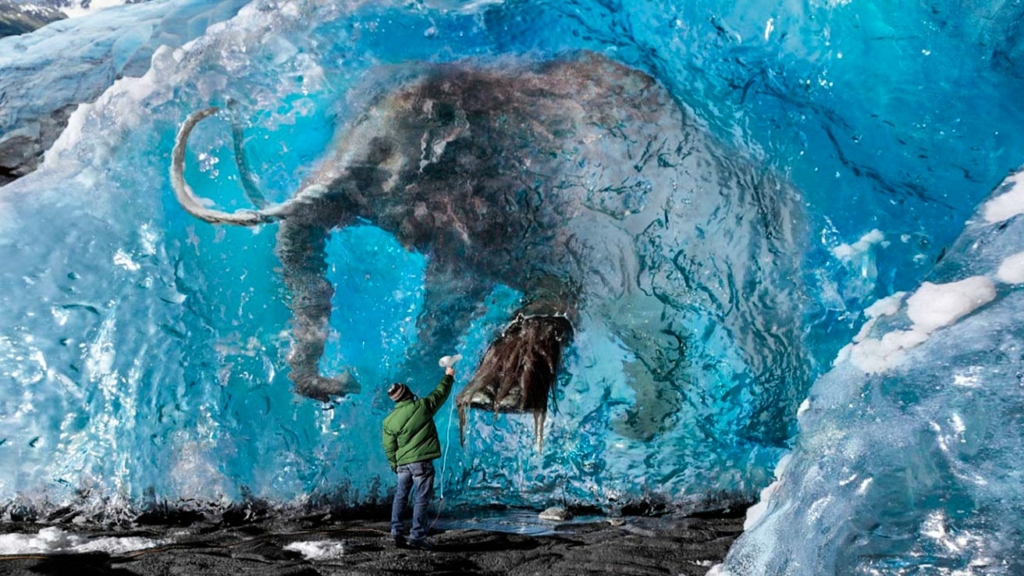
Scientists struggle to understand why these animals lived in Siberia and how they died.
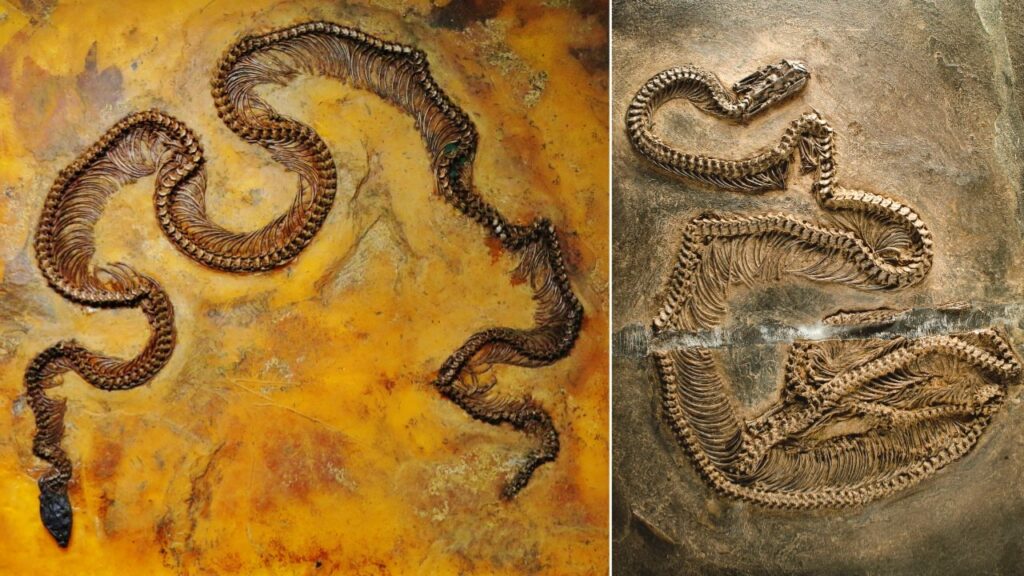
A fossil snake with the rare ability to see in infrared light was discovered in the Messel Pit, a UNESCO World Heritage site in Germany. Paleontologists shed light on the early evolution of snakes and their sensory capabilities.
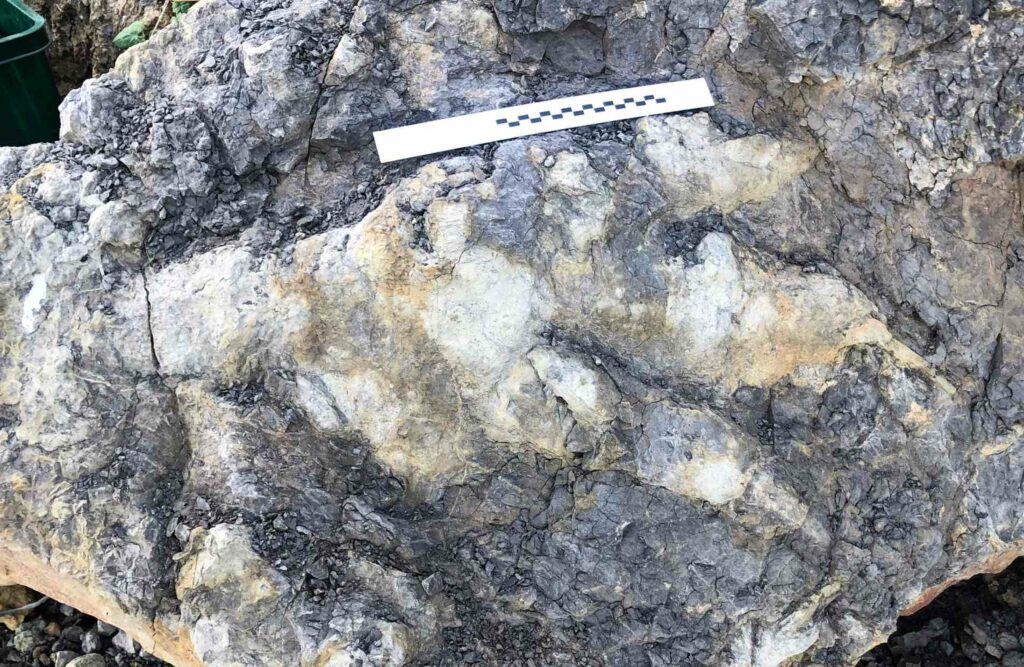
A record-breaking dinosaur print found on Yorkshire's coast may have been left by a predator stopping for a rest 166 million years ago, researchers believe.
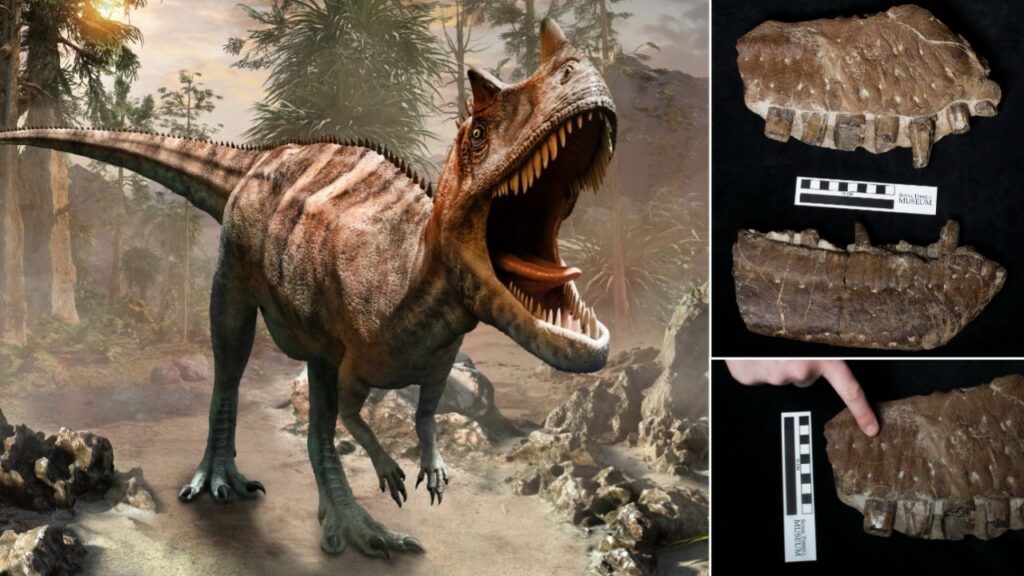
Thanatotheristes degrootorum is thought to be the oldest member of the T-Rex family.
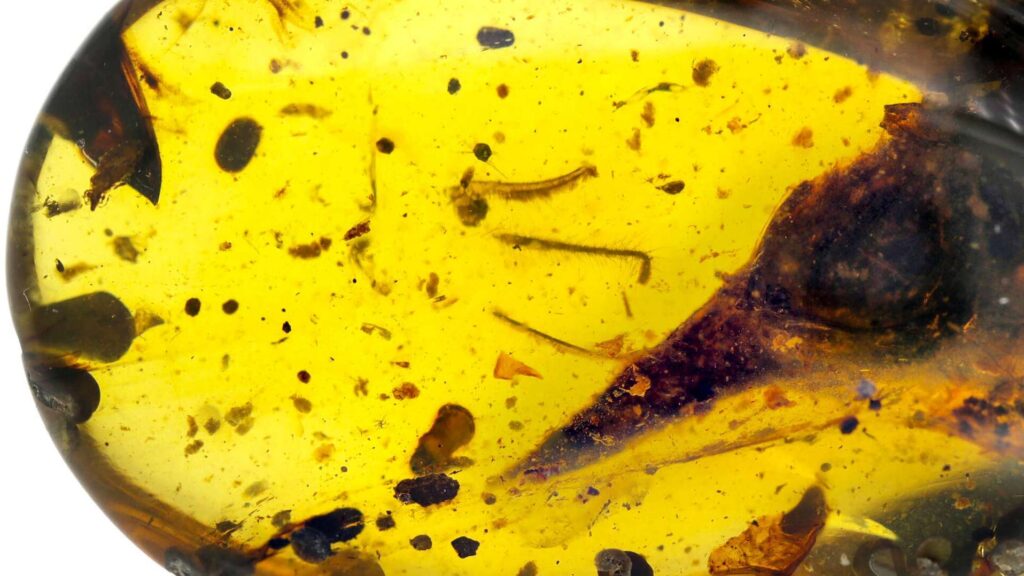
The skull of an extraordinarily well preserved bird in amber from 99 million years ago, found in Burma, is the smallest dinosaur known to date. The specimen, called “Oculudentavis khaungraae“,…
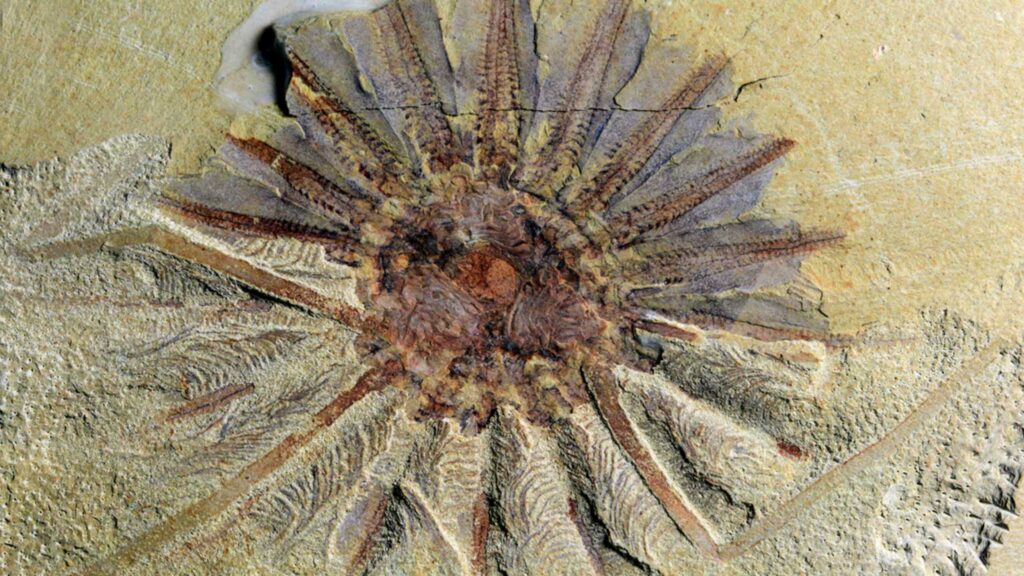
After researchers observed a definite similarity between several sea-floor inhabitants, a small-known carnivore species of the ocean has been assigned a new spot in the evolutionary tree of life.
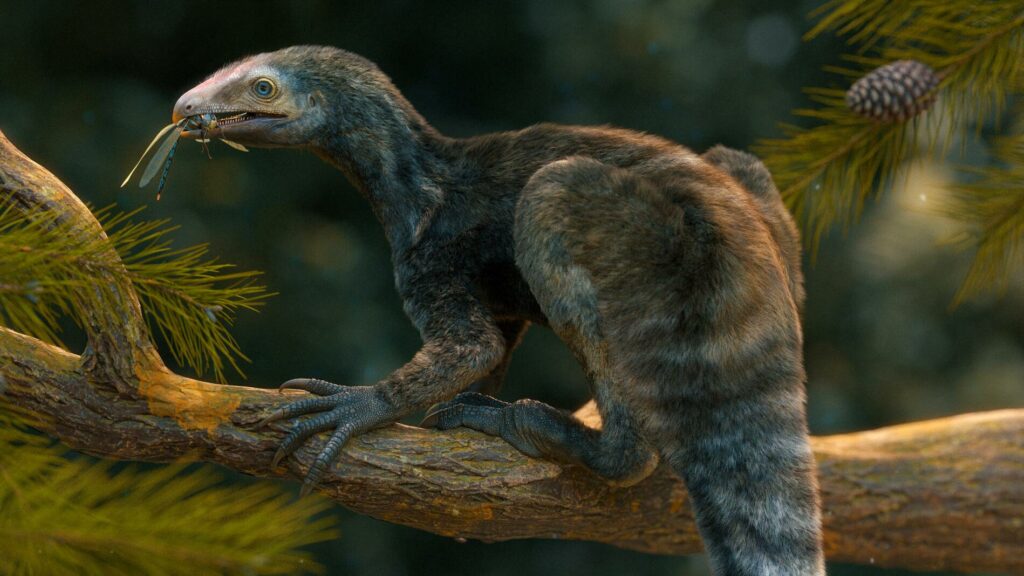
The ancient predator, which scientists have named Venetorapter gassenae, also had a large beak and likely used its claws for climbing trees and picking prey apart.
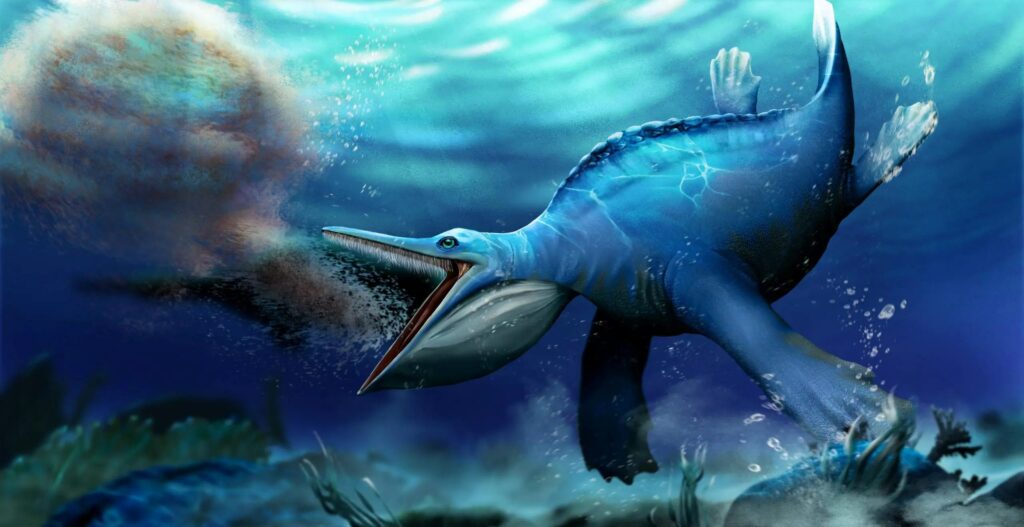
A recent discovery of a fossil from China shows that a group of reptiles had a whale-like filter feeding technique 250 million years ago.
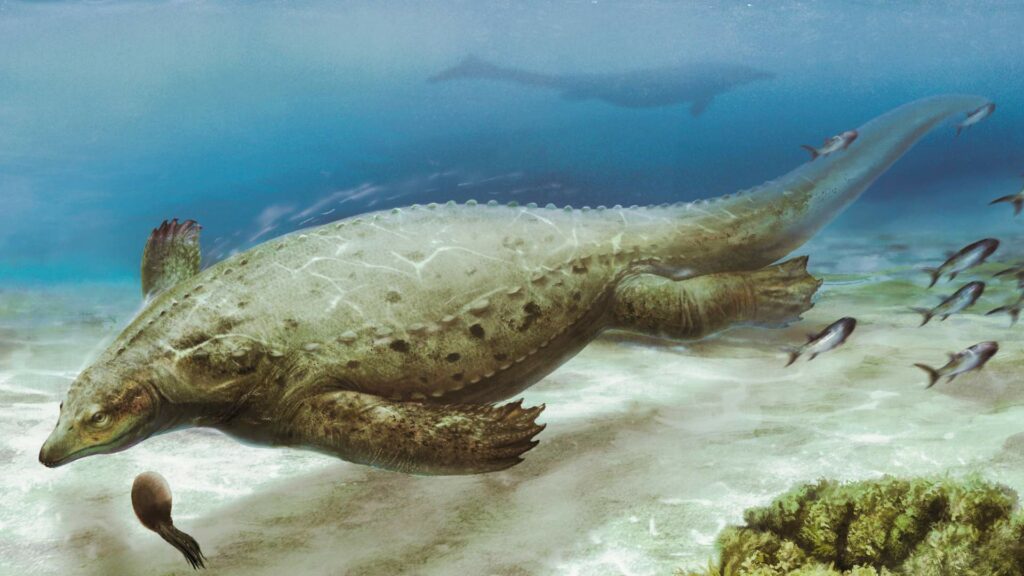
The newly discovered species, Prosaurosphargis yingzishanensis, grew to around 5 feet long and was covered in bony scales called osteoderms.