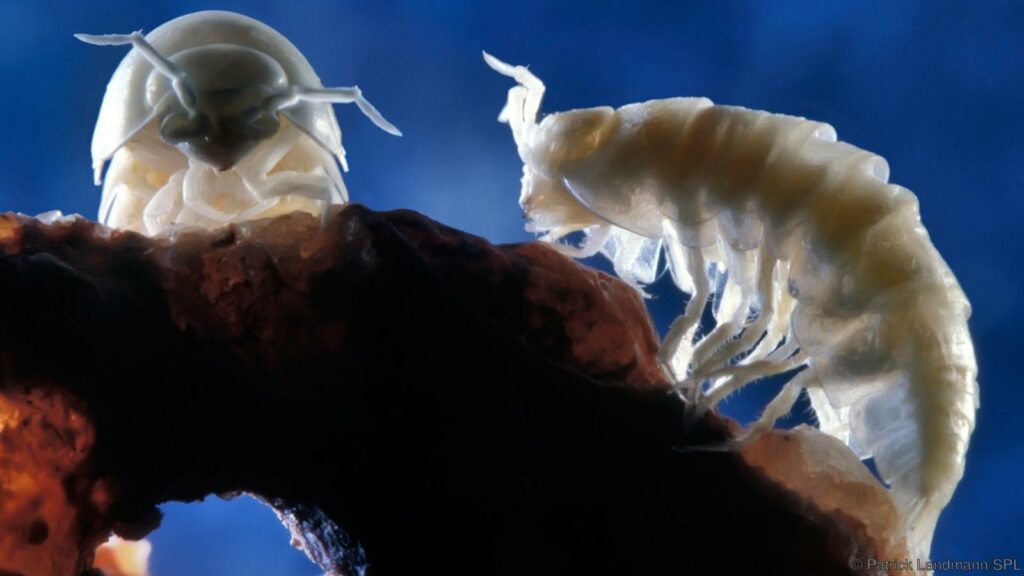
33 unknown creatures found in the Movile Cave, Romania: A 5.5-million-year-old time capsule!
The researchers were totally shocked when they discovered 48 different species still living in the cave that was isolated for millions of years.

Discover here all about the breakthrough inventions and discoveries, evolution, psychology, weird science experiments, and the cutting edge theories on everything.
The researchers were totally shocked when they discovered 48 different species still living in the cave that was isolated for millions of years.

To this date, our modern science generally accepted that the “proboscis – a long, tongue-like mouthpiece used by today’s moths and butterflies” to reach the nectar inside floral tubes, actually…
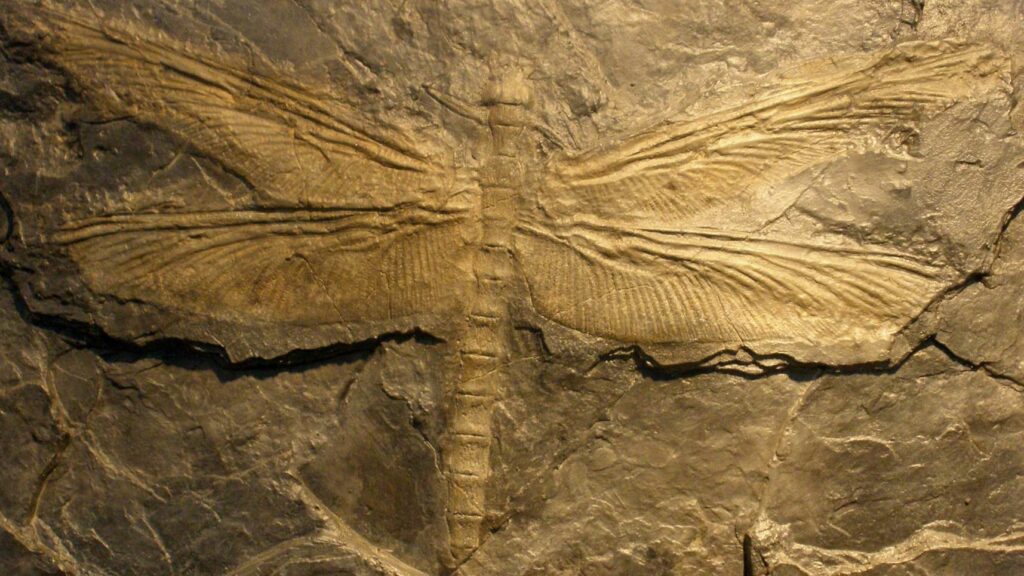
Meganeuropsis permiana is an extinct species of insect that lived during the Carboniferous period. It is known for being the largest flying insect that ever existed.
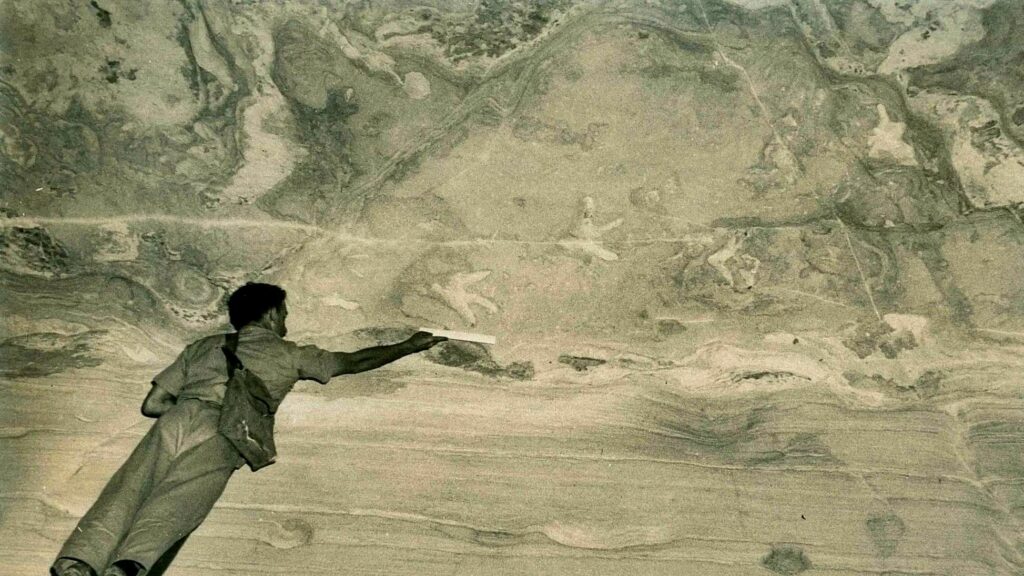
Did dinosaurs, walking on all fours, use their hands to walk across a cave’s ceiling? Scientists have been puzzled by these odd fossils for decades.
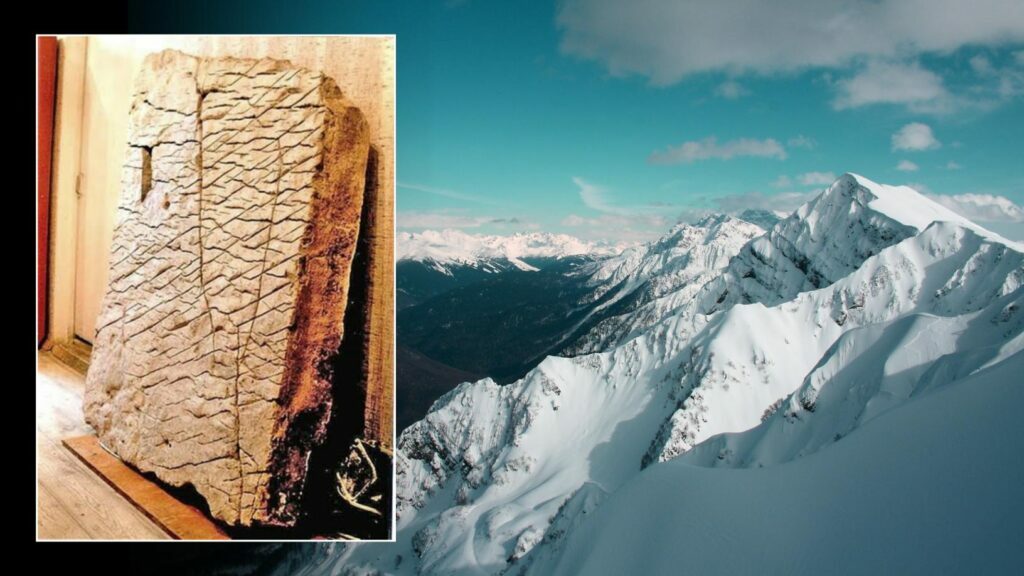
When it comes to unexplained mysteries, very few seem to be as incredible and irrefutable as the Ural Relief Map. In 1995, Aleksander Chuvyrov, Professor of Mathematical and Physical Science…
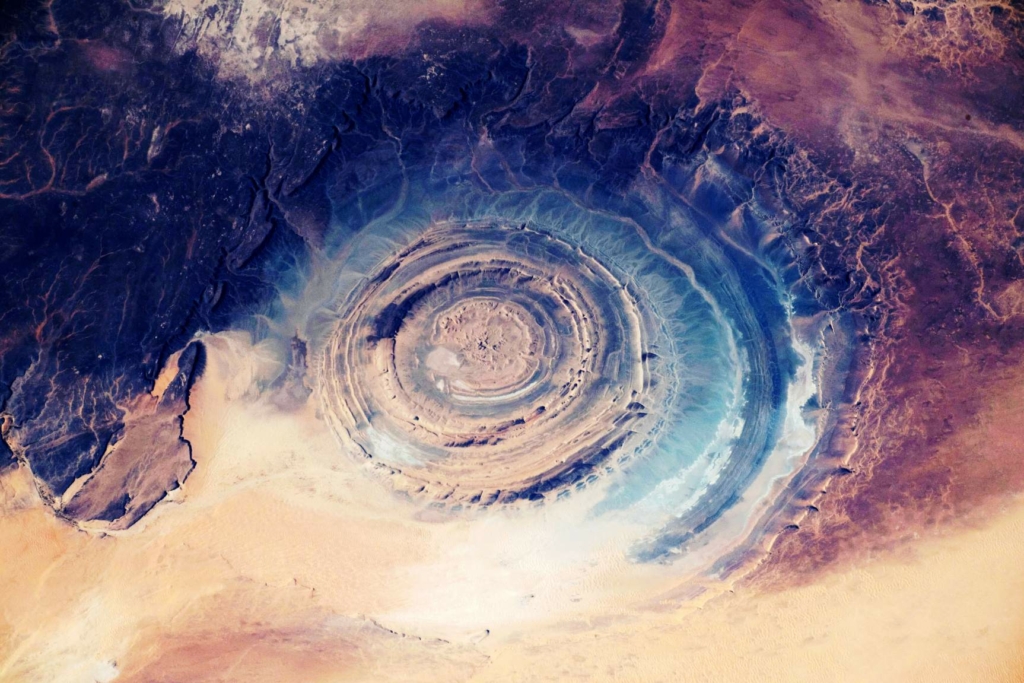
The famed lost city of Atlantis may have been found in a rather unlikely place — the Sahara Desert.

In October 2005, surgeons operating on a 42-year-old Canadian man at Vancouver’s St. Paul’s Hospital got a shock when they discovered dark-green blood coursing through his arteries, like Star Trek’s…

Ground-penetrating radar has revealed the outline of a Viking ship in a mound in southwest Norway that was once thought to be empty.

Modern science credits the atomic theory to an English chemist and physicist named John Dalton (1766-1844). However, not many people are aware that a theory of atoms was formulated approximately 2500 years before Dalton by an Indian sage and philosopher named Acharya Kanada.
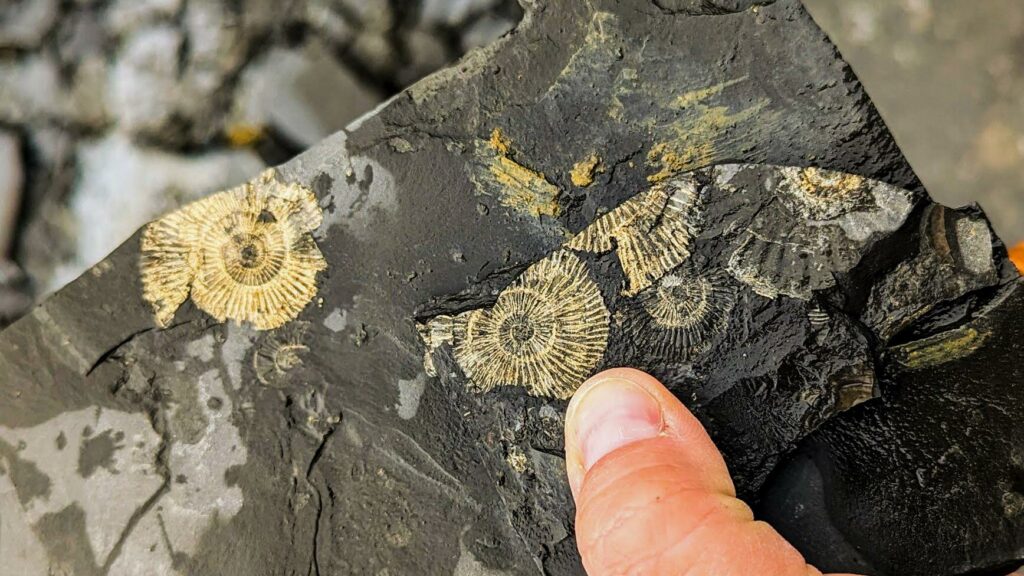
A recent study found that many of the fossils from Germany's Posidonia shale do not get their gleam from pyrite, commonly known as fool's gold, which was long thought to be the source of the shine. Instead, the golden hue is from a mix of minerals that hints at the conditions in which the fossils formed.