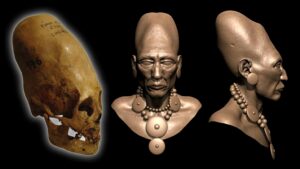
Sa-Nakht, the mysterious giant pharaoh of Ancient Egypt
Sa-Nakht is a pharaoh, but not an ordinary pharaoh that we think of when we hear about ancient Egypt. Sa-Nakht is distinguished as the first pharaoh of Egypt’s Third Dynasty. However,…

Sa-Nakht is a pharaoh, but not an ordinary pharaoh that we think of when we hear about ancient Egypt. Sa-Nakht is distinguished as the first pharaoh of Egypt’s Third Dynasty. However,…
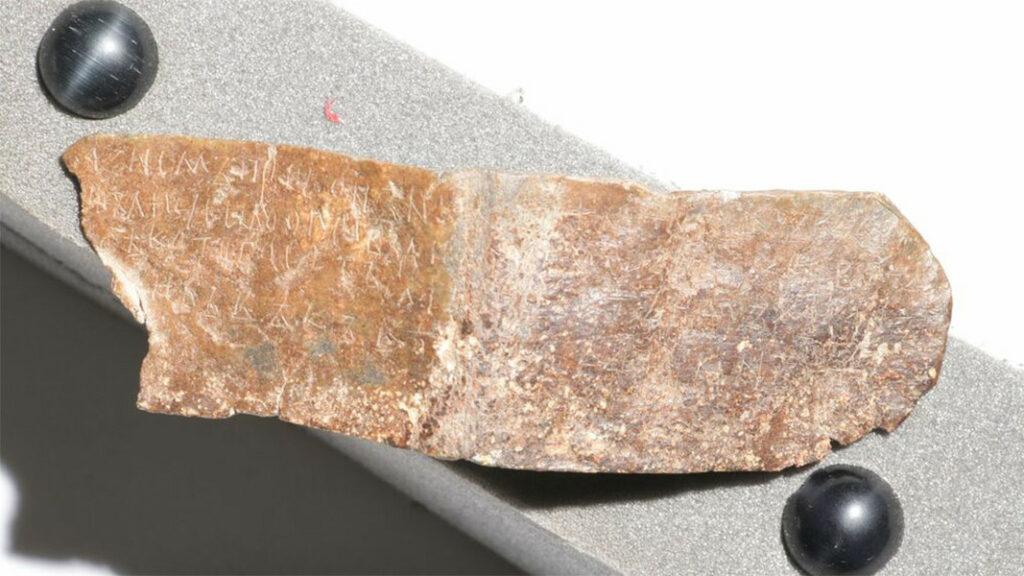
Researchers claim an inscription on a 1,100-year-old breastplate discovered in a ruined fortress in Bulgaria is one of the earliest known examples of Cyrillic text.
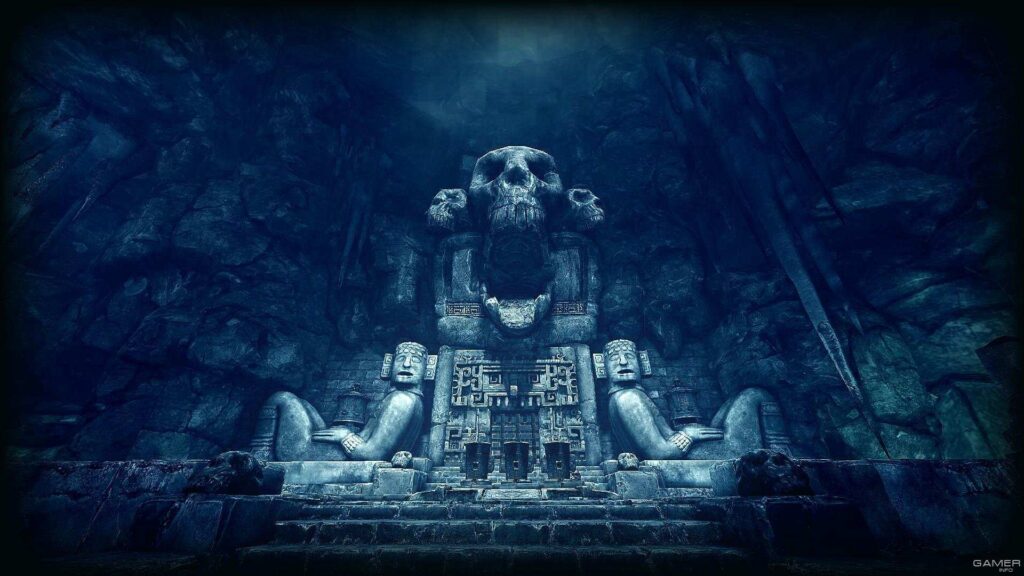
The Mayan underworld known as the Xibalba is similar to the Christian hell. The Mayans believed that every man and woman who died traveled to Xibalba.

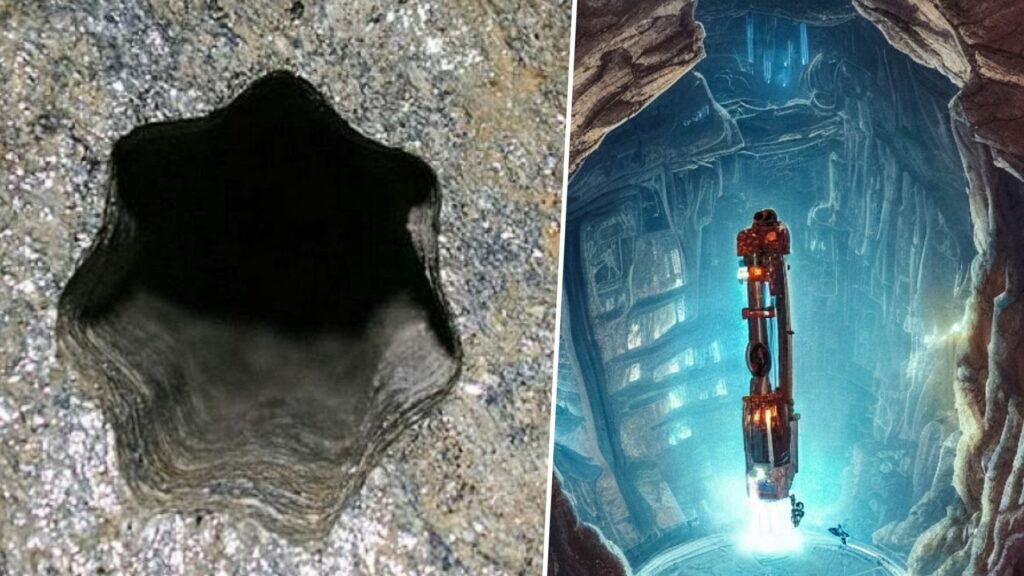
Although areas like Puma Punku and the Giza basalt plateau have precise holes drilled several feet into the extremely hard stones, these particular holes were strangely produced in the shape of stars.

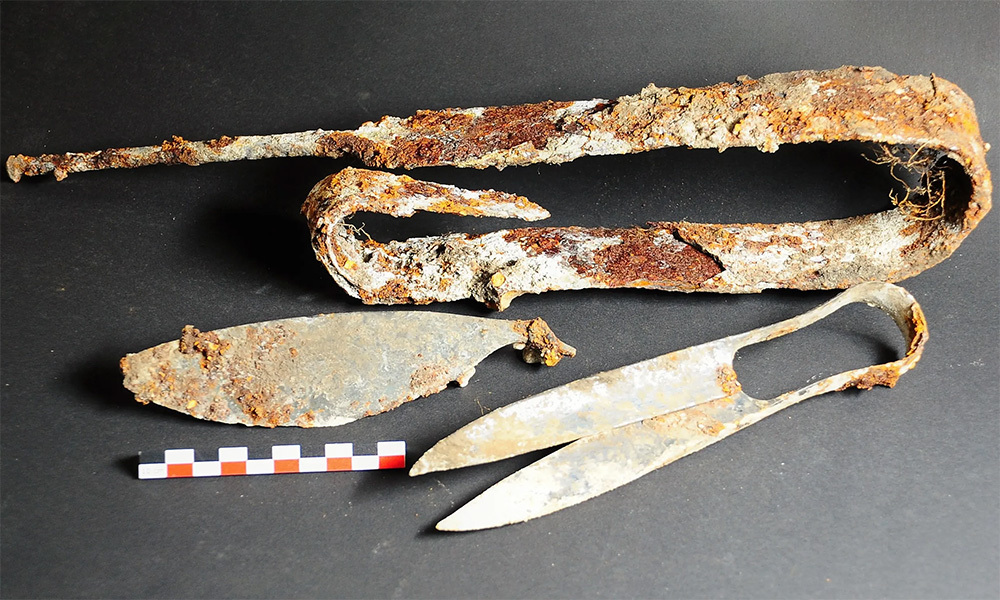
Archaeologists discovered a folded sword, scissors, and other relics at a Celtic cremation burial in Germany.

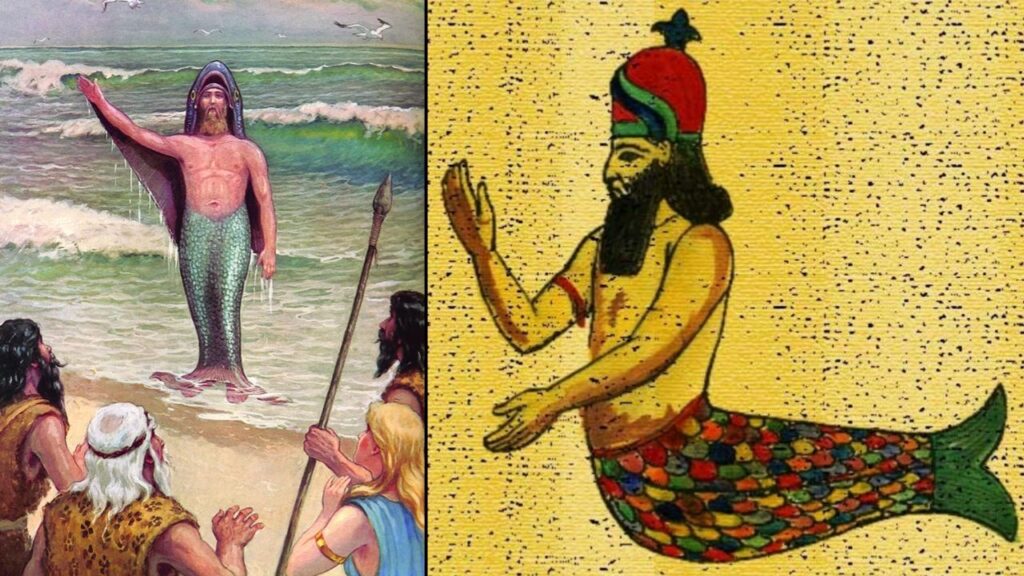
Among the stories of giant airships that are part of Sumerian culture, none compare to the Epic of Gilgamesh, son of the "gods", or god-amphibian legend of Oannes.

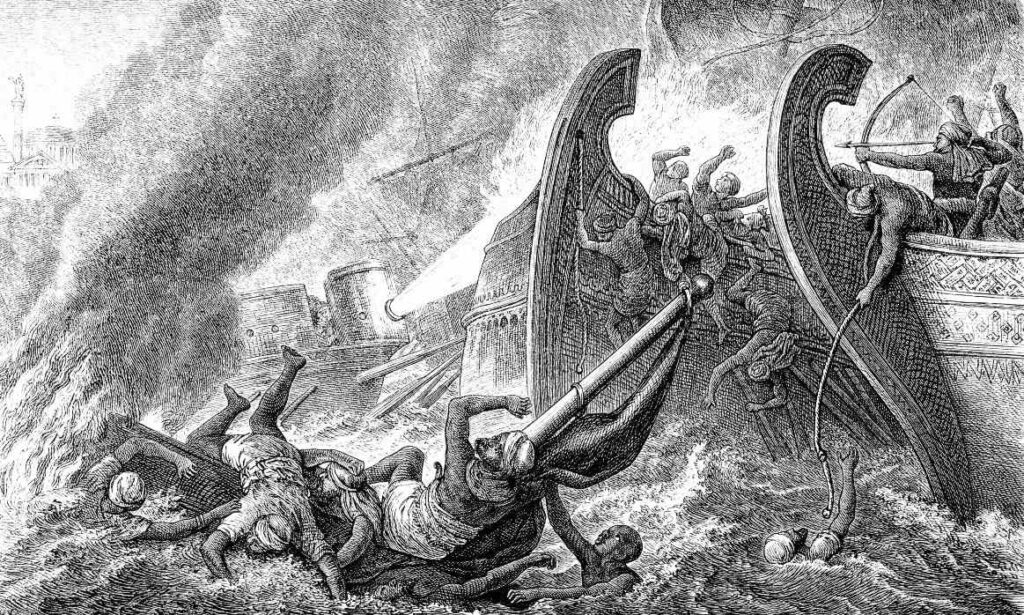
It was said that the mysterious liquid is impossible to extinguish once it started to burn; and coming into contact with water caused the flames to burn even more ferociously.

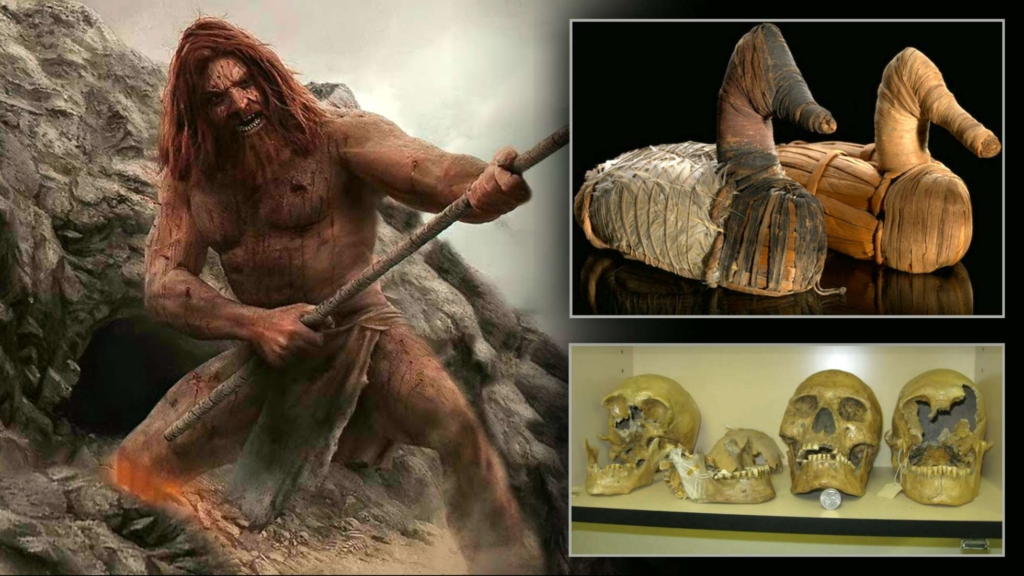
These "giants" have been described as vicious, unfriendly, and cannibalistic. Despite their modest numbers, the Si-Te-Cah constituted a grave threat to the Paiutes, who were just beginning to establish themselves in the area.

According to conventional archaeology, writing wasn't invented until 3,000 to 4,000 BC in Sumeria. However, a 7,000-year-old tablet found in Greece over a decade ago challenges this position.

In 1953, a parcel of land located close to the Borgund church on the west coast of Norway was going to be cleared, and a lot of debris ended up…