Recent skeletal DNA analysis proves German, Danish & Dutch origins of the English people
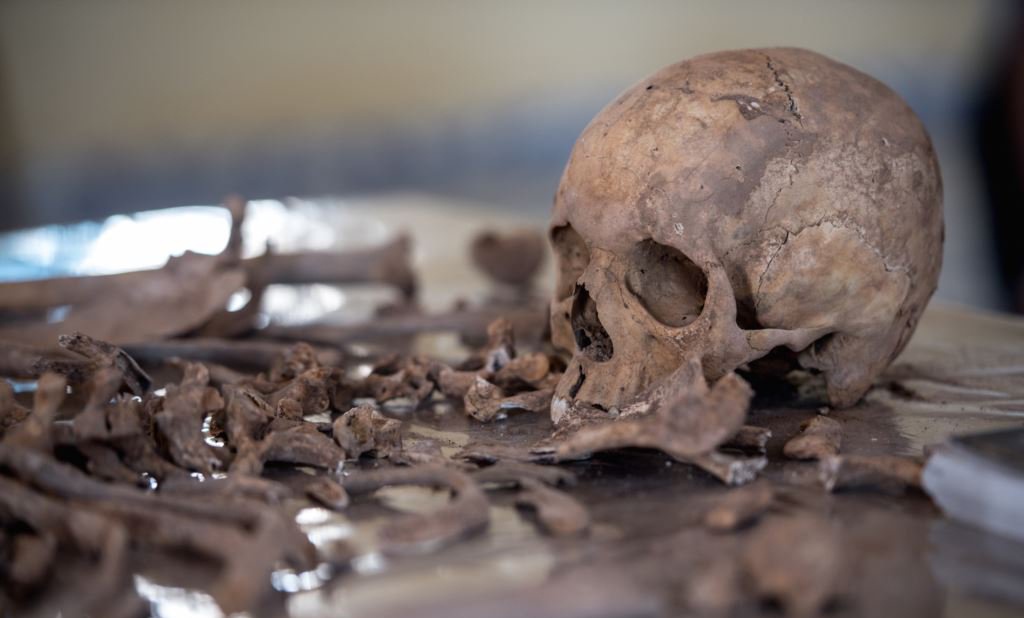
New skeletal DNA analysis proves that who first called themselves English had origins in Germany, Denmark, and the Netherlands.

New skeletal DNA analysis proves that who first called themselves English had origins in Germany, Denmark, and the Netherlands.
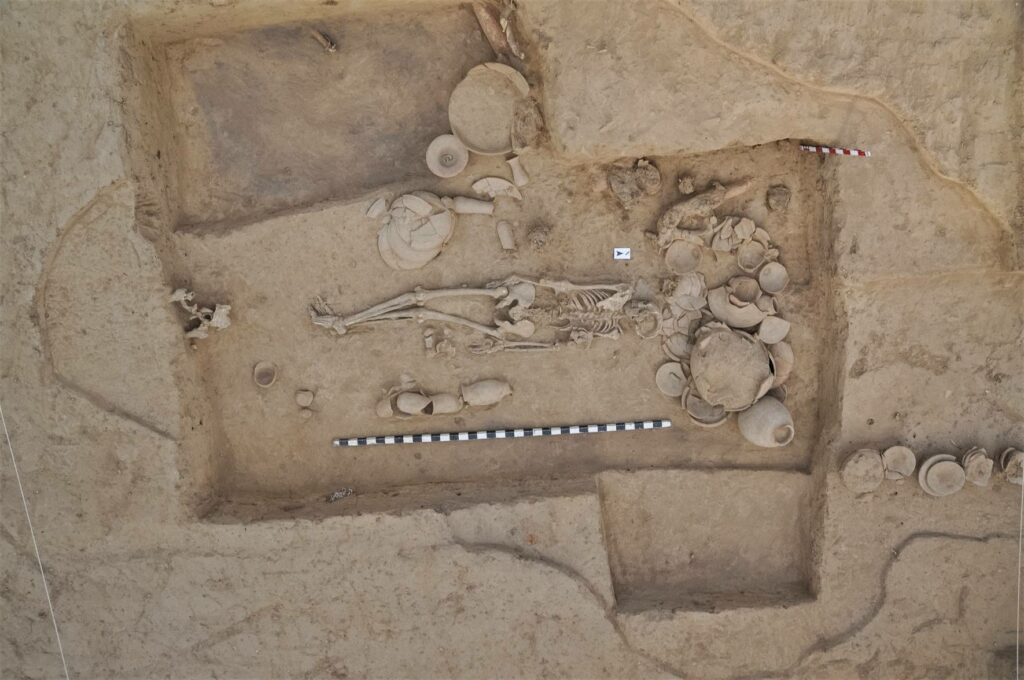
DNA from ancient burial unlocks the mystery of 5,000-year-old lost culture of ancient India.
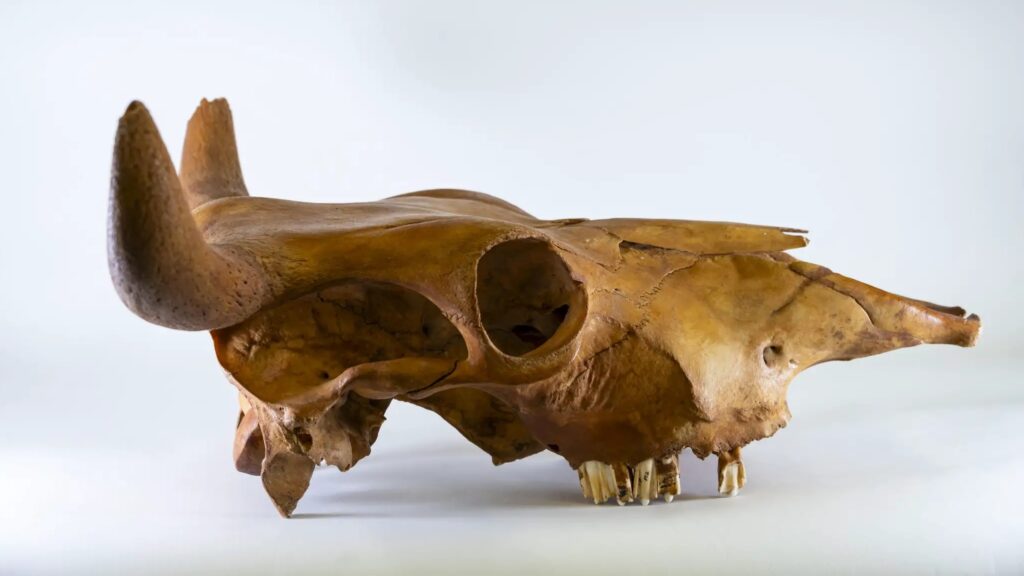
DNA evidence from Spanish settlements indicates that cattle were imported from Africa early in colonization.
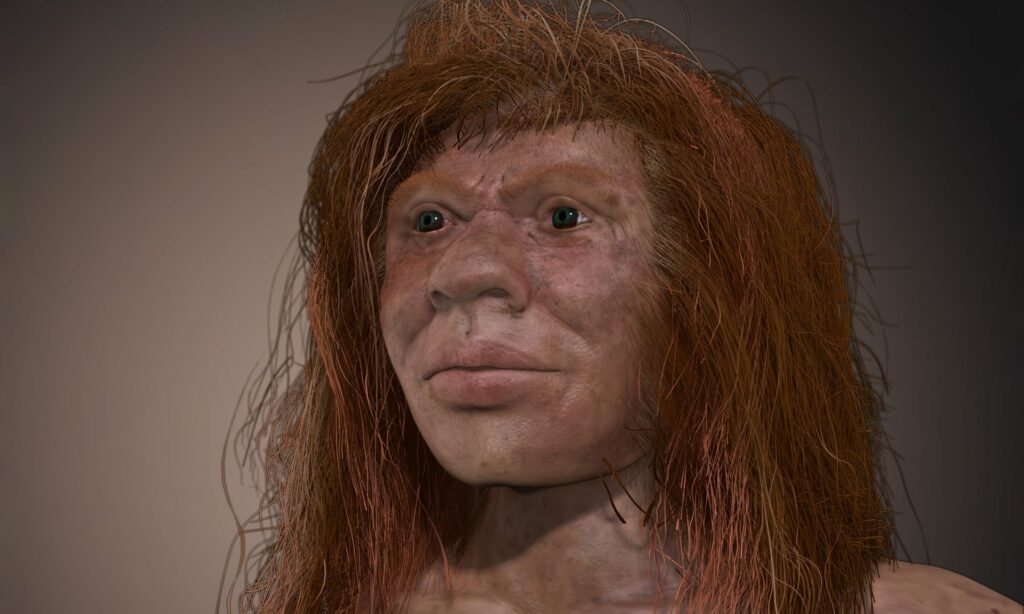
Meet Denny, the first known human hybrid, a 13-year-old girl born to a Neanderthal mother and a Denisovan father.
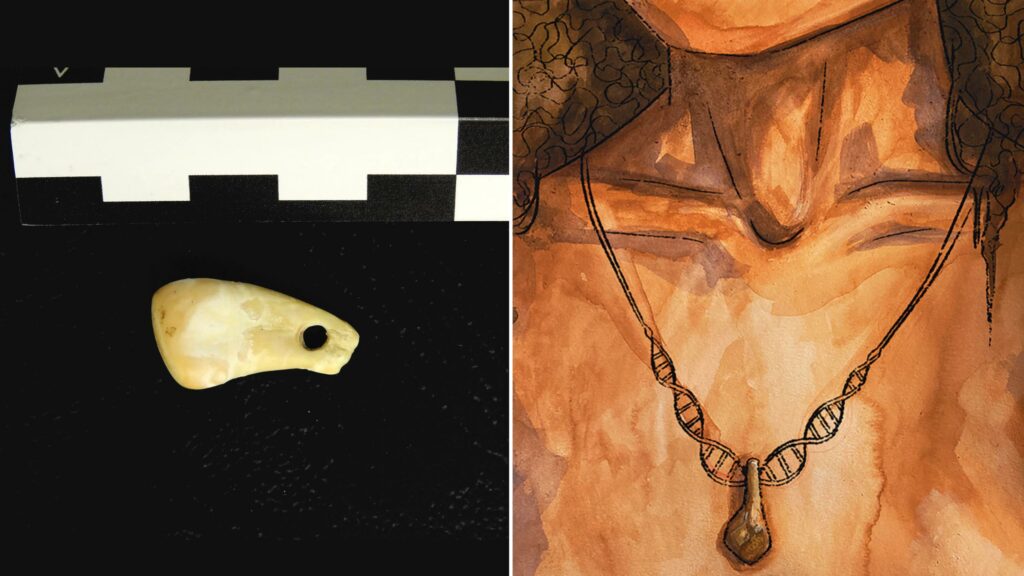
A breakthrough study has managed to obtain human DNA from a Stone Age object for the first time. Using a necklace that is 20,000 years old, researchers have been able to identify to whom it belonged.
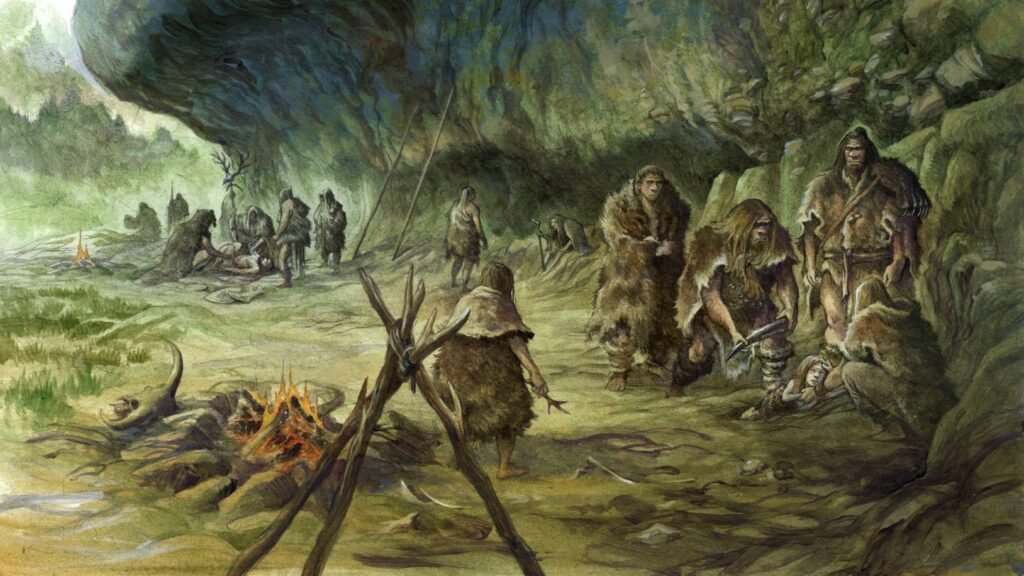
The remains of a Neanderthal child, known as La Ferrassie 8, were discovered in southwestern France; the well-preserved bones were found in their anatomical position, suggesting a deliberate burial.
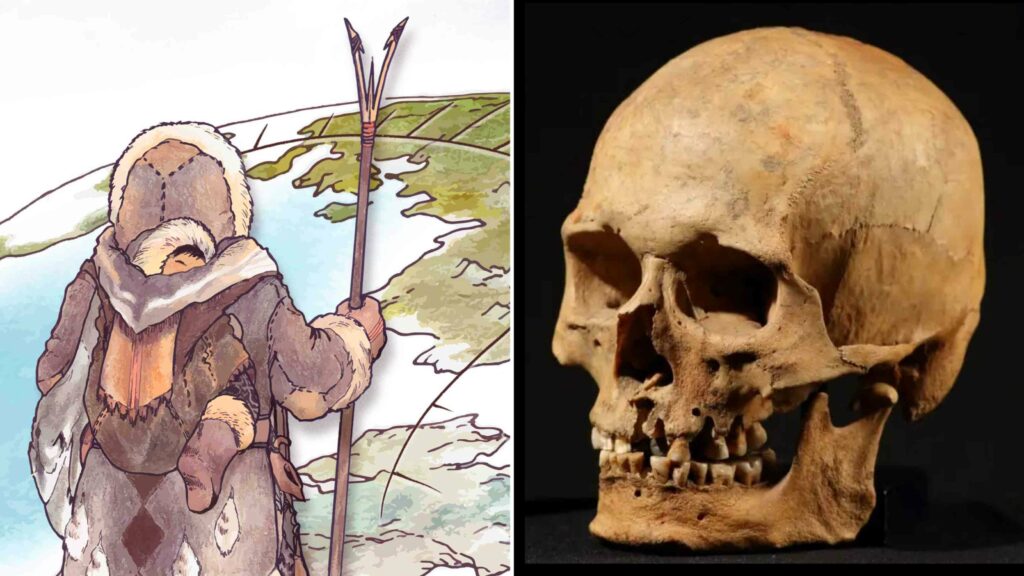
Researchers describe genomes from ten individuals up to 7,500 years old that help to show gene flow from people moving in the opposite direction from North America to North Asia.
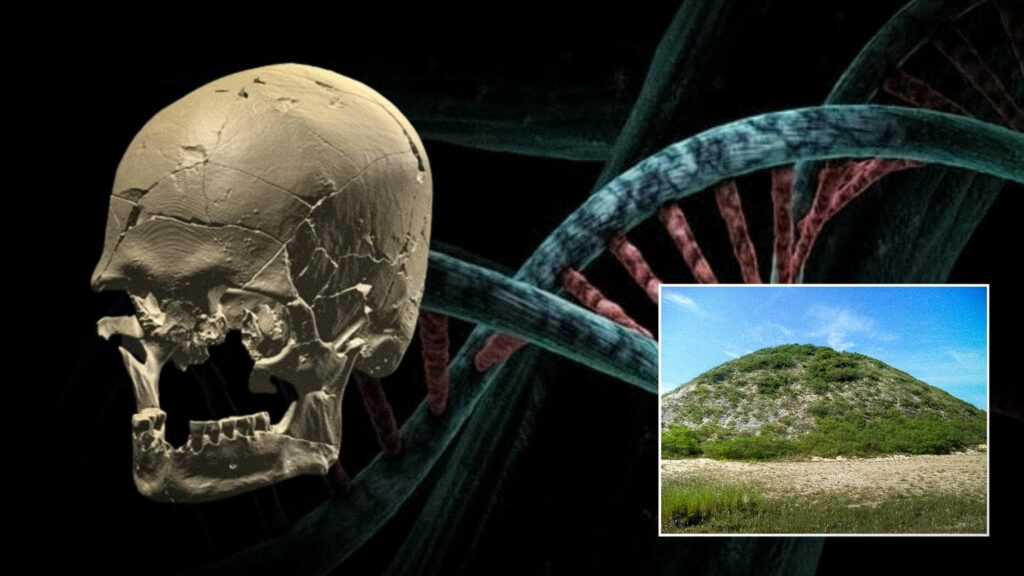
In pre-colonial South America, sambaqui builders ruled the coast for thousands of years. Their fate remained mysterious – until an ancient skull unlocked the new DNA evidence.
The so-called 97 percent of non-coding sequences in human DNA are nothing less than the genetic blueprint of alien life forms.
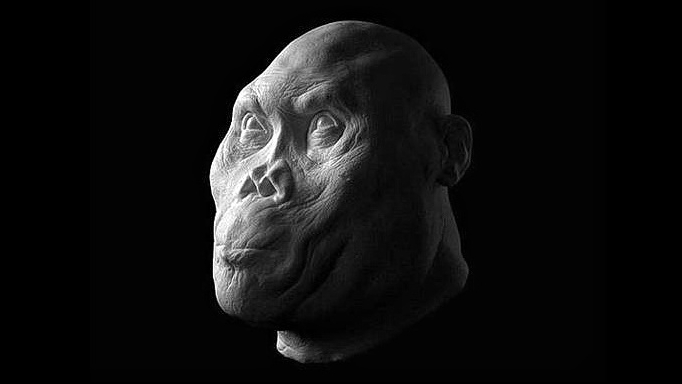
In a groundbreaking project, a team of experts has meticulously reconstructed several model heads, using bone pieces, teeth, and skulls discovered around the world over the past century.