‘Truly gigantic’ Jurassic sea monster remains discovered by chance in museum
The creature is believed to be a type of pliosaur — fearsome predators that had huge skulls, giant teeth and a bite force more powerful than that of a Tyrannosaurus Rex.

The creature is believed to be a type of pliosaur — fearsome predators that had huge skulls, giant teeth and a bite force more powerful than that of a Tyrannosaurus Rex.
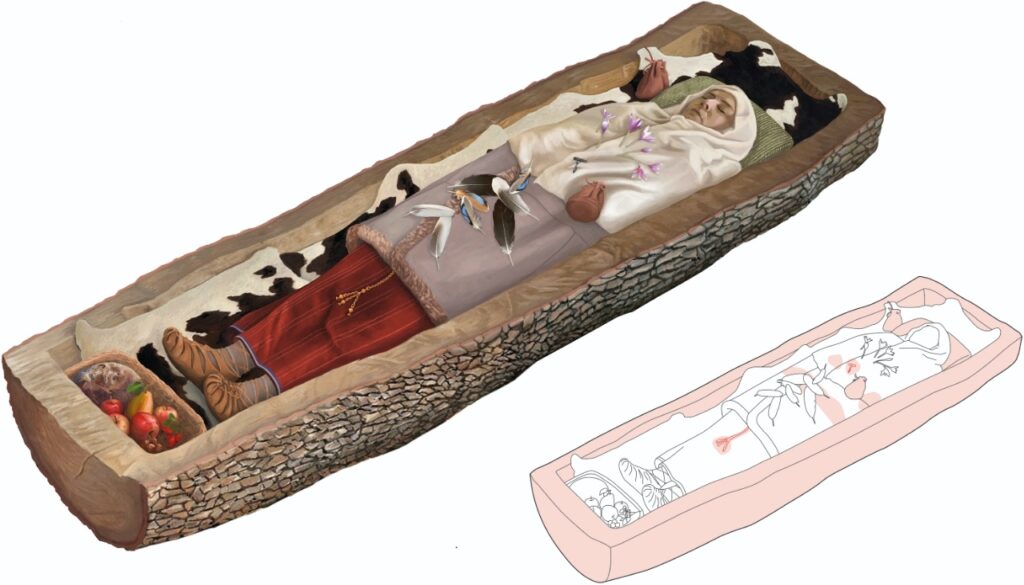
Archaeologists believe she did minimal physical labor throughout her lifetime and ate a rich diet.
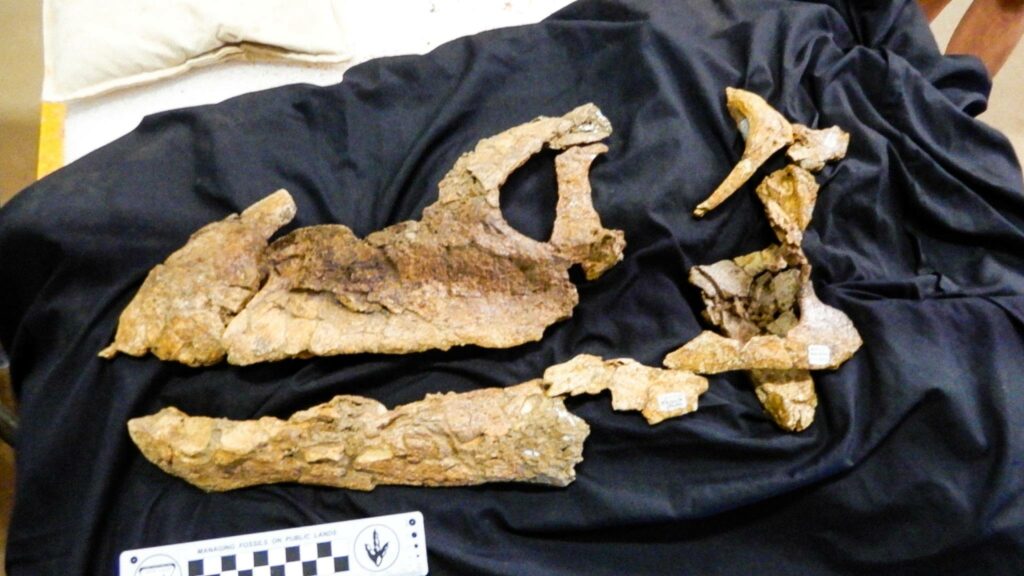
Fossil from fourth-ever discovered specimen of a titanosaur may reinforce theory that dinosaurs traveled between South America and Australia.
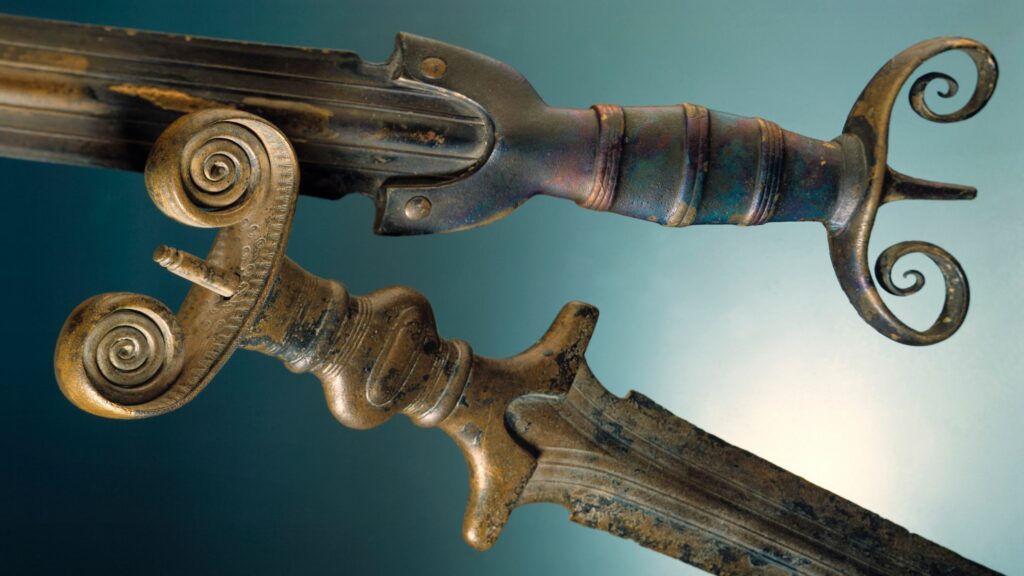
Archaeologists had long been puzzled by iron tools dating thousands of years before iron smelting developed, but no, there was no precocious smelting, geochemists have concluded.
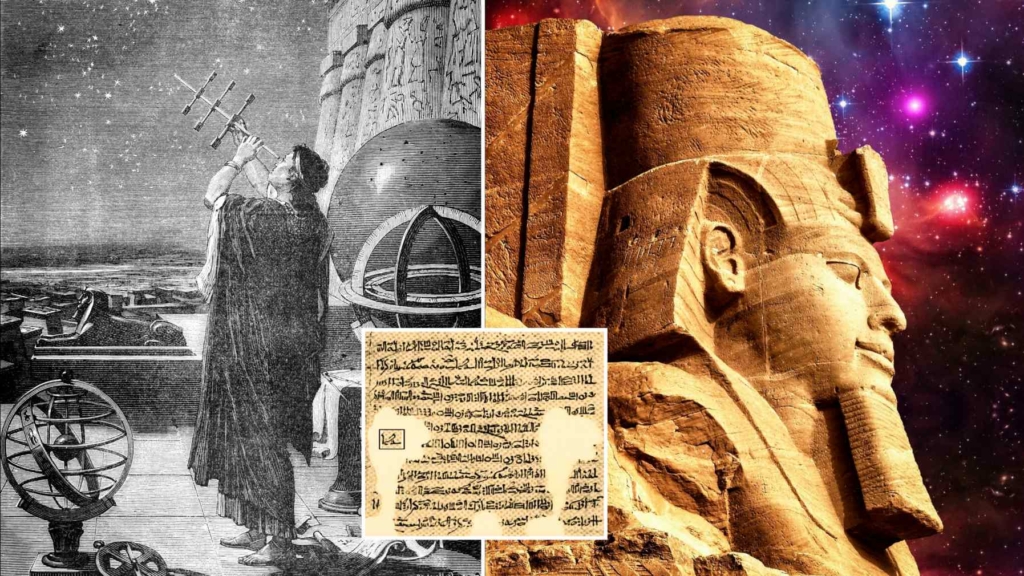
Colloquially known as the Demon Star, the star Algol was linked to the winking eye of Medusa by early astronomers. Algol is actually a 3-in-1 multiple stellar system. A stellar…
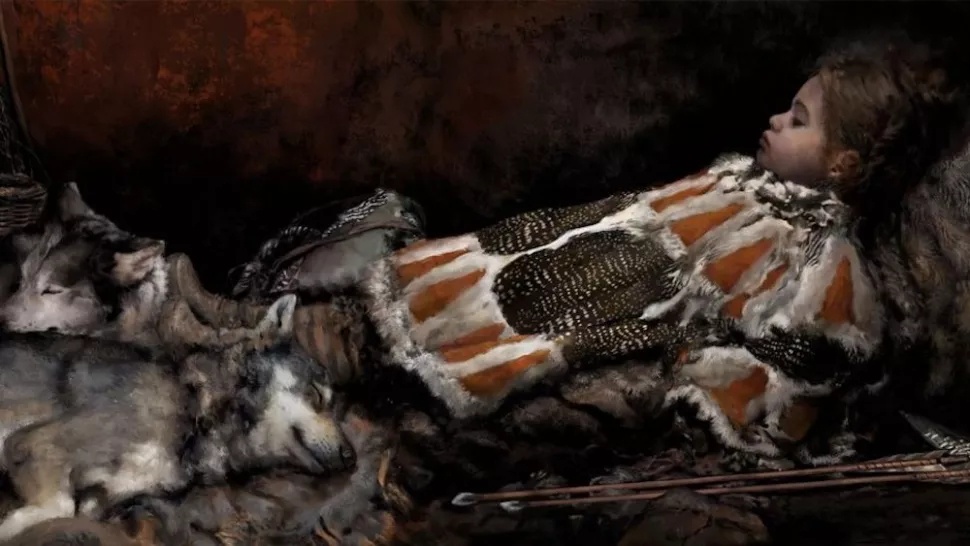
An archaeological excavation in Majoonsuo, Outokumpu, eastern Finland, yielded an astonishing find: a Stone Age child interred with feathers and fur. On a gravel road in a forest, the archaeological…
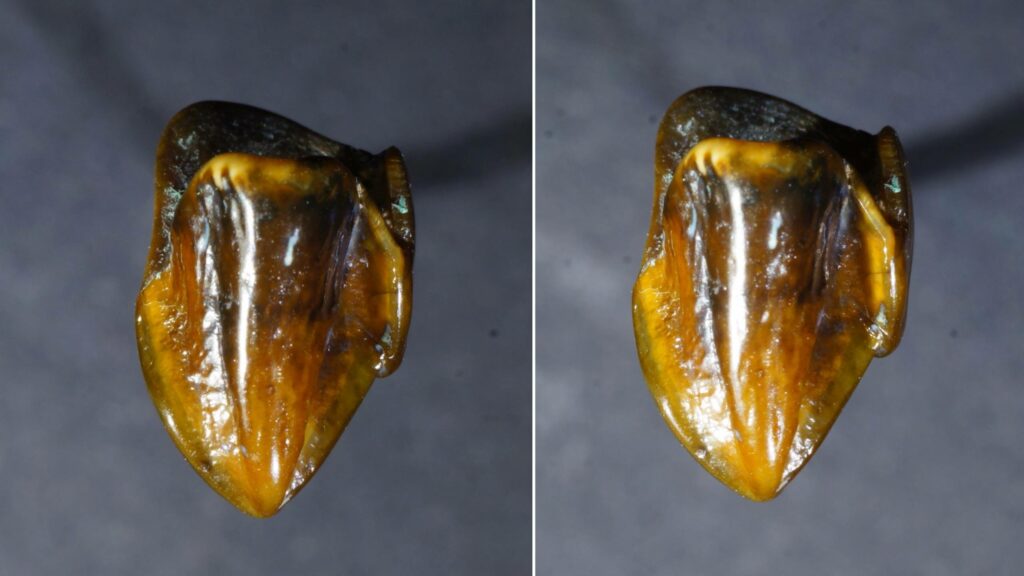
The discovery of a set of 9.7 million-year-old teeth is leading some experts to posit that Europe may have been the true birthplace of humankind, and not Africa as previously thought.
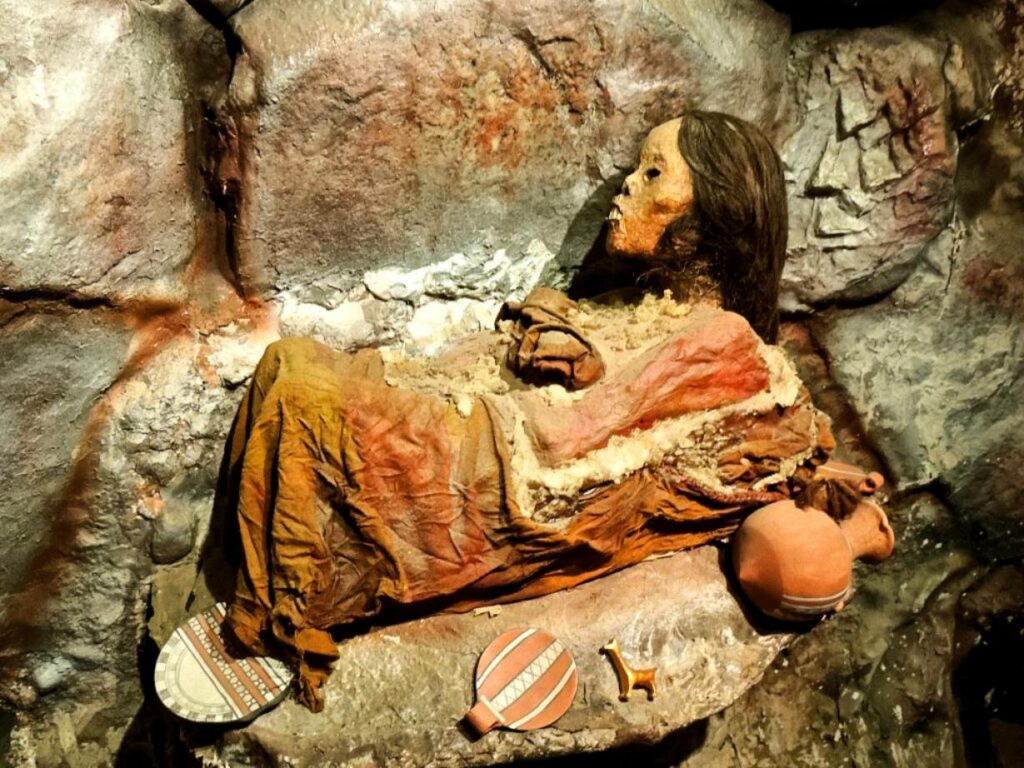
Mummy Juanita, also known as the Inca Ice Maiden, is a well-preserved mummy of a young girl who was sacrificed by the Inca people more than 500 years ago.
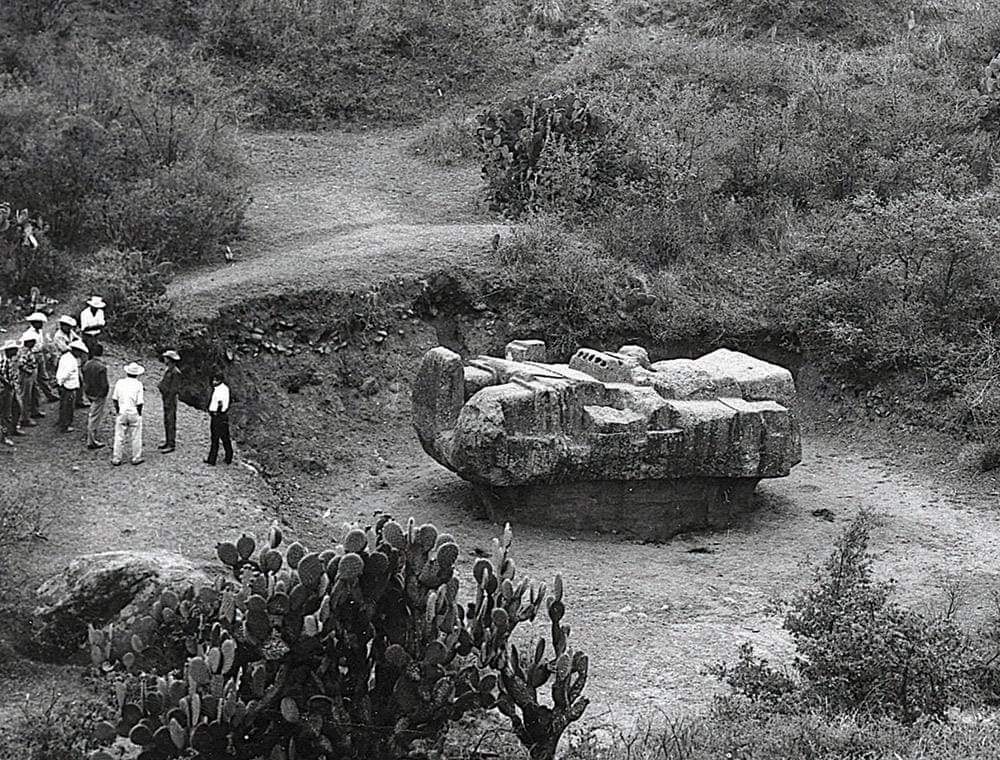
The discovery and history of the Monolith of Tlaloc are shrouded in a number of unanswered questions and enigmatic details.
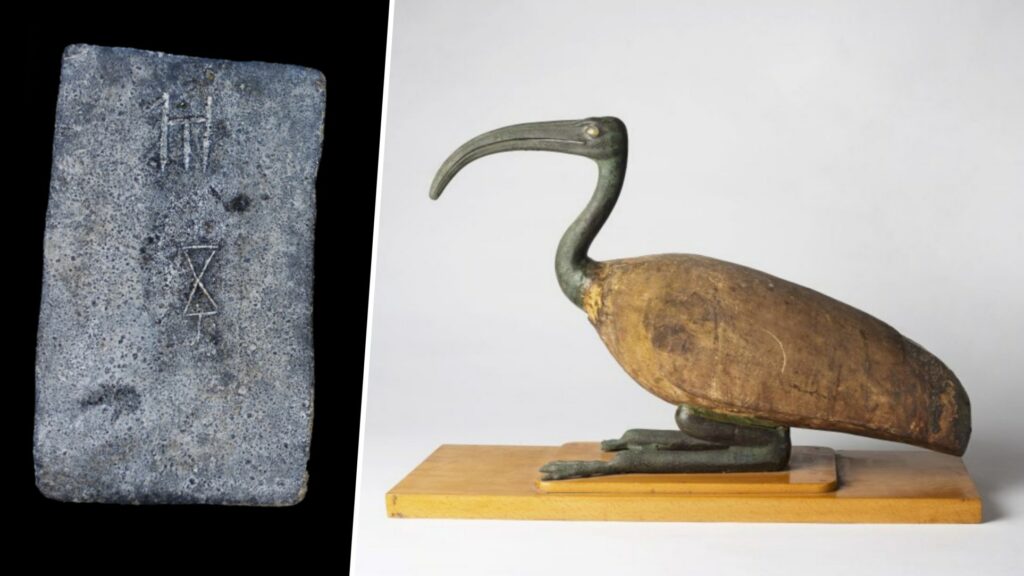
Enigma of origins of Bronze Age Levant's tin supply solved through isotope and chemical composition analysis that shows 13th–12th century BCE tin bars likely came from Cornwall