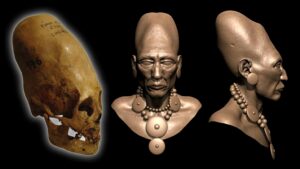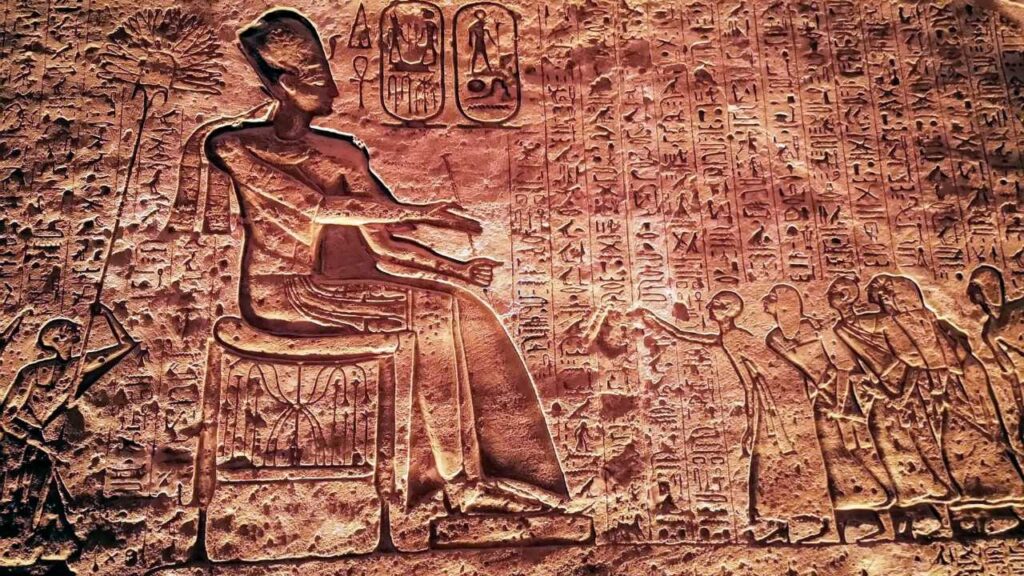
Sa-Nakht, the mysterious giant pharaoh of Ancient Egypt
Sa-Nakht is a pharaoh, but not an ordinary pharaoh that we think of when we hear about ancient Egypt. Sa-Nakht is distinguished as the first pharaoh of Egypt’s Third Dynasty. However,…

Sa-Nakht is a pharaoh, but not an ordinary pharaoh that we think of when we hear about ancient Egypt. Sa-Nakht is distinguished as the first pharaoh of Egypt’s Third Dynasty. However,…
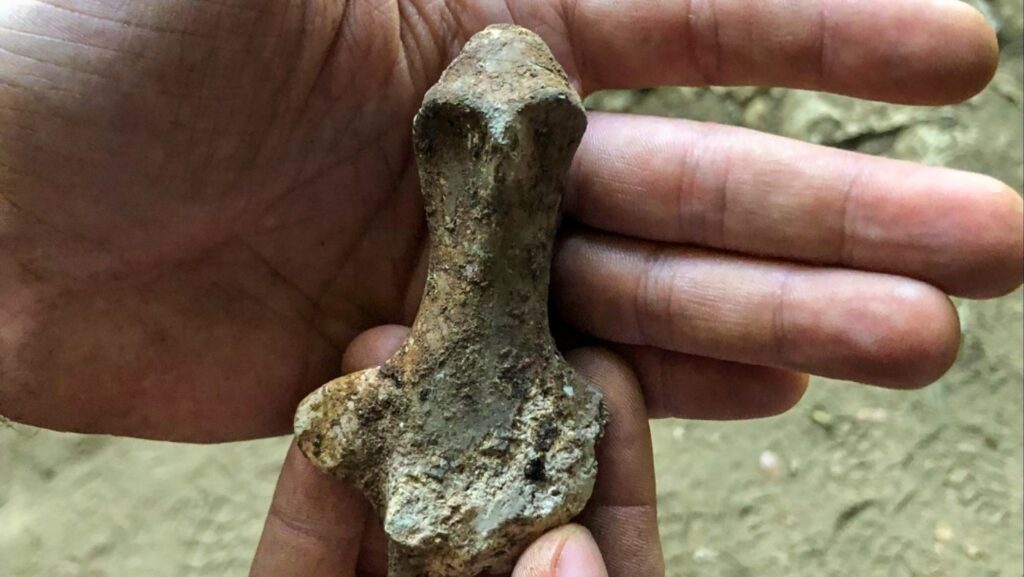
The figurine dates to the Neolithic period, when ancient people first started to develop farming communities in Italy.
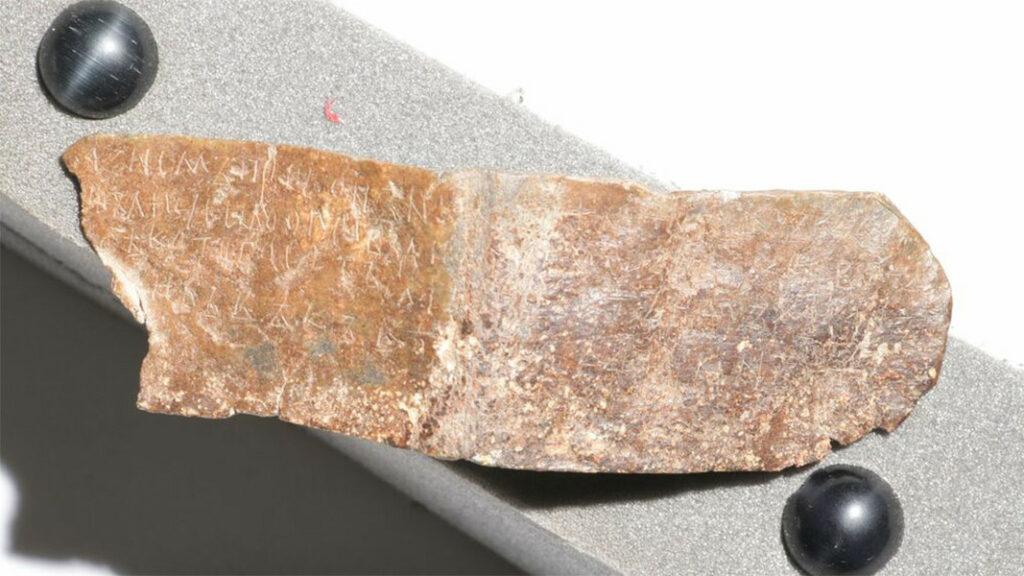
Researchers claim an inscription on a 1,100-year-old breastplate discovered in a ruined fortress in Bulgaria is one of the earliest known examples of Cyrillic text.
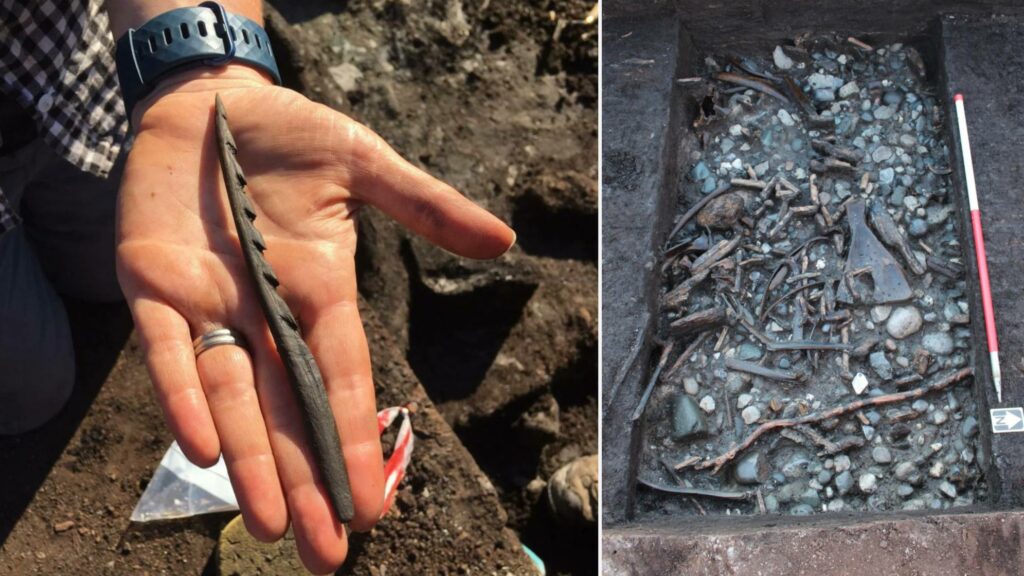
A team of archaeologists from the Universities of Chester and Manchester has made discoveries which shed new light on the communities who inhabited Britain after the end of the last Ice Age.
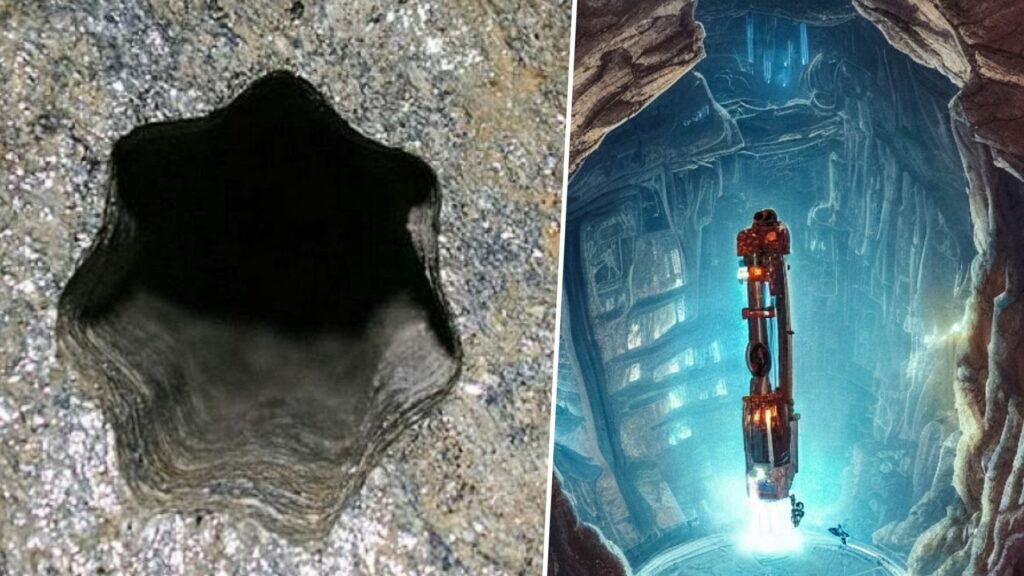
Although areas like Puma Punku and the Giza basalt plateau have precise holes drilled several feet into the extremely hard stones, these particular holes were strangely produced in the shape of stars.
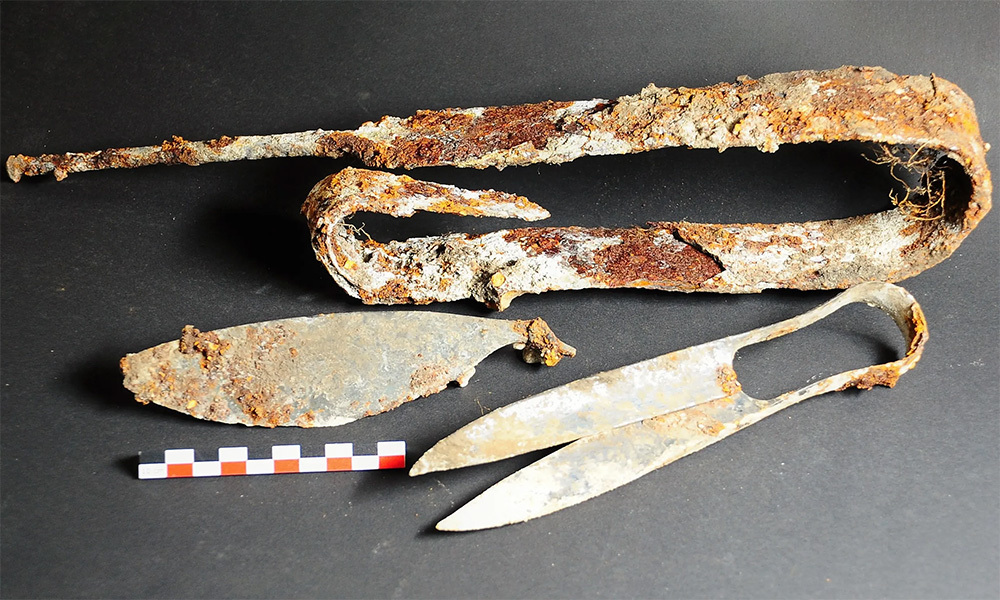
Archaeologists discovered a folded sword, scissors, and other relics at a Celtic cremation burial in Germany.
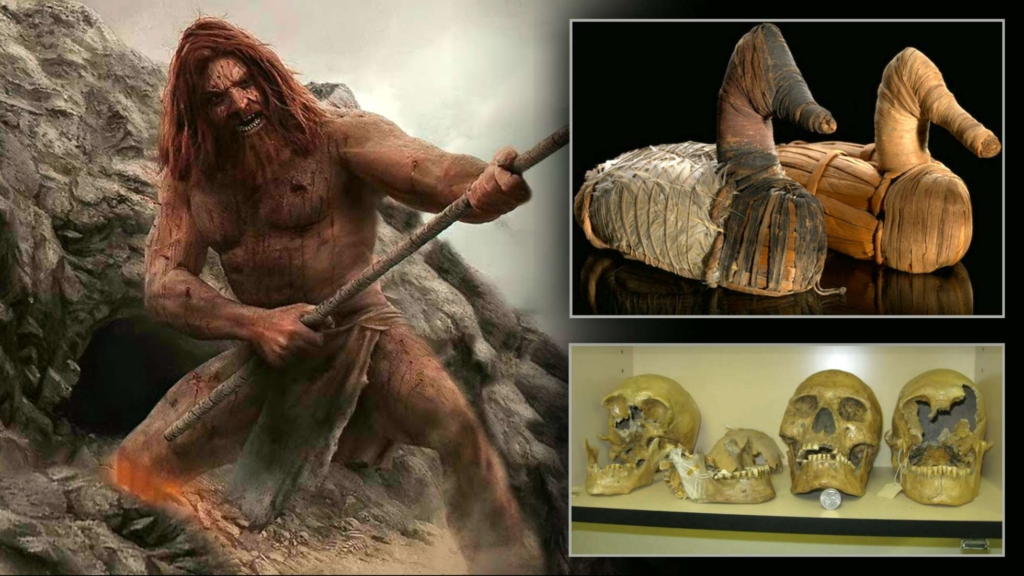
These "giants" have been described as vicious, unfriendly, and cannibalistic. Despite their modest numbers, the Si-Te-Cah constituted a grave threat to the Paiutes, who were just beginning to establish themselves in the area.
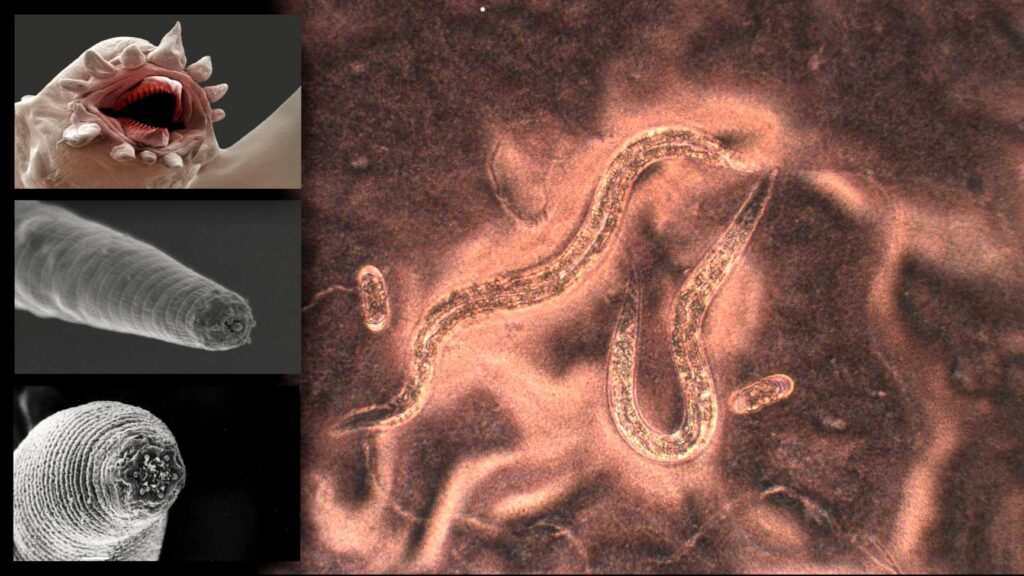
The creature withstood temperatures above 40ºC, the near absence of oxygen and high amounts of methane.
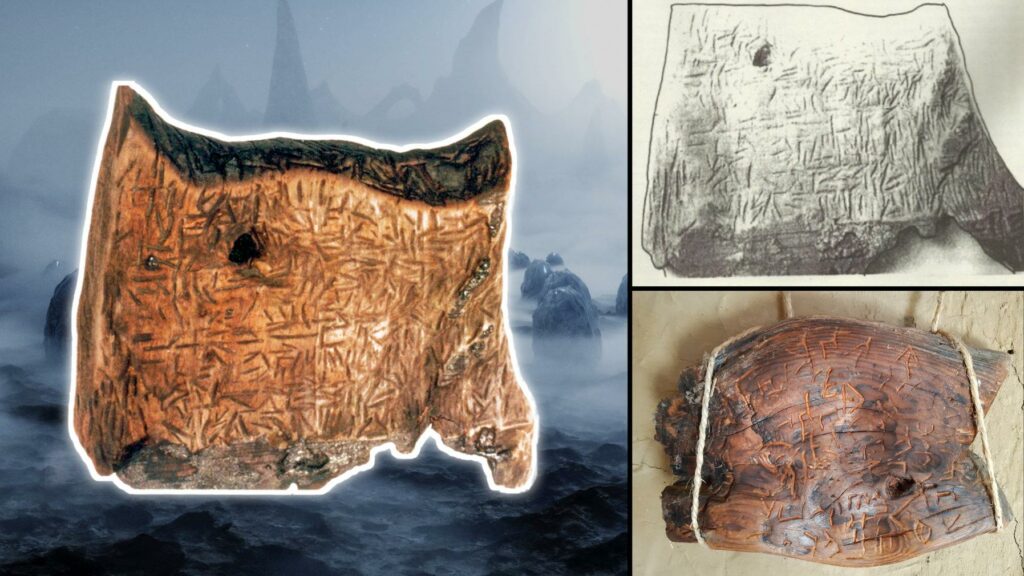
According to conventional archaeology, writing wasn't invented until 3,000 to 4,000 BC in Sumeria. However, a 7,000-year-old tablet found in Greece over a decade ago challenges this position.
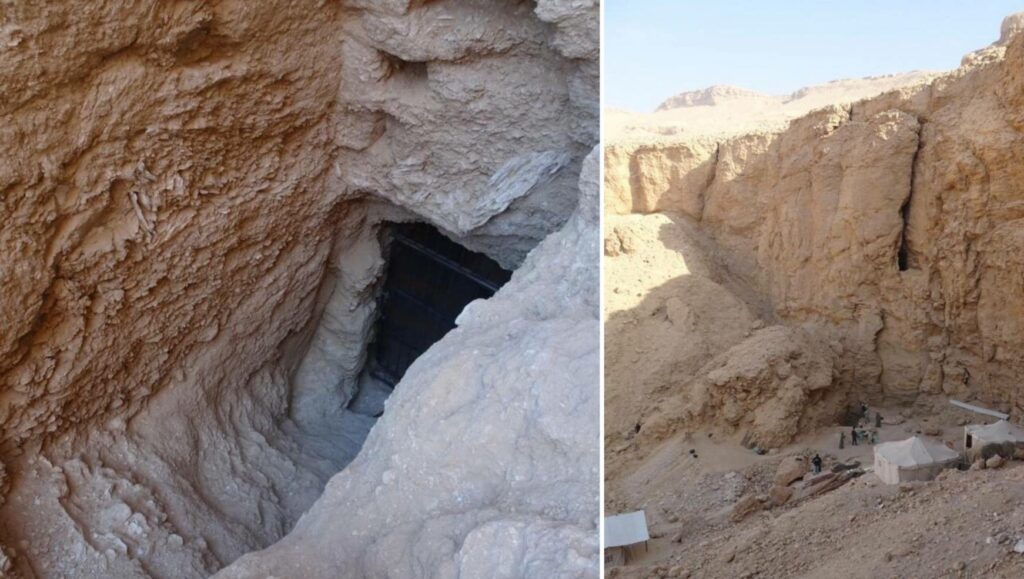
Investigators suspect that the tomb belongs to a royal wife or to a princess of the Tuthmose lineage.