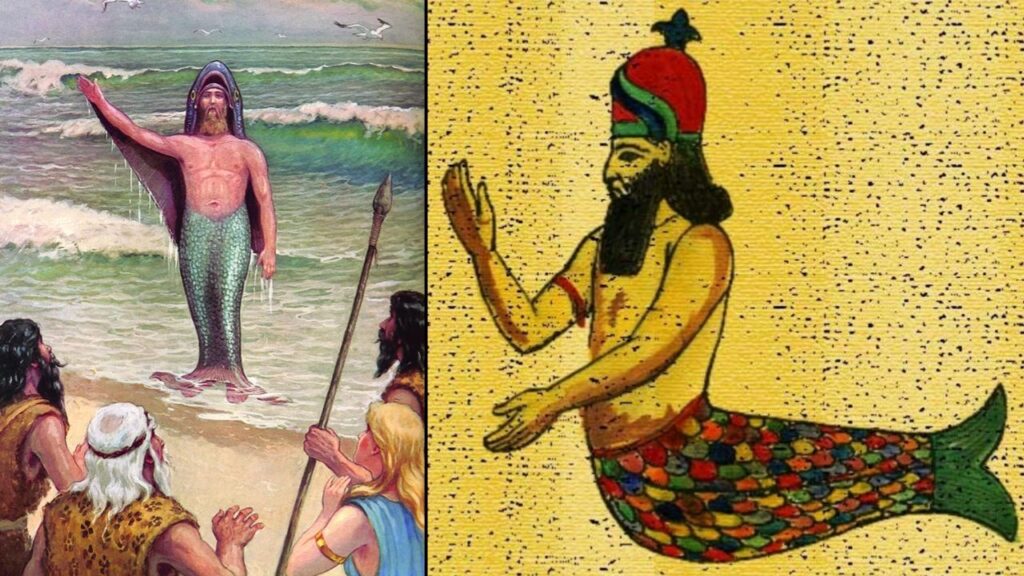
Oannes: The advanced amphibian beings in ancient Iraq??
Among the stories of giant airships that are part of Sumerian culture, none compare to the Epic of Gilgamesh, son of the "gods", or god-amphibian legend of Oannes.

Among the stories of giant airships that are part of Sumerian culture, none compare to the Epic of Gilgamesh, son of the "gods", or god-amphibian legend of Oannes.
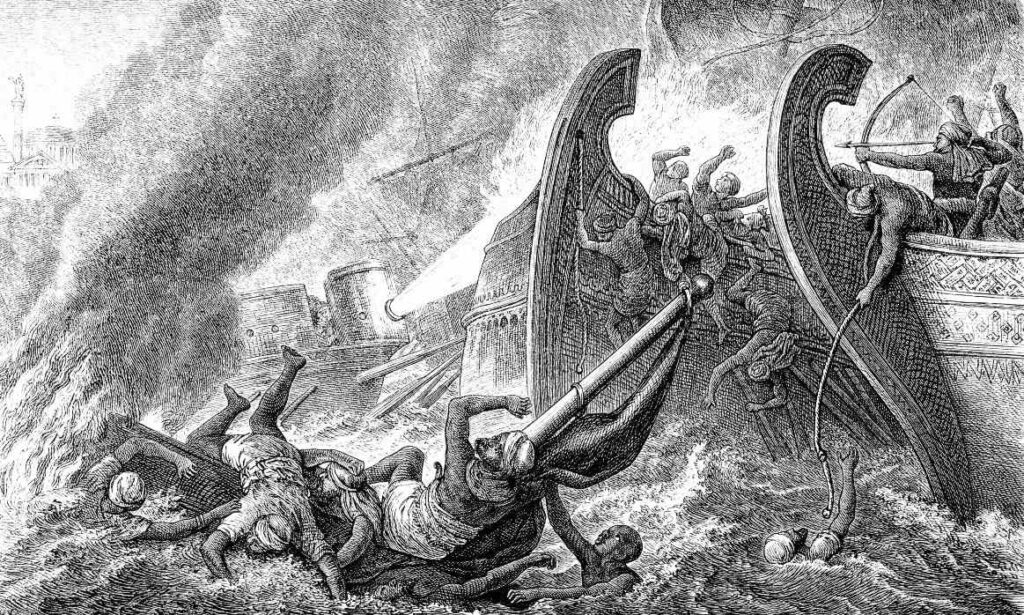
It was said that the mysterious liquid is impossible to extinguish once it started to burn; and coming into contact with water caused the flames to burn even more ferociously.
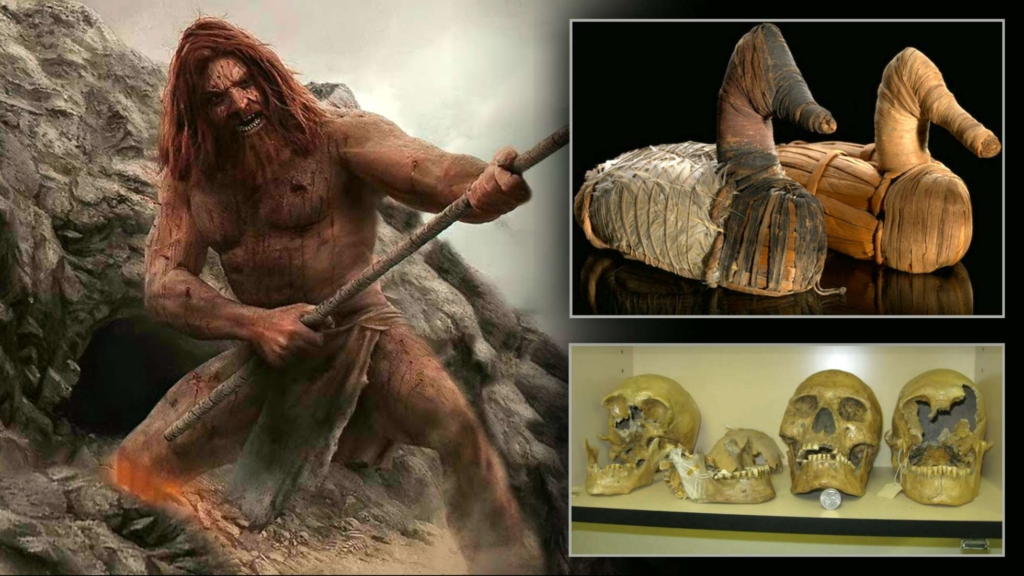
These "giants" have been described as vicious, unfriendly, and cannibalistic. Despite their modest numbers, the Si-Te-Cah constituted a grave threat to the Paiutes, who were just beginning to establish themselves in the area.
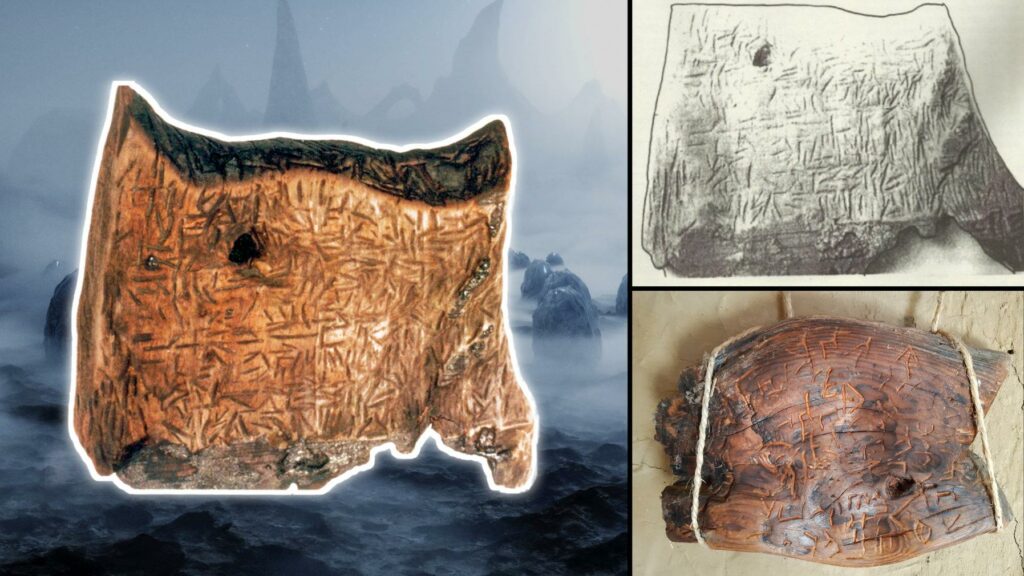
According to conventional archaeology, writing wasn't invented until 3,000 to 4,000 BC in Sumeria. However, a 7,000-year-old tablet found in Greece over a decade ago challenges this position.
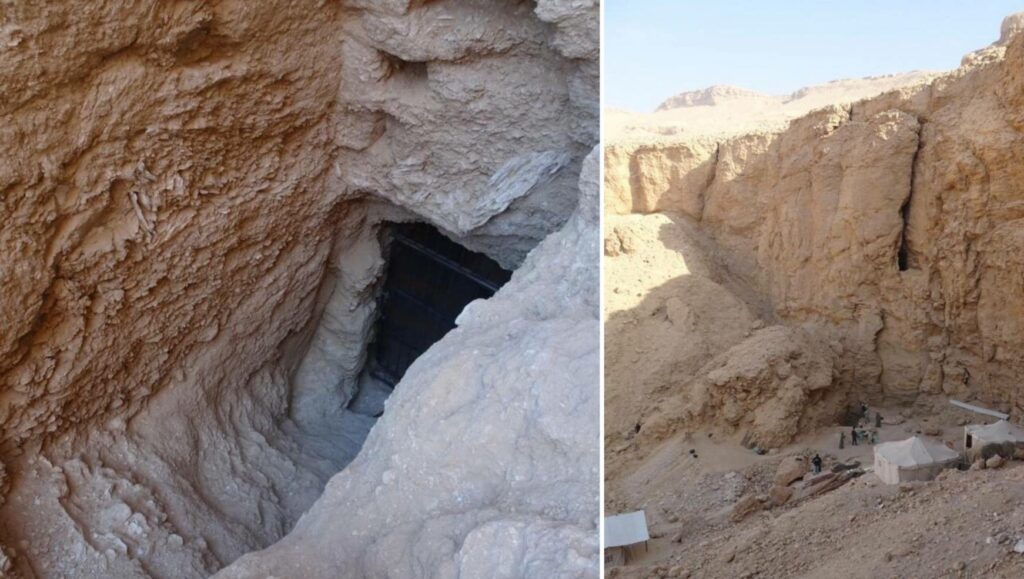
Investigators suspect that the tomb belongs to a royal wife or to a princess of the Tuthmose lineage.
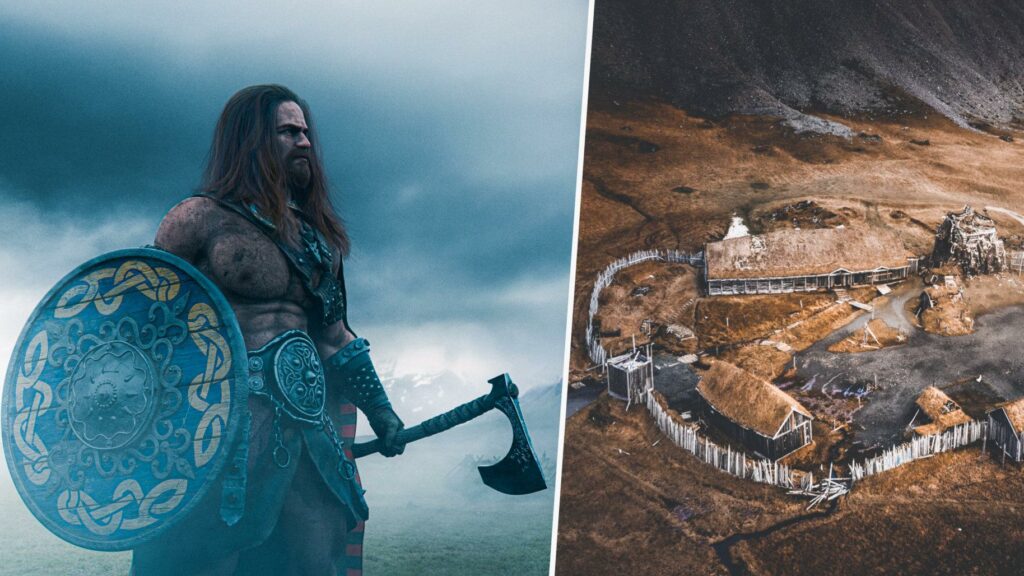
In 1953, a parcel of land located close to the Borgund church on the west coast of Norway was going to be cleared, and a lot of debris ended up…
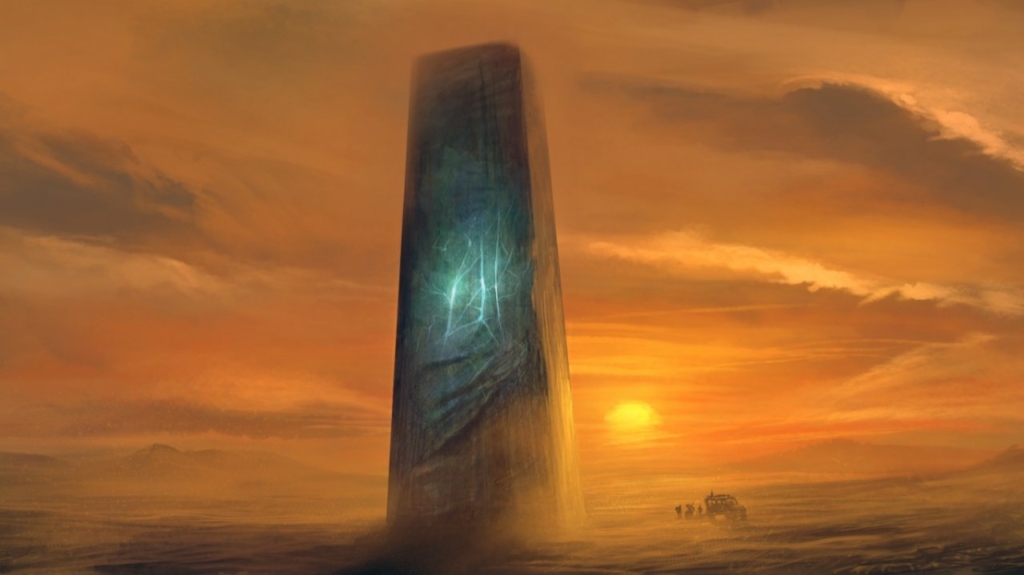
Across Europe, Asia, Africa, and the Americas, there are about 50,000 old vertical stones, often known as monoliths or mines. The oldest are about 5,000 years old, and the biggest…
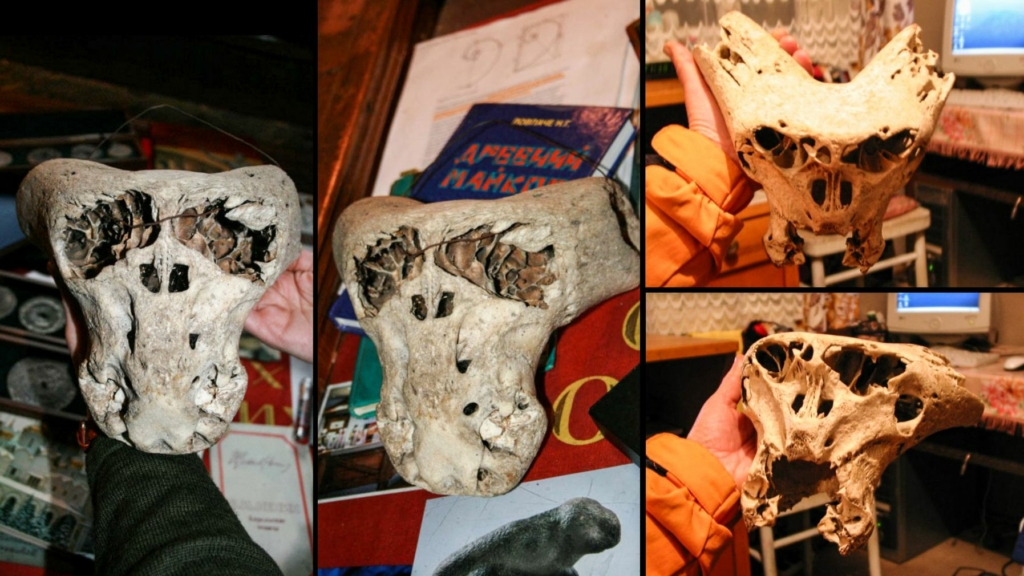
The Bolshoi Tjach skulls are housed in a small museum in the town of Kamennomostsky, in the Republic of Adygea, Russia.
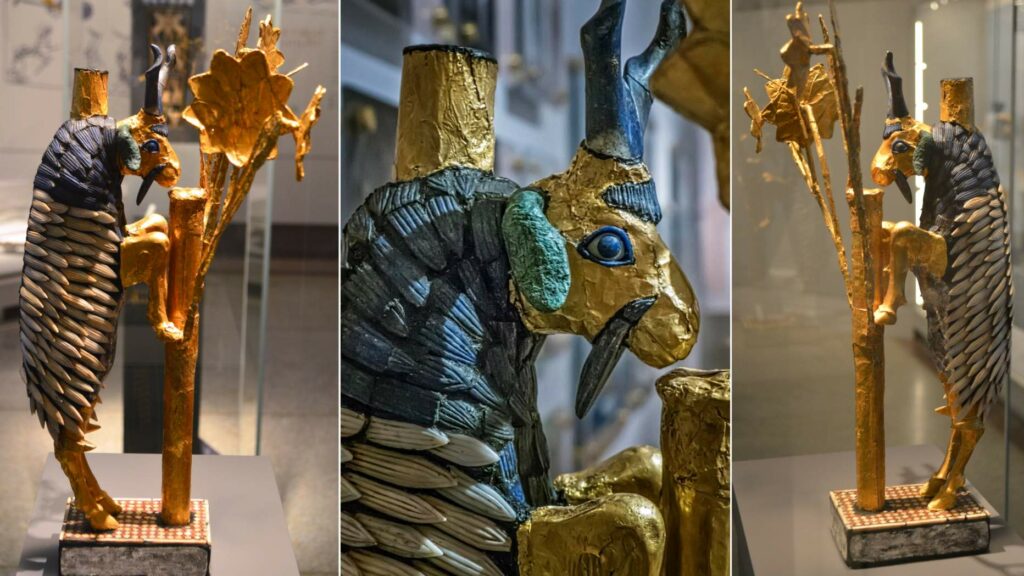
Found in the tomb of an ancient Mesopotamian royal couple, the unique sculpture known as the Ram in a Thicket has raised numerous questions regarding its significance and symbolism.
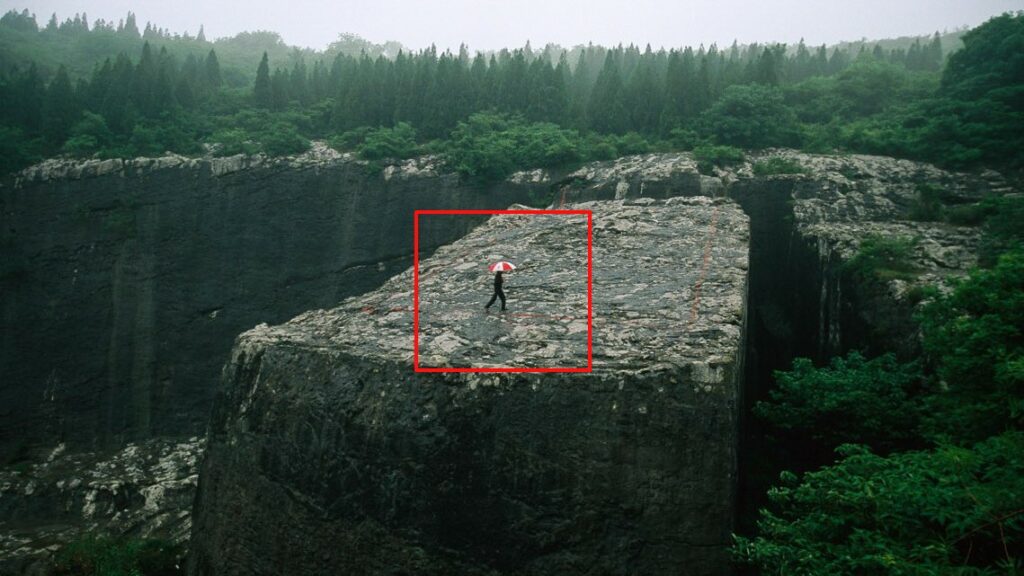
There is a vast amount of evidence dispersed all over the world that lends credence to the theory that an ancient civilization of intelligent beings once inhabited our planet, guiding…