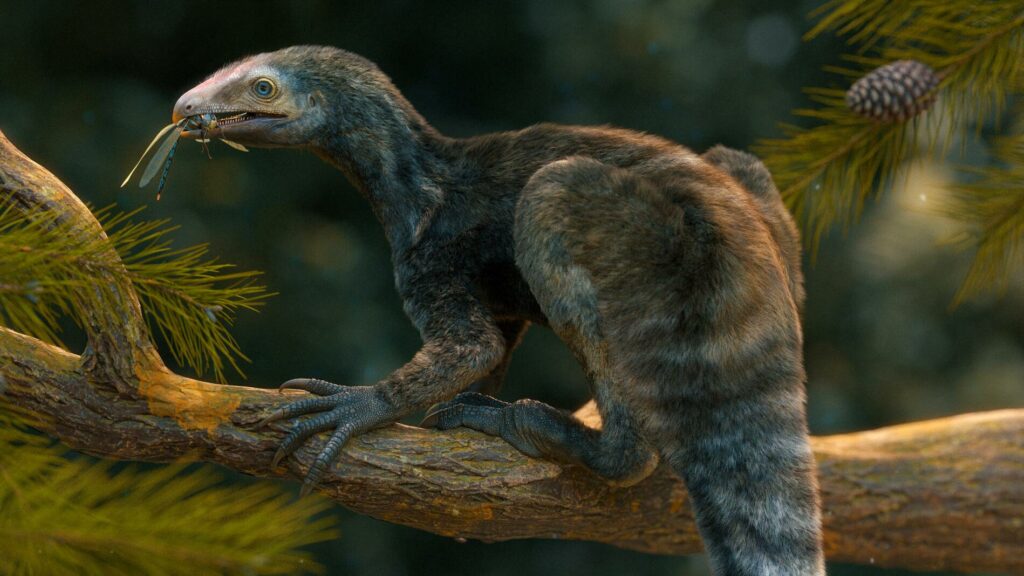
A 230-million-year-old creature similar to ‘Edward Scissorhands’ found in Brazil
The ancient predator, which scientists have named Venetorapter gassenae, also had a large beak and likely used its claws for climbing trees and picking prey apart.

Discover here all about the breakthrough inventions and discoveries, evolution, psychology, weird science experiments, and the cutting edge theories on everything.
The ancient predator, which scientists have named Venetorapter gassenae, also had a large beak and likely used its claws for climbing trees and picking prey apart.

These ancient refrigerators built by Persian engineers were used primarily to store ice for use in the summer, as well as for food storage, in the hot, dry desert climate of Iran.

A Gene is a single functional unit of DNA. For example, there may be a gene or two for hair colour, eye colour, whether or not we hate green peppers,…

Scientists believe that a supermassive black hole lurks at the centre of virtually every galaxy in the universe, with a mass that is millions or billions of times that of the Sun…

A team of Chinese scientists discovered a giant sinkhole with a forest at its bottom.
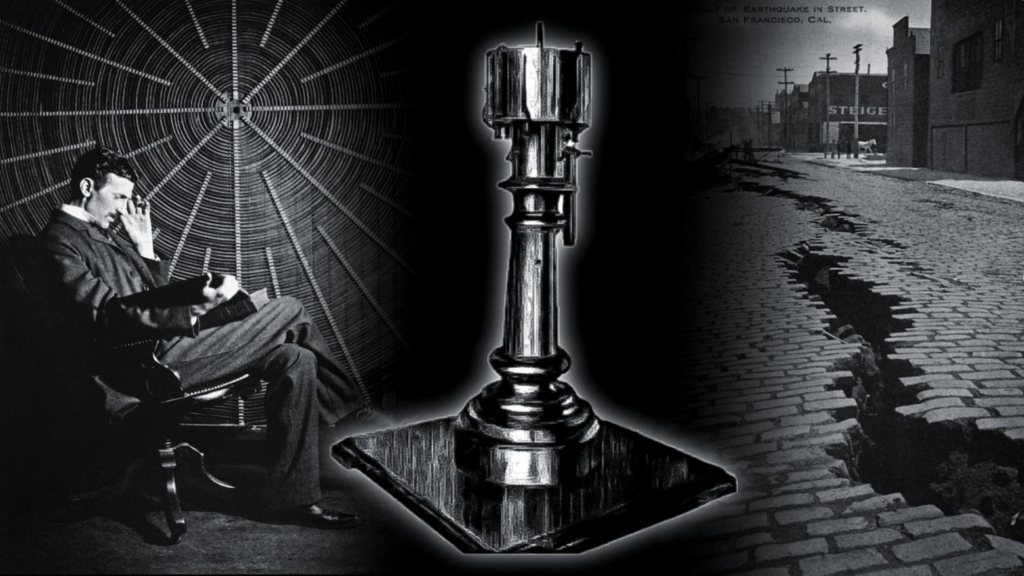
Nikola Tesla is known for his work on electricity and energy. He created alternating current, which made long-distance power transmission possible and worked on wireless communication and energy transfer. Brilliant…
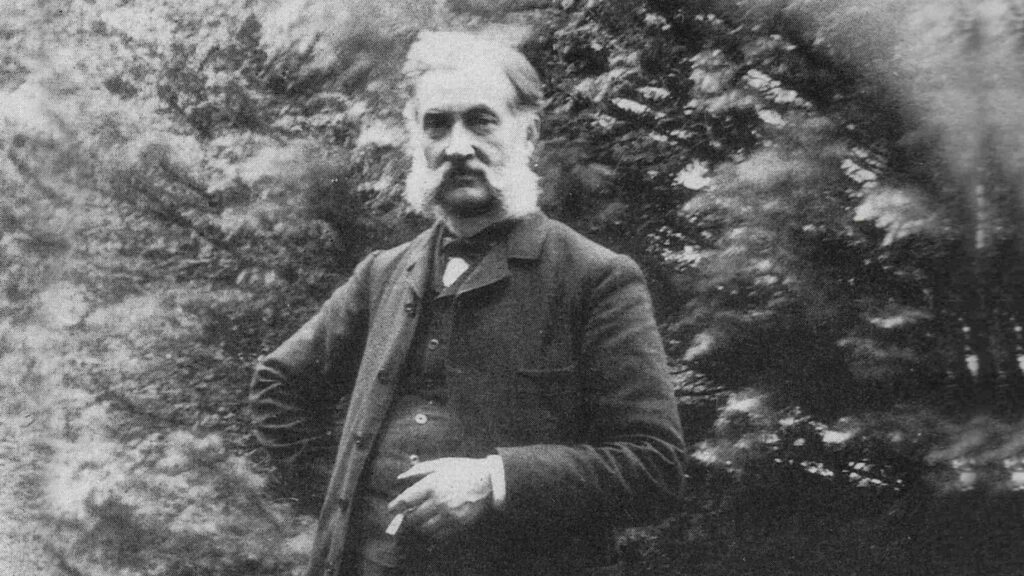
Louis Le Prince was the first person to create moving pictures—but he mysteriously disappeared in 1890, and his fate is still unknown.
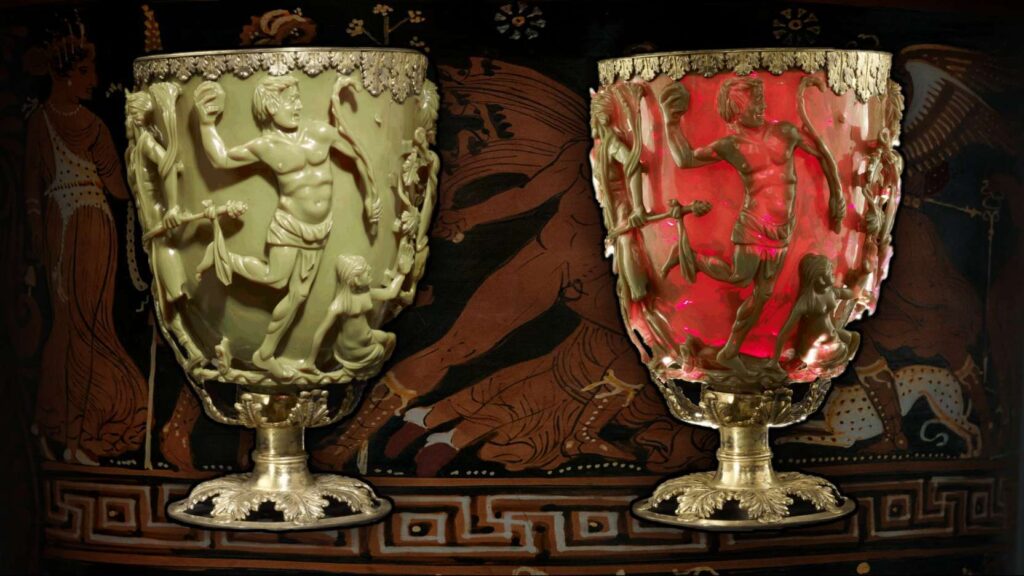
According to scientists, nanotechnology was first discovered in ancient Rome nearly 1,700 years ago and it is not one of many samples of modern technology attributed to our sophisticated society.…
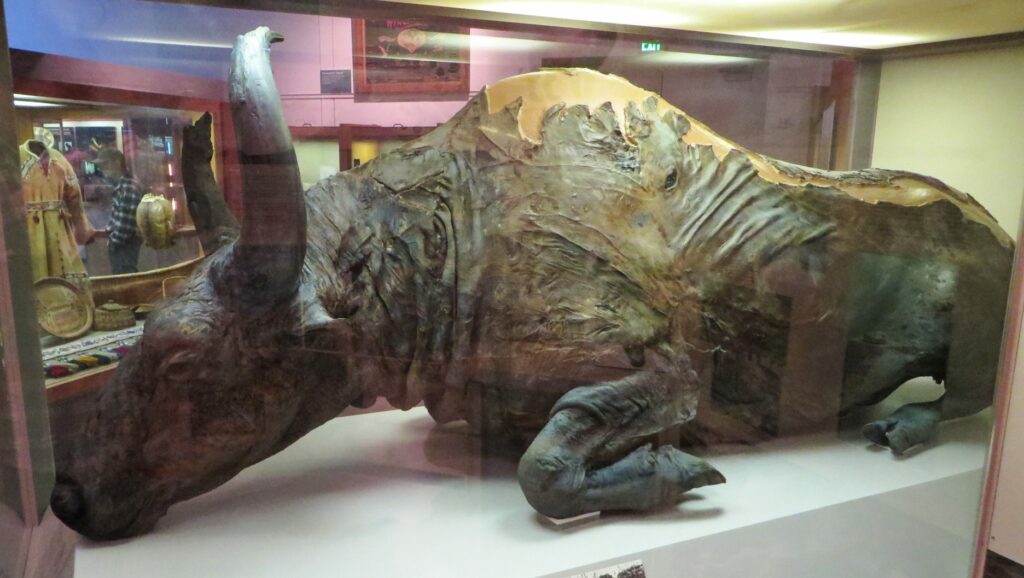
The remarkably well-preserved bison was first discovered by gold miners in 1979 and handed over to scientists as a rare find, being the only known example of a Pleistocene bison reclaimed from the permafrost. That said, it didn’t stop gastronomically curious researchers from whipping up a batch of Pleistocene-era bison neck stew.
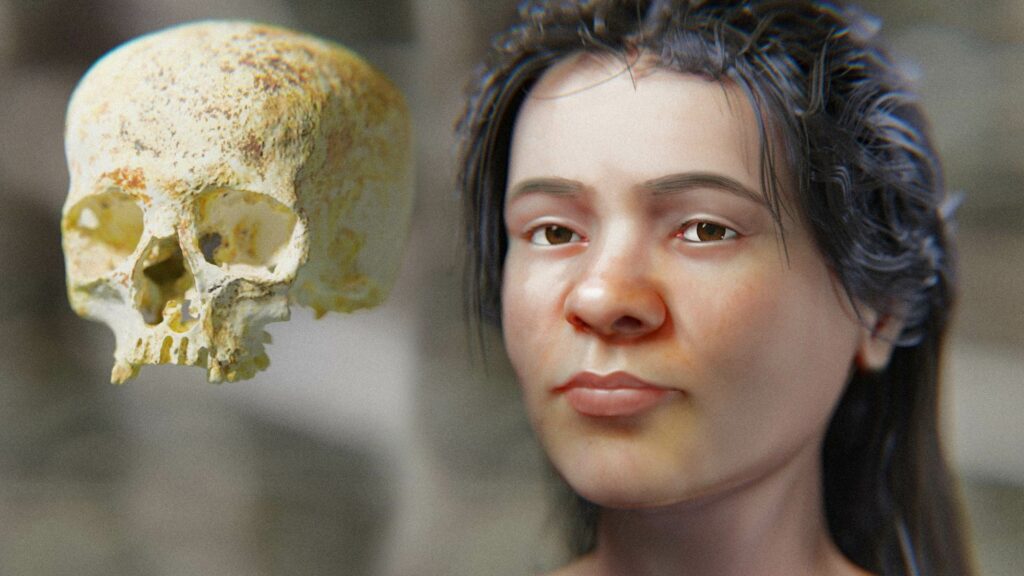
Researchers created a 3D image of a Bronze Age woman who was likely part of Europe's "Bell Beaker" culture.