
In the summer of 1897, the world watched with fascination as a giant hydrogen balloon rose into the Arctic sky. Suspended beneath it were three Swedish explorers who believed they were about to achieve what no human had ever done before: reach the North Pole from the air. Instead, they vanished.
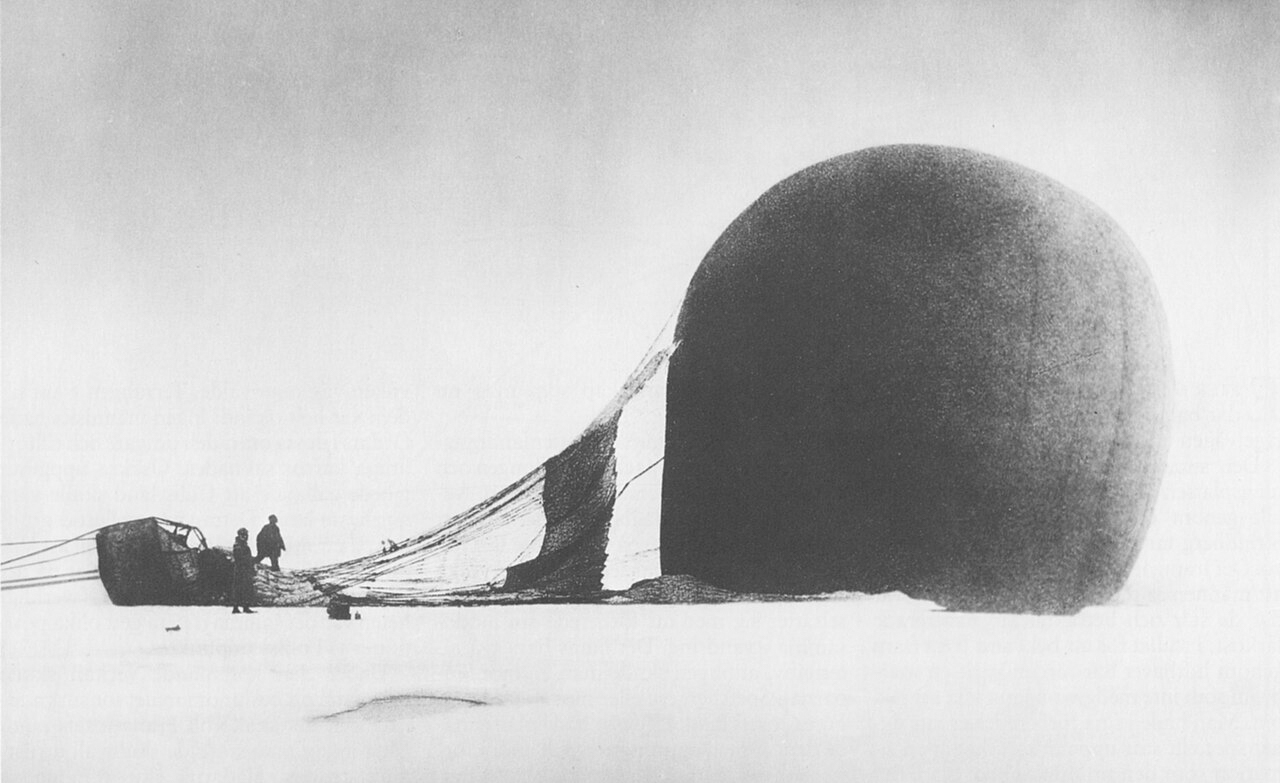
For more than three decades, nobody knew what became of them. Then, in one of the most extraordinary discoveries in the history of exploration, scientists uncovered their frozen campsite on a remote Arctic island. Among the relics left behind were diaries, personal belongings, and a camera containing undeveloped photographs—images that would provide a haunting glimpse into the final months of one of the Arctic’s greatest tragedies.
This is the story of Salomon August Andrée and the doomed balloon expedition that became a symbol of both human ambition and the unforgiving power of nature.
A radical plan to conquer the North Pole
During the late nineteenth century, the Arctic remained one of the last unexplored regions on Earth. The North Pole had not yet been reached, and nations across Europe competed for prestige through exploration.
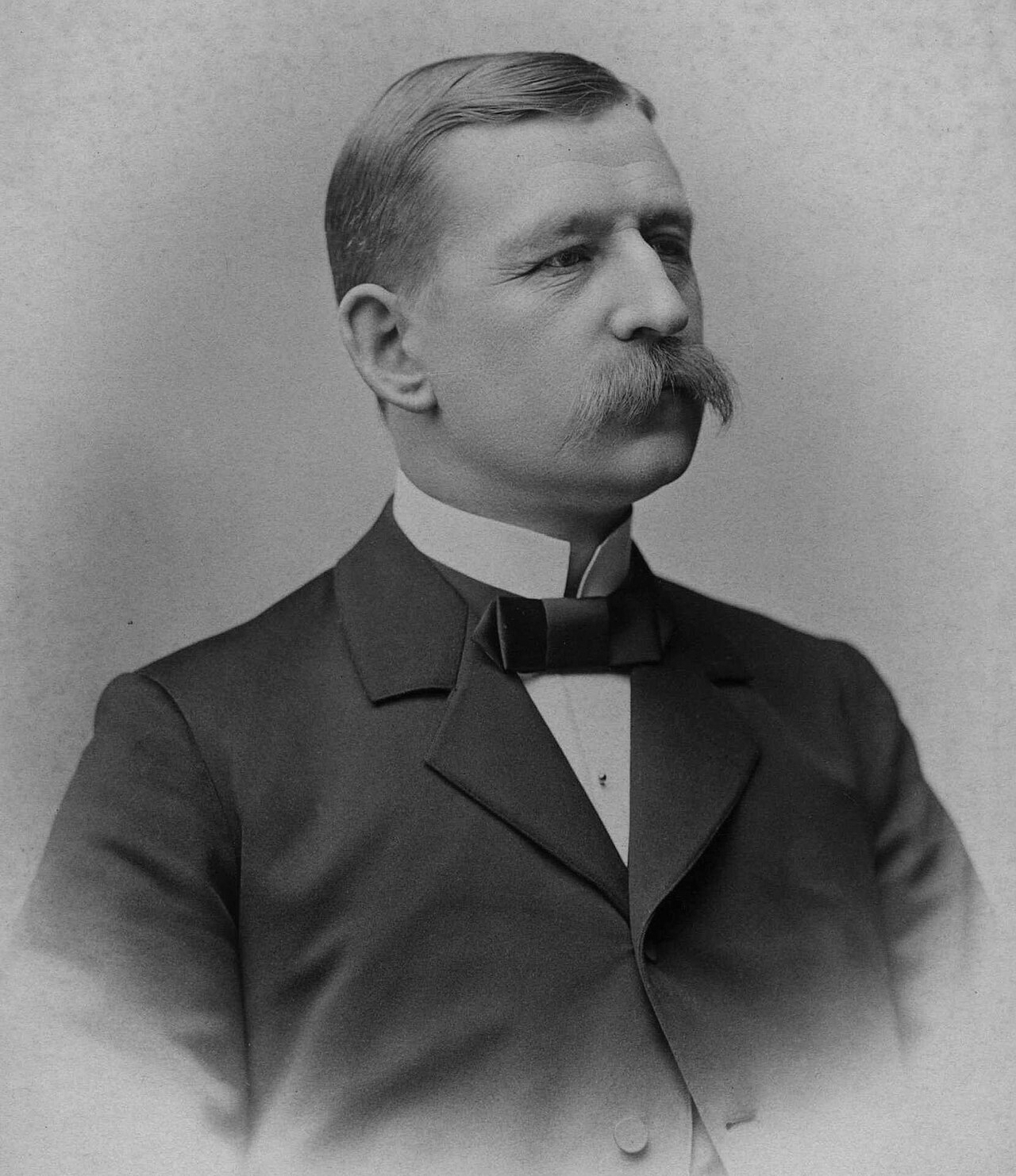
Salomon August Andrée, a Swedish engineer and enthusiastic balloonist, believed he possessed the solution. Rather than fighting through sea ice with ships and sledges like previous explorers, Andrée proposed something revolutionary: flying over the Arctic in a hydrogen balloon.
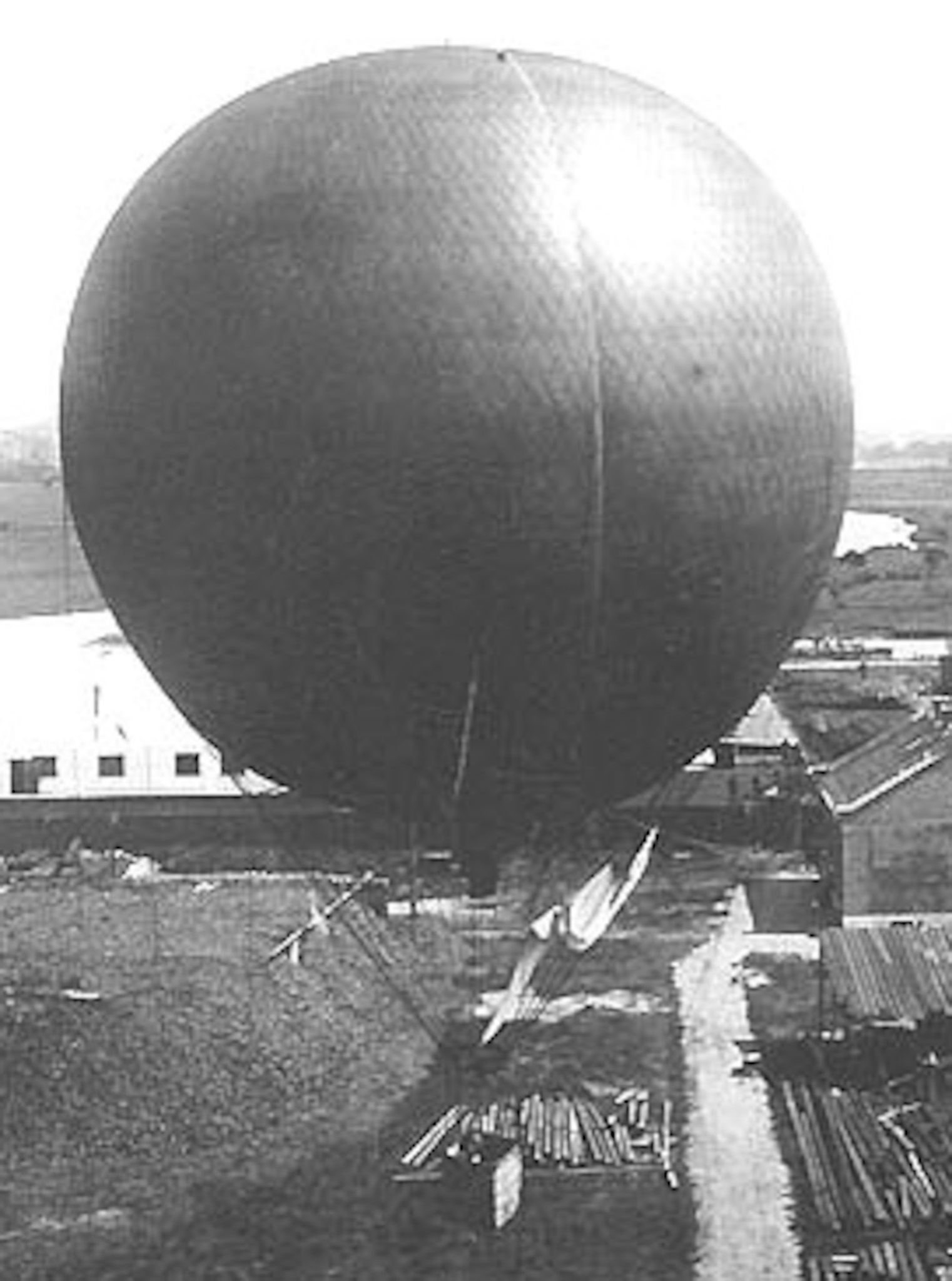
His aircraft, named Örnen—Swedish for “The Eagle”—was designed to drift across the polar basin, pass directly over the North Pole, and eventually descend somewhere in Alaska, Canada, or Russia.
The plan captured the public imagination. Newspapers celebrated the expedition as the future of exploration. Financial backing poured in, and Andrée became a national hero before he had even left the ground.
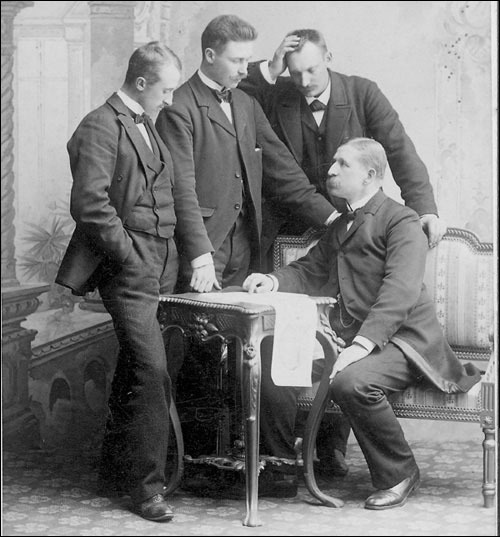
Joining him on the mission were physicist and photographer Nils Strindberg and engineer Knut Frænkel. Together, the three men prepared to attempt one of the boldest journeys ever conceived. Yet behind the excitement lay a dangerous flaw.
A balloon that could not truly be controlled
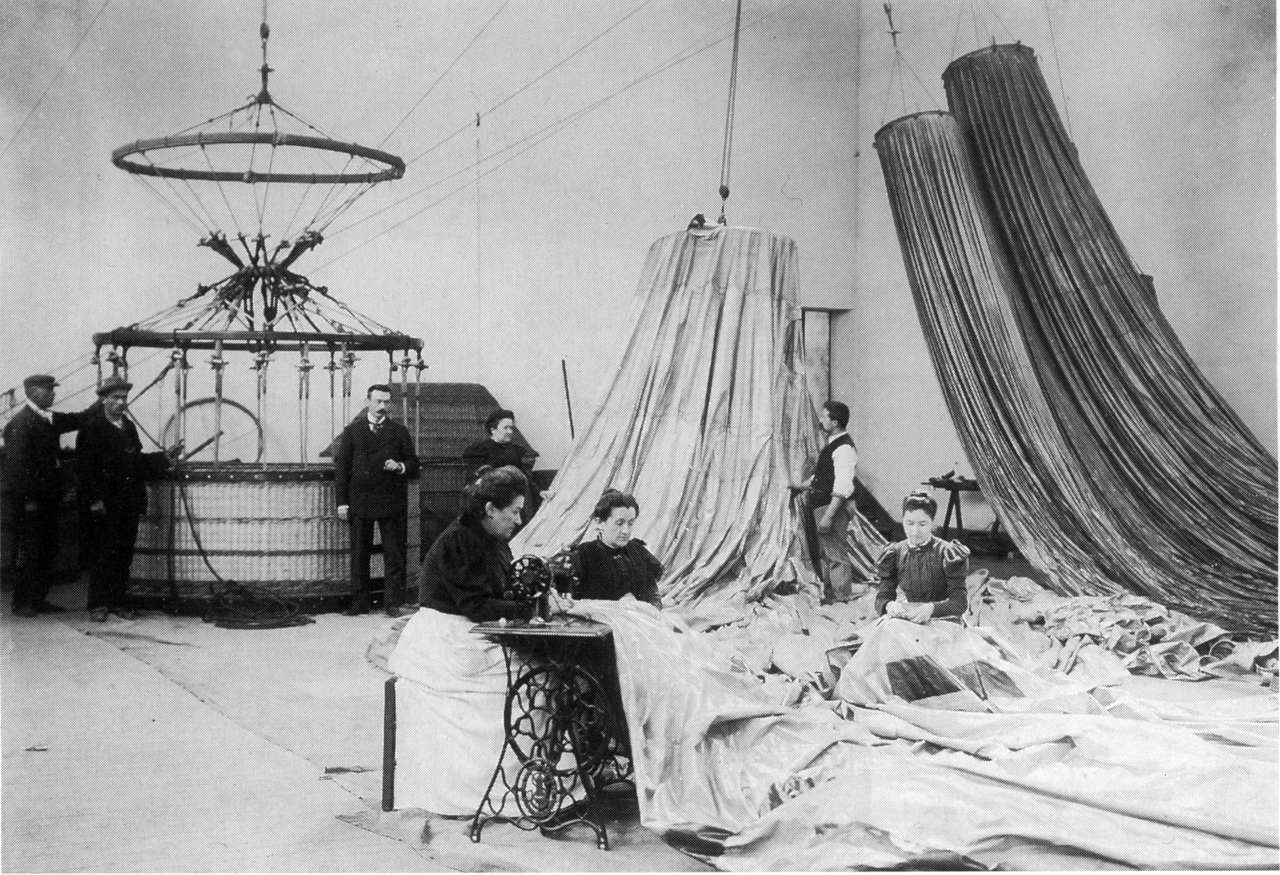
Andrée insisted that his balloon could be steered. His system relied on long drag ropes that hung beneath the balloon and dragged across the ice and ocean below. The friction created by these ropes was supposed to allow the crew to alter their direction and navigate through Arctic winds.
The concept sounded innovative. In reality, it was deeply problematic. Many experts questioned whether such a massive balloon could be meaningfully controlled in the first place. Modern analyses suggest the steering system was largely ineffective and that the balloon would inevitably drift wherever the winds carried it. Those concerns would prove justified almost immediately.
The launch into history
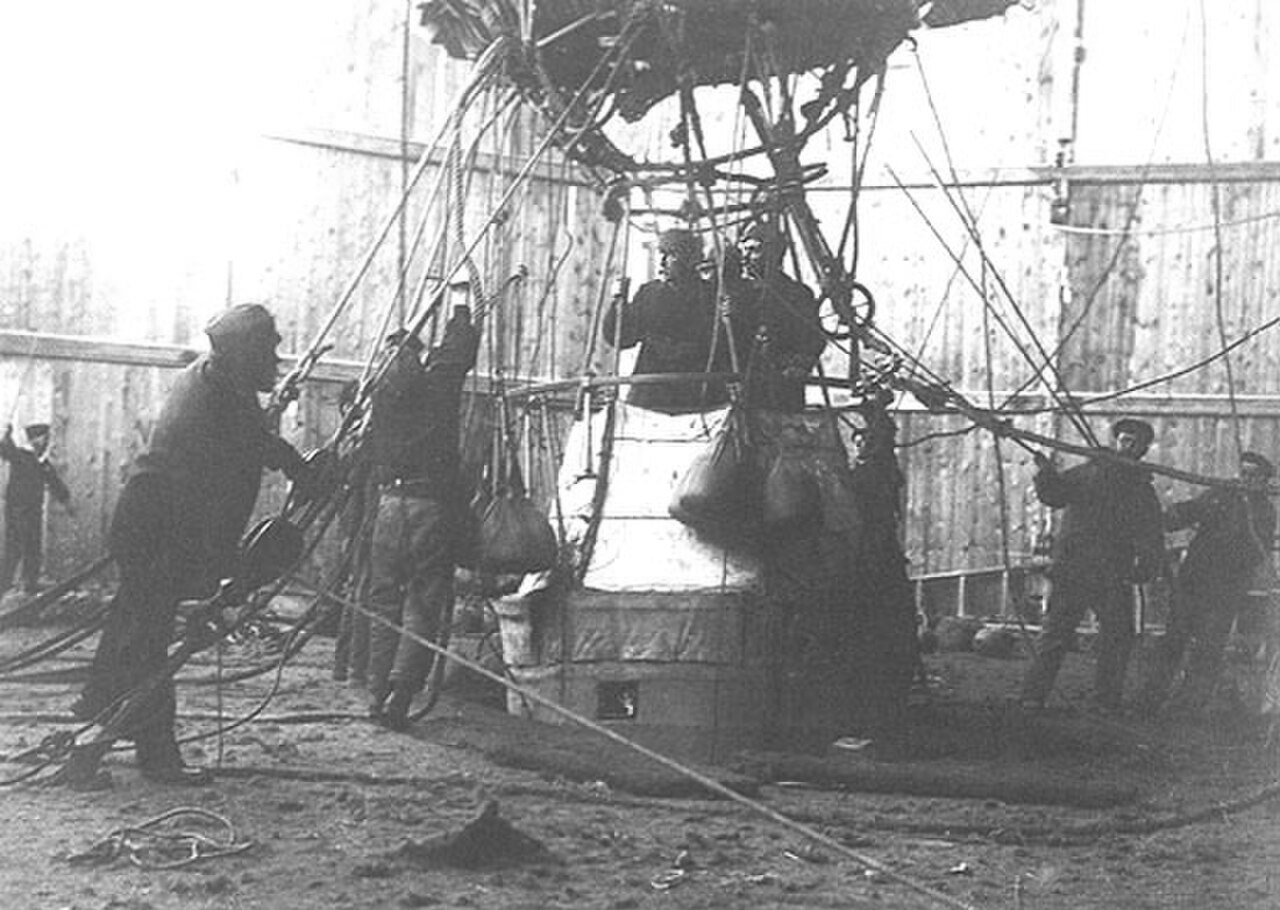
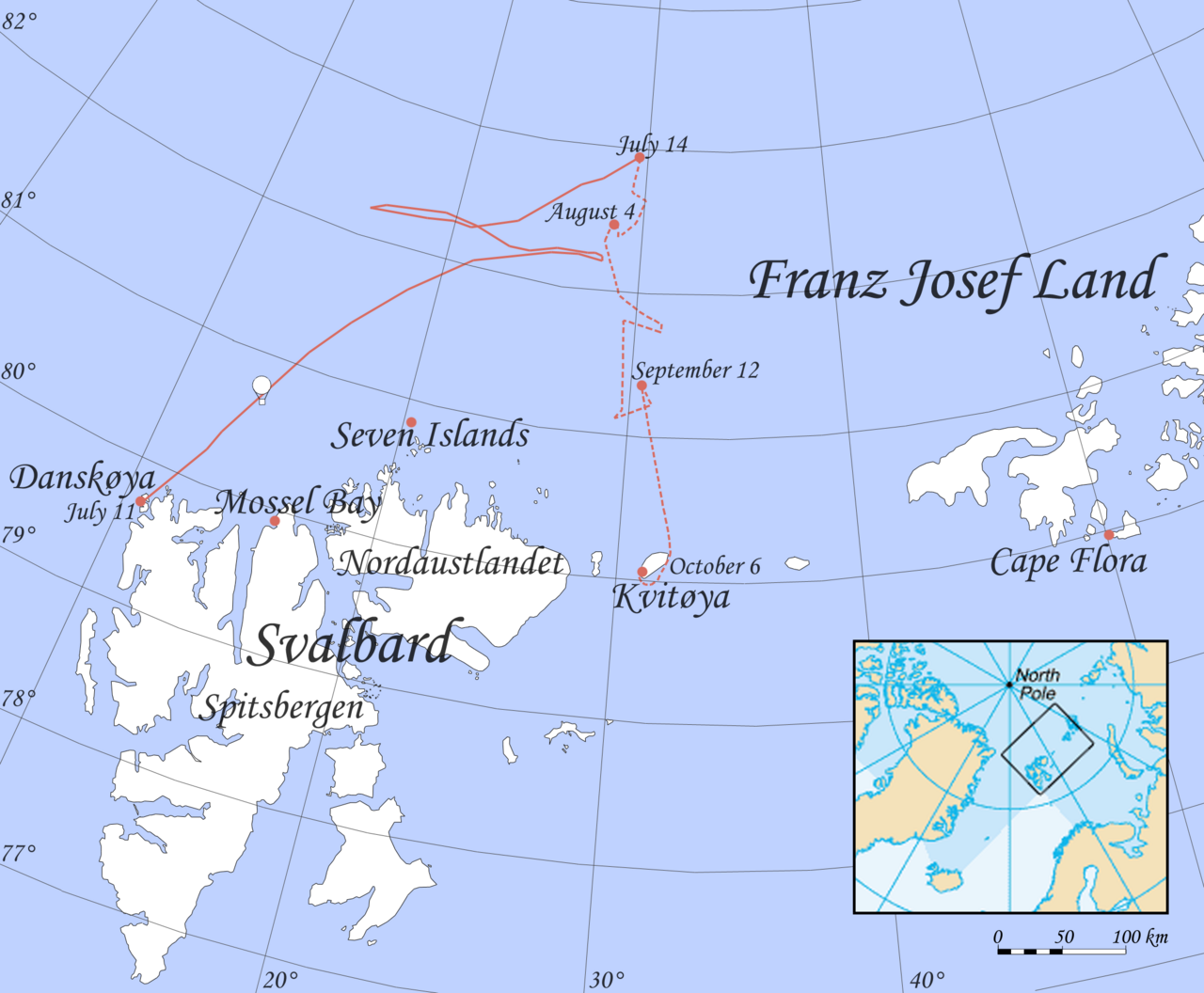
On July 11, 1897, the Eagle lifted off from Danes Island in the Svalbard archipelago. Crowds cheered as the enormous balloon disappeared into the Arctic sky. But within hours, disaster began unfolding.
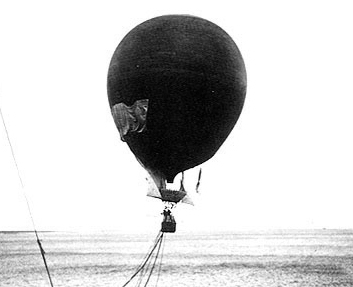
Several of the crucial drag ropes broke away shortly after launch. The balloon started losing hydrogen more rapidly than expected. The loss of equipment reduced any chance of controlling the craft, while the leaking gas steadily robbed it of lift.
Instead of soaring triumphantly across the Arctic, the expedition found itself struggling simply to remain airborne. For nearly three days the balloon drifted helplessly over the frozen ocean. Then, after approximately 65 hours in the air, the journey ended.
The Eagle crashed onto drifting pack ice roughly 300 miles from its starting point. The dream of reaching the North Pole had lasted less than three days.
Alone on a frozen ocean
The men now faced a terrifying reality. They were stranded hundreds of miles from civilization on a constantly shifting landscape of ice. There was no radio; no aircraft capable of rescue; no realistic possibility that anyone would find them.
Fortunately, they managed to salvage a considerable amount of equipment and supplies from the wrecked balloon. Food, scientific instruments, weapons, sledges, and camping gear were recovered before the balloon was abandoned.
The three explorers immediately began planning a journey across the ice. It would become a desperate struggle for survival.
The endless march
Traveling across Arctic pack ice was vastly more difficult than Andrée had anticipated. The sledges were enormously heavy and often had to be dragged over jagged pressure ridges, deep snow, and fractured ice fields. Progress was painfully slow.
Adding to their misery, the drifting ice itself often moved in directions opposite to their intended route. Some days they worked for hours only to discover they had gained almost no ground.
The Arctic seemed determined to resist every step. Yet the men persisted. For weeks they hauled their supplies across one of the harshest environments on Earth.
Life in the frozen wilderness
Throughout their ordeal, the explorers maintained detailed journals. These records would later become one of the most valuable surviving accounts of Arctic survival ever written.
At first, the entries remained optimistic. The men carefully documented weather conditions, navigation readings, scientific observations, and daily routines. They continued behaving as explorers rather than castaways.
But as the weeks passed, survival increasingly dominated their lives. To supplement their food supplies, they hunted seals, birds, and polar bears. The constant cold, physical exertion, and isolation gradually wore them down. Their journals reveal growing exhaustion and uncertainty. Still, they pressed onward.
The camera that captured their final journey
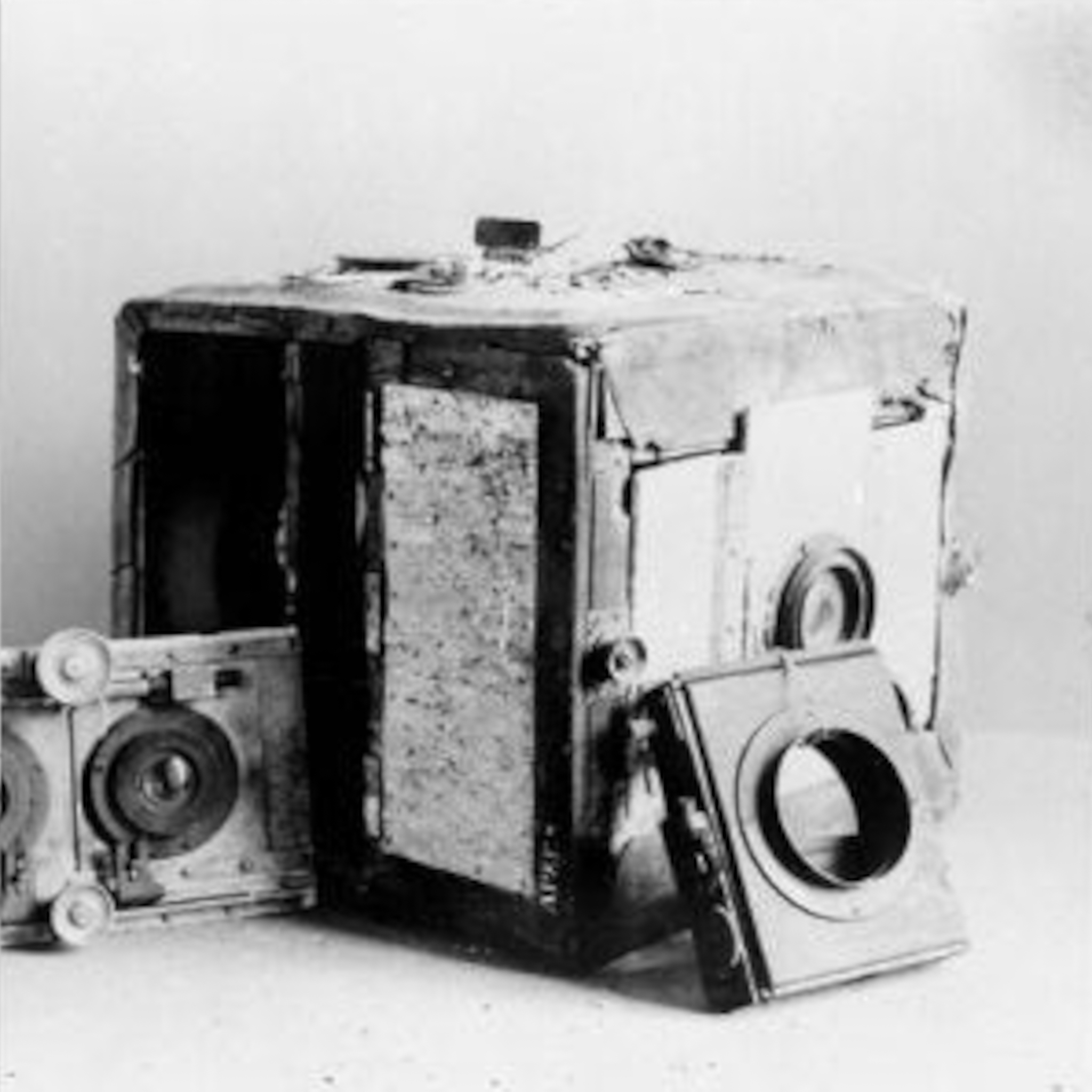
Among the expedition’s most important pieces of equipment was a camera carried by Nils Strindberg. Despite the increasingly desperate circumstances, Strindberg continued taking photographs throughout the journey.
He documented the balloon after its crash, life in the camps, hunting expeditions, and the harsh Arctic landscape surrounding them.
At the time, nobody could have imagined the significance these images would one day hold. The negatives remained undeveloped. Then the explorers disappeared.
The great Arctic mystery
After the expedition vanished, search efforts began. Year after year, ships ventured into Arctic waters looking for traces of the missing men. Nothing was found. No camps. No equipment. No bodies. No messages. The Arctic had swallowed them completely.
As years passed, speculation flourished. Had they drowned after falling through the ice? Had polar bears attacked them? Had starvation or disease claimed their lives? Without evidence, nobody could know.
The fate of Andrée and his companions became one of the great unsolved mysteries of exploration.
The discovery after 33 years
The mystery persisted until August 1930. That summer, a Norwegian sealing vessel reached the remote island of Kvitøya, one of the most isolated locations in the Arctic.
There, members of the crew noticed unusual objects emerging from snow and ice. What followed stunned the world.
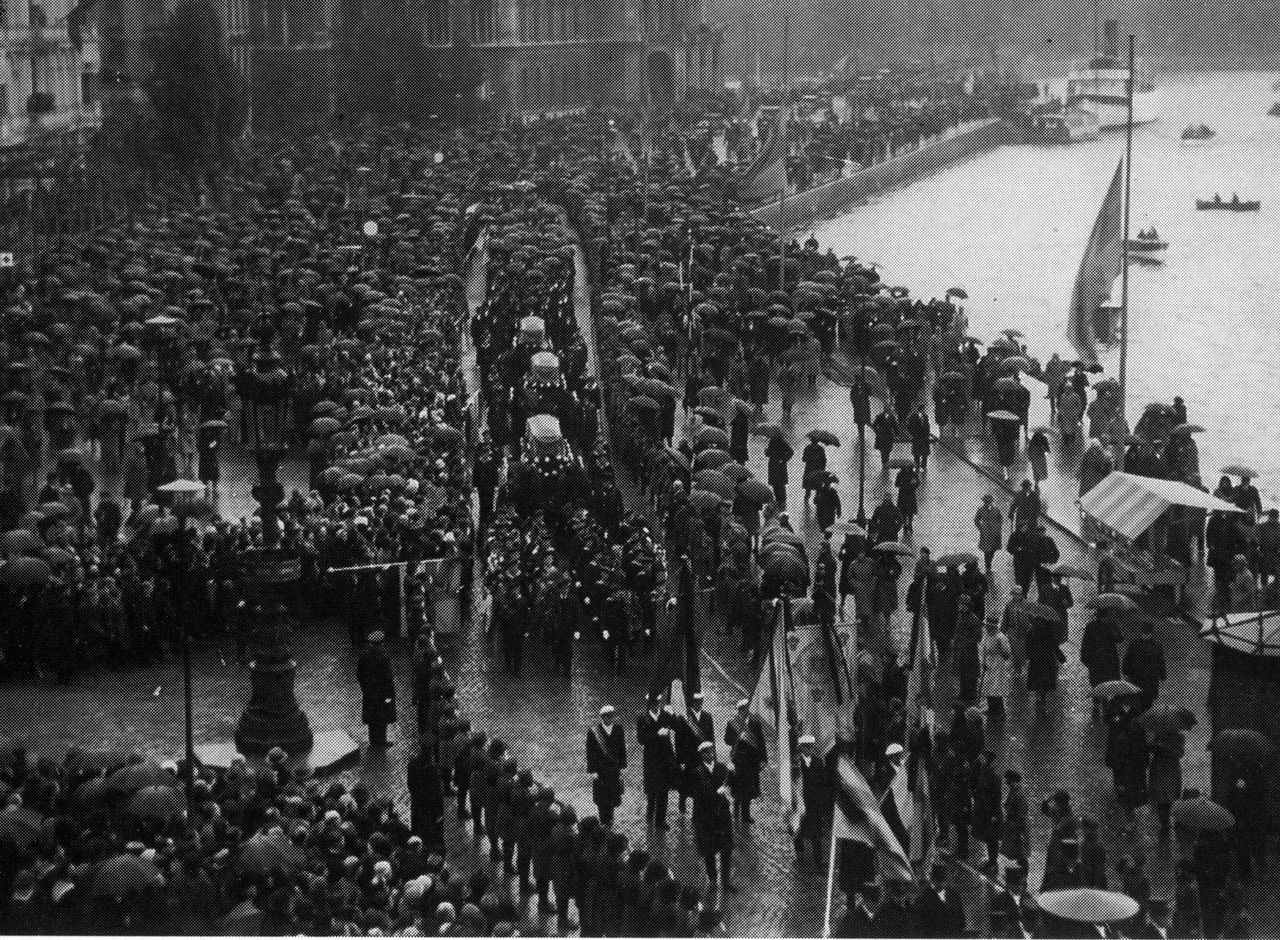
Investigators uncovered the remains of Andrée’s long-lost expedition. Bodies were discovered. So were diaries, scientific notes, equipment, clothing, weapons, and personal possessions.
The lost explorers had finally been found after thirty-three years. Yet the most astonishing discovery was still to come.
The miracle hidden inside a camera
Among the recovered artifacts was Strindberg’s camera. Even more remarkable were the undeveloped photographic negatives that had remained preserved by the Arctic cold.
Experts carefully processed the fragile film. Against all expectations, many images survived. The photographs revealed scenes that nobody had witnessed since 1897.
There was the wrecked balloon resting on the ice. There were the explorers hauling sledges. There were camps, supplies, hunting expeditions, and moments of ordinary daily life.
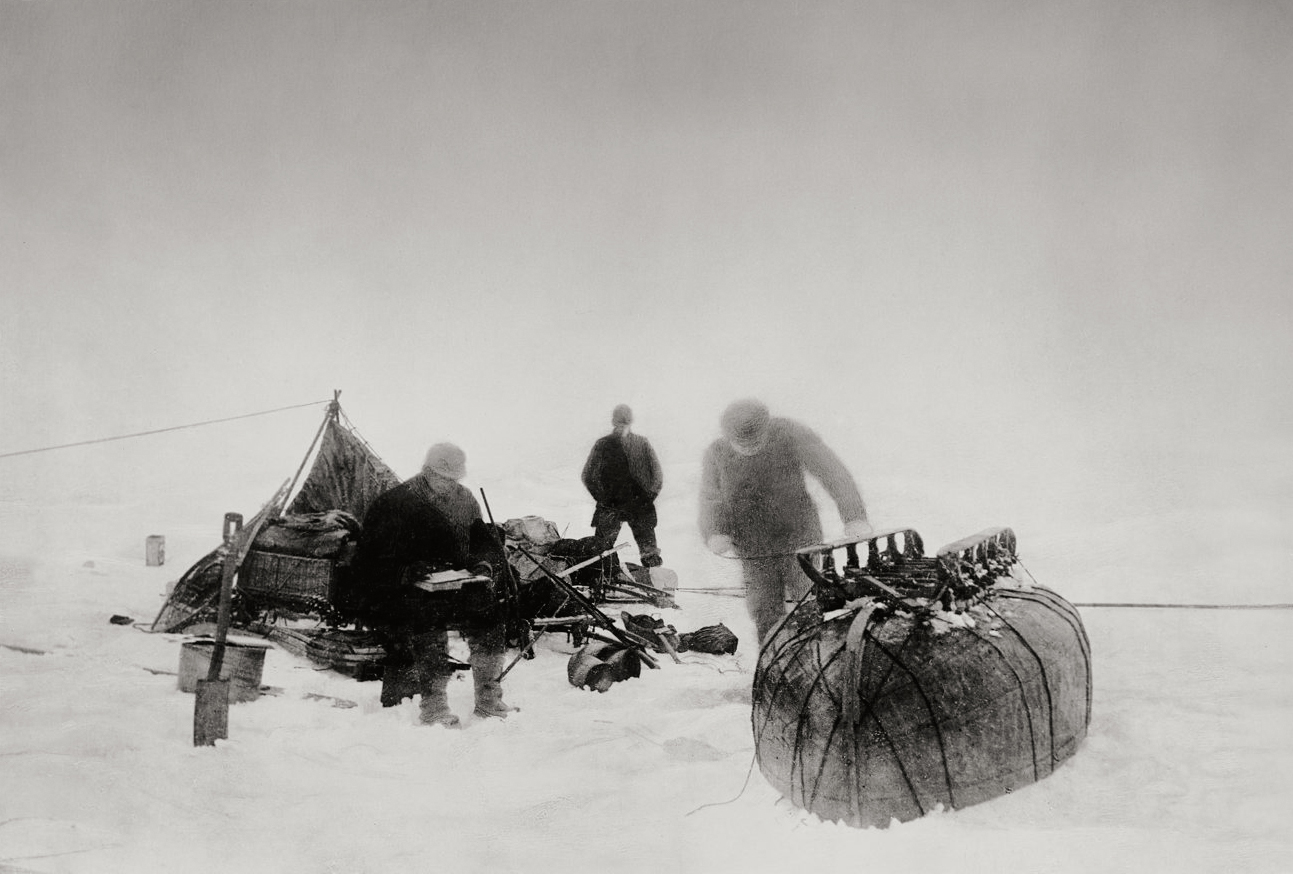
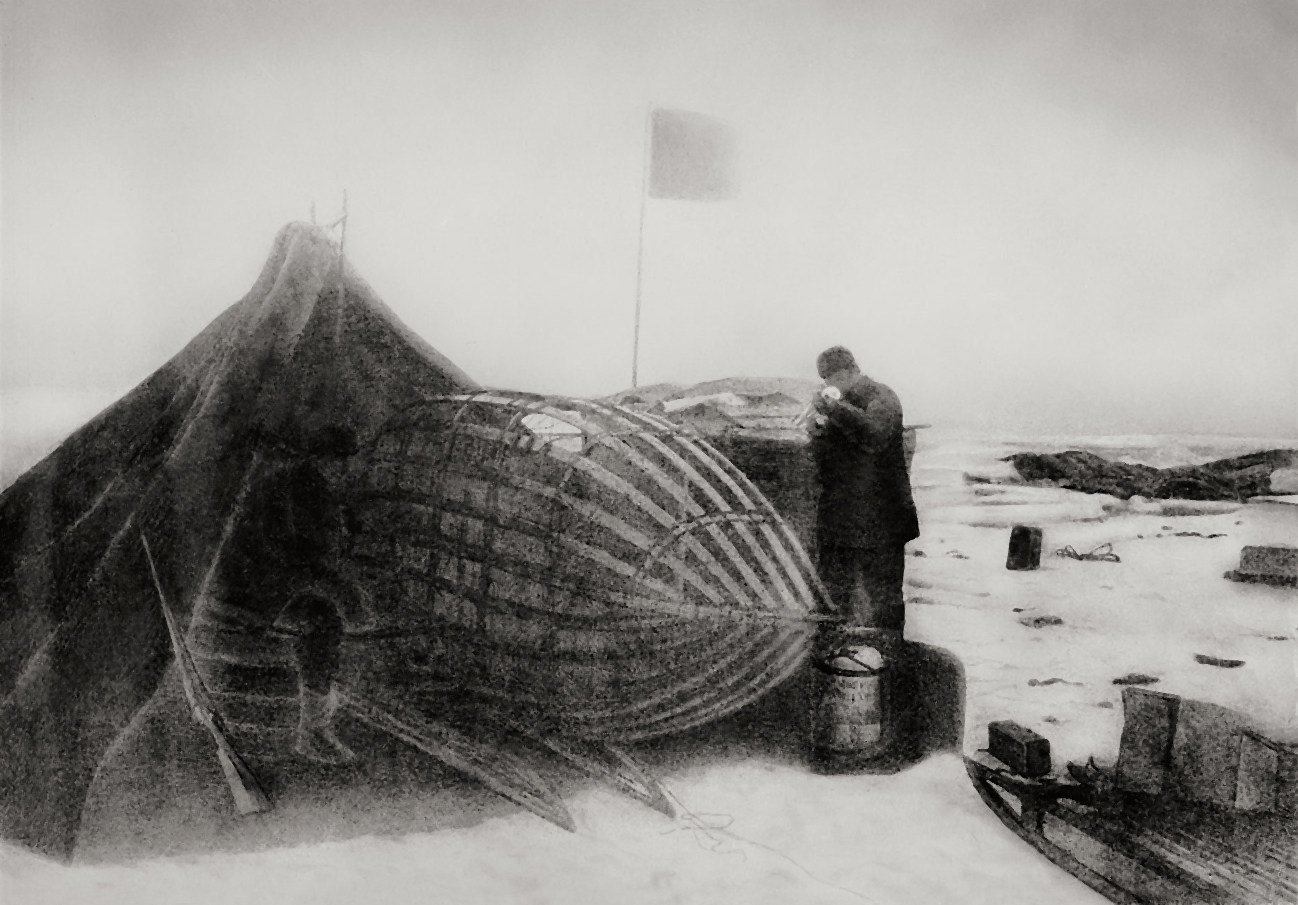
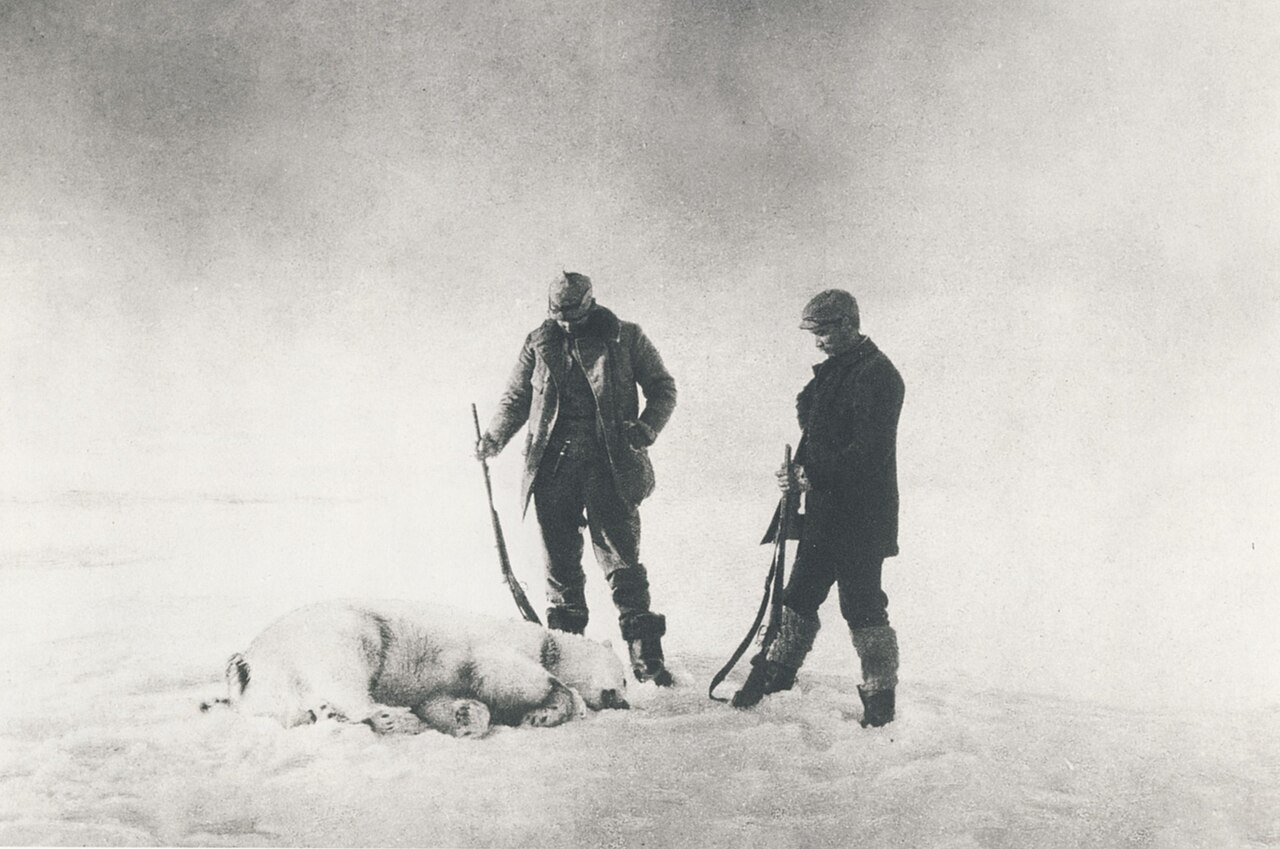
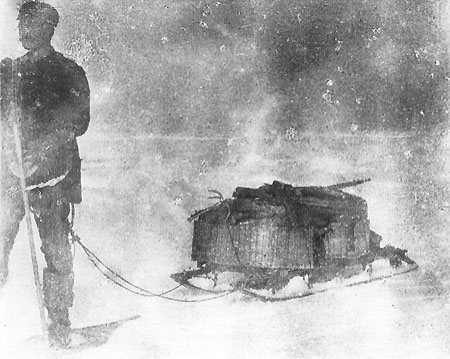
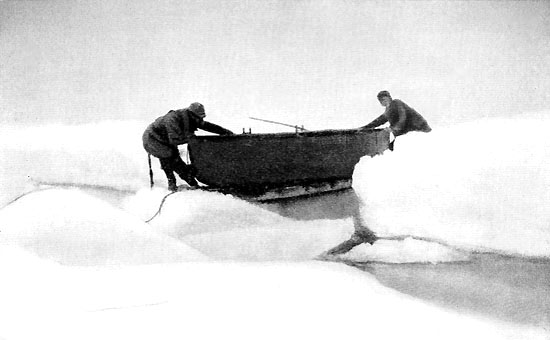
The images transformed the expedition from a historical mystery into a human story. For the first time, people could look directly into the final months of the doomed journey.
Today, these photographs remain among the most haunting visual records in exploration history.
What killed them?
Although the discovery answered many questions, one mystery remains unresolved: the exact cause of death. It’s still debated.
The final diary entry was written in October 1897. After that, the record ends. Several theories have been proposed.
One of the earliest explanations involved trichinosis, a parasitic disease that can be contracted from undercooked polar bear meat. Because the explorers hunted and consumed polar bears, many researchers believed infection may have weakened or killed them.
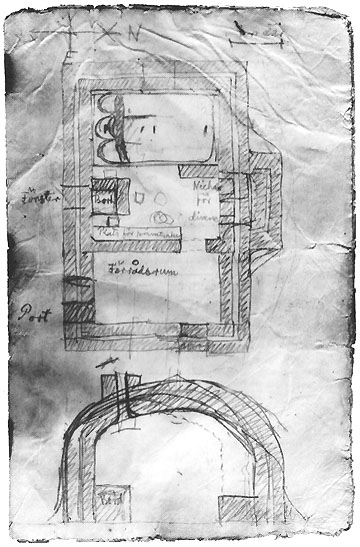
Later studies challenged this conclusion, suggesting the evidence was insufficient. Other researchers have proposed carbon monoxide poisoning from poorly ventilated stoves used inside shelters. Some point to vitamin deficiencies, malnutrition, or other illnesses.
Many historians believe the most likely explanation is a combination of factors: exhaustion, exposure, hunger, and the cumulative effects of months spent battling one of the harshest environments on Earth.
A polar bear attack has occasionally been suggested, but little evidence strongly supports that theory.
Lead poisoning from the cans in which their food was stored is another alternative explanation, as are vitamin A poisoning from consuming arctic animal liver, scurvy, botulism, and suicide (they had plenty of morphine and opium). More than a century later, the precise circumstances of their deaths remain uncertain.
A lesson written in ice
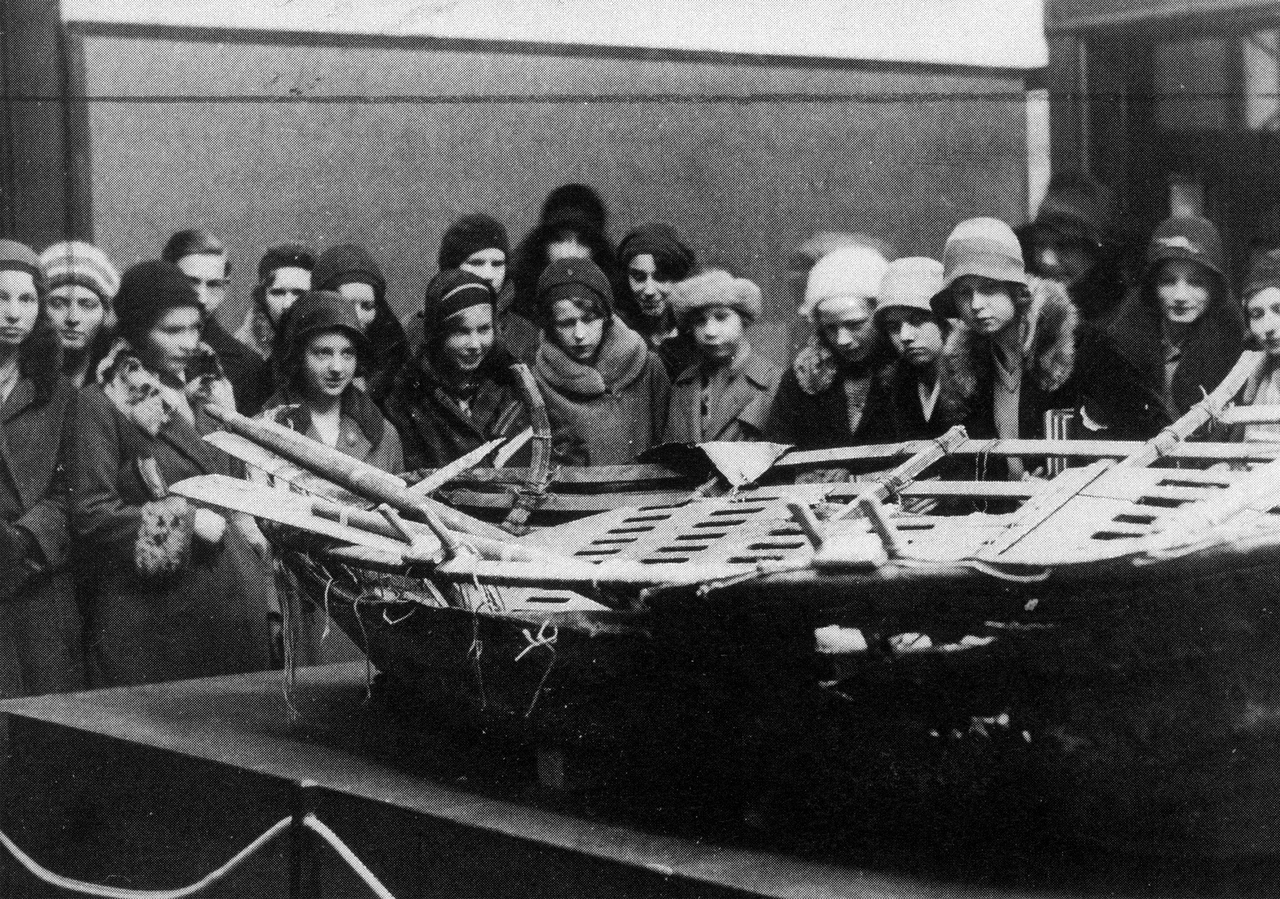
The Andrée expedition stands as one of history’s most powerful examples of the dangers of technological overconfidence.
The mission was born from optimism and innovation, but its success depended upon technology that had not yet matured.
Andrée envisioned a future in which aircraft could conquer the Arctic. In many ways, he was ahead of his time. The tragedy was that he attempted it decades too early.
Yet despite its failure, the expedition left behind an extraordinary legacy. The journals preserved the explorers’ thoughts. The artifacts preserved their daily lives. And the recovered photographs preserved their faces, their struggles, and their final journey.
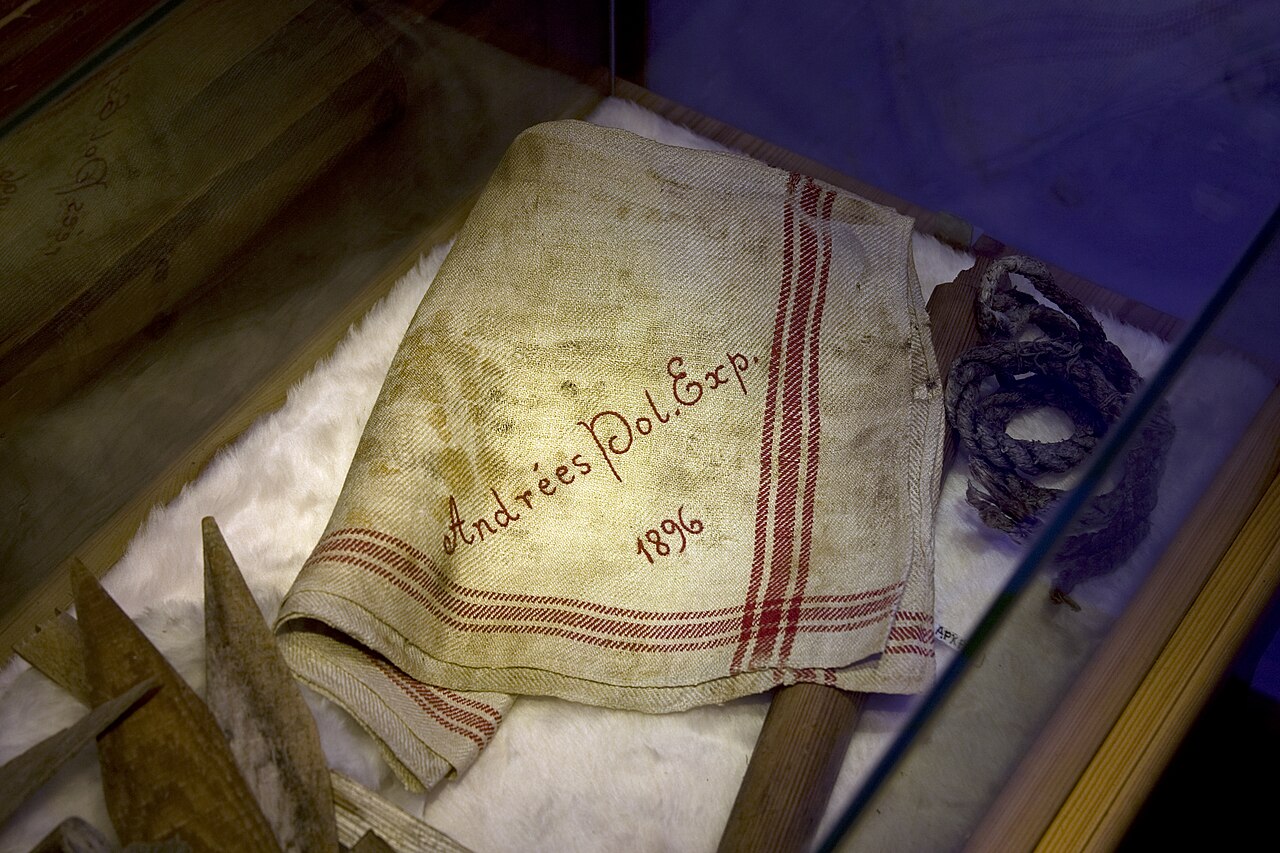
Frozen beneath Arctic ice for more than three decades, these relics became a time capsule from another era.
Today, when historians examine Strindberg’s haunting photographs, they see more than a failed expedition. They see three men standing at the edge of the known world, still documenting their adventure even as the Arctic closed around them.
Their dream of reaching the North Pole ended in disaster. But the story they left behind became immortal.
After reading this article, discover the story of The Endurance—Shackleton’s legendary lost ship and the harrowing 21-month struggle for survival that became one of history’s greatest tales of endurance.