
For decades, archaeologists believed that early humans gathered stone for tools wherever they happened to find it. But a remarkable discovery in South Africa is challenging that assumption—and pushing the origins of organized resource extraction back by hundreds of thousands of years.
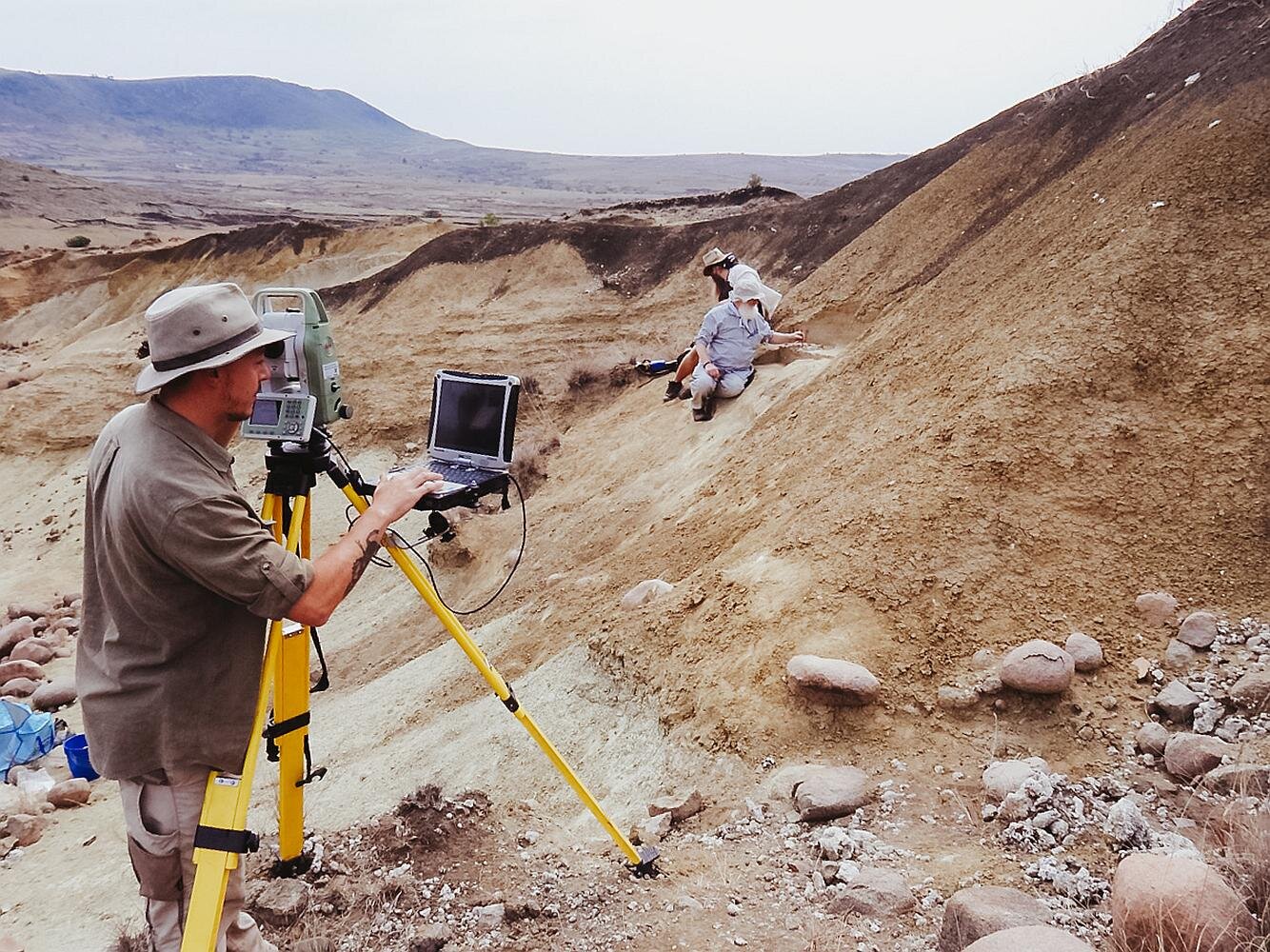
At a site known as Jojosi, researchers have uncovered evidence that humans were deliberately quarrying stone as long as 220,000 years ago, making it one of the oldest known quarry sites ever identified. The discovery suggests that our ancestors were far more strategic and technologically sophisticated than previously thought.
A Stone Age industrial zone
The site contains thousands of fragments of hornfels, a fine-grained metamorphic rock prized for making sharp stone tools. Archaeologists found tested stone blocks, hammerstones, flakes of various sizes, and enormous quantities of production waste—the telltale signs of systematic quarrying rather than casual collection.
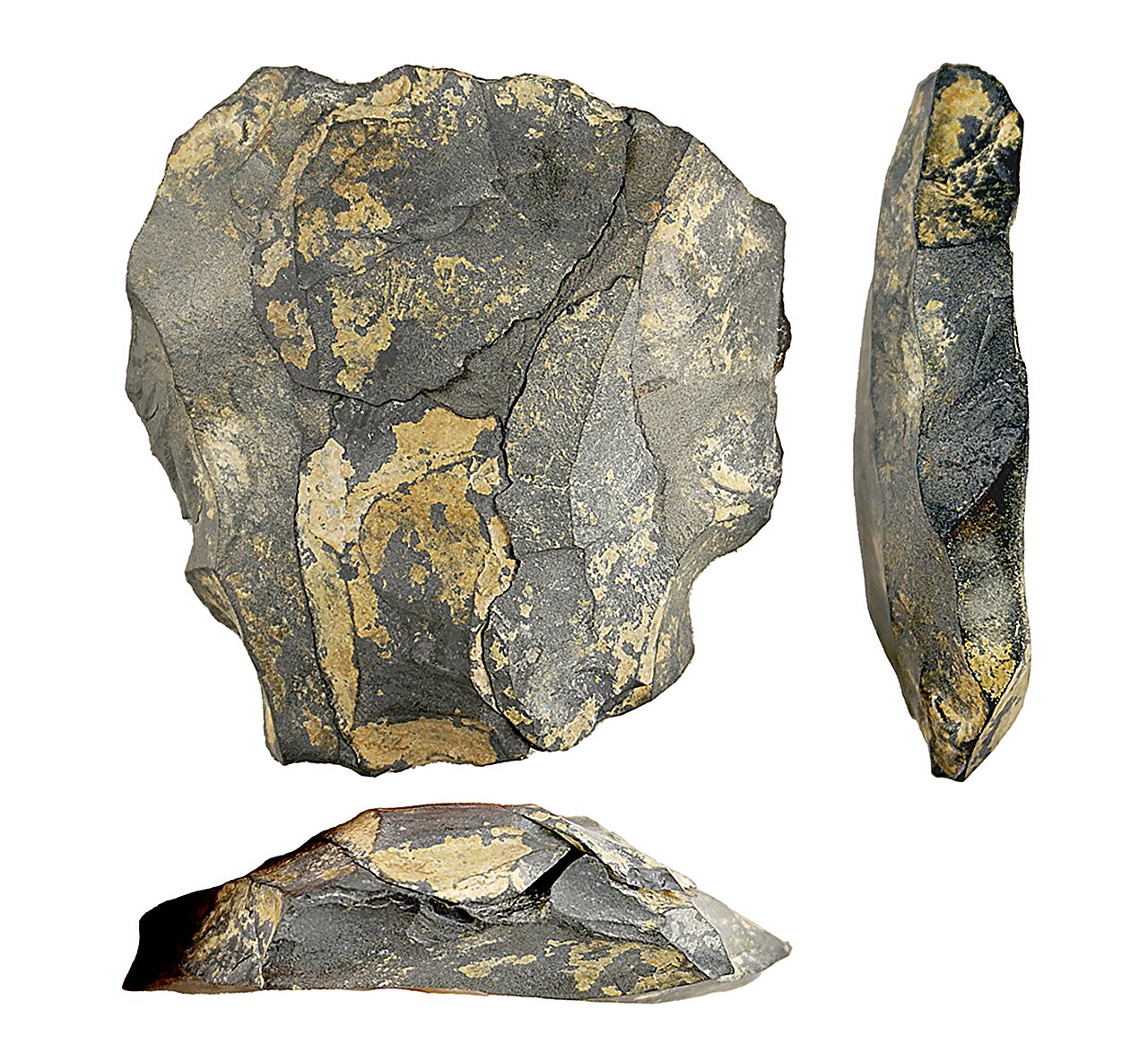
What makes Jojosi particularly significant is what researchers did not find. There is little evidence of long-term habitation or everyday activities. Instead, the site appears to have served a specialized purpose: extracting high-quality stone for later use elsewhere.
Planning ahead
The discovery challenges a long-standing view of Paleolithic hunter-gatherers as people who simply collected raw materials while hunting or traveling. Instead, the evidence suggests that these early humans knew where valuable stone deposits were located and repeatedly returned to them over thousands of years.
Such behavior implies advanced planning, knowledge of the landscape, and perhaps even the transmission of information between generations. In essence, the people of Jojosi may have been operating one of humanity’s earliest known resource procurement systems.
Rewriting the story of human innovation
The quarry appears to have been used between roughly 220,000 and 110,000 years ago, a period crucial to the evolution of modern human behavior in Africa. The findings suggest that organized extraction of valuable resources began much earlier than archaeologists once believed.
Far from being simple wanderers, these ancient toolmakers were carefully selecting raw materials, testing their quality, and shaping them on-site before carrying them away. The discovery unveils a rarely seen side of humans living more than two hundred millennia ago.
As new evidence emerges from sites like Jojosi, the story of human technological development continues to grow more complex—and more impressive. What looks today like a scatter of broken stones may, in fact, be the remains of one of the earliest industrial landscapes ever created by our species.
Publication details: Manuel Will et al, Specialised and persistent raw material procurement by humans in the Middle Pleistocene, Nature Communications (2026). DOI: 10.1038/s41467-026-70783-8