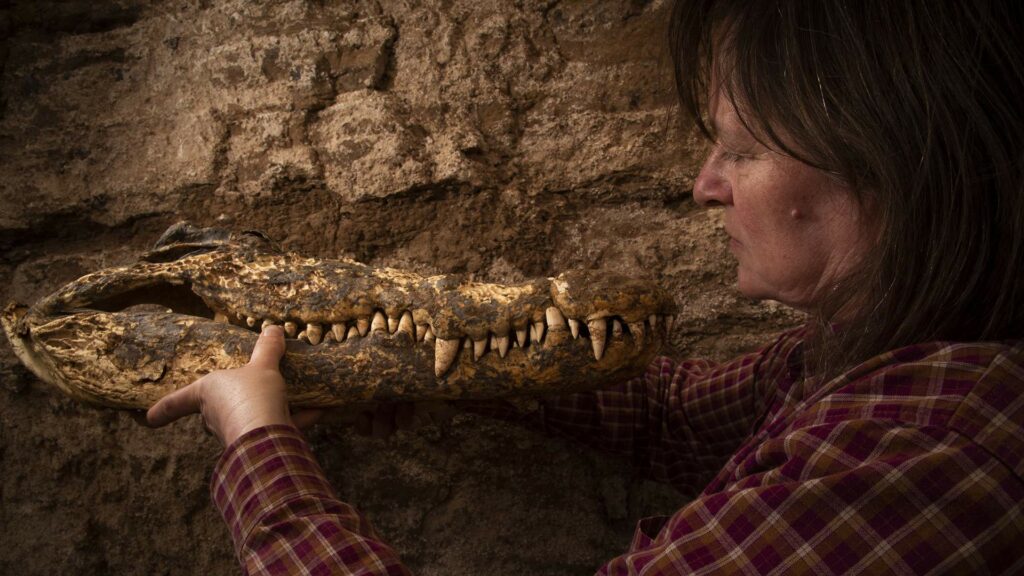
Mummified crocodiles provide insights into mummy-making over time
Crocodiles were mummified in a unique way at the Egyptian site of Qubbat al-Hawā during the 5th Century BC, according to a study published January 18, 2023 in the open-access…

Crocodiles were mummified in a unique way at the Egyptian site of Qubbat al-Hawā during the 5th Century BC, according to a study published January 18, 2023 in the open-access…
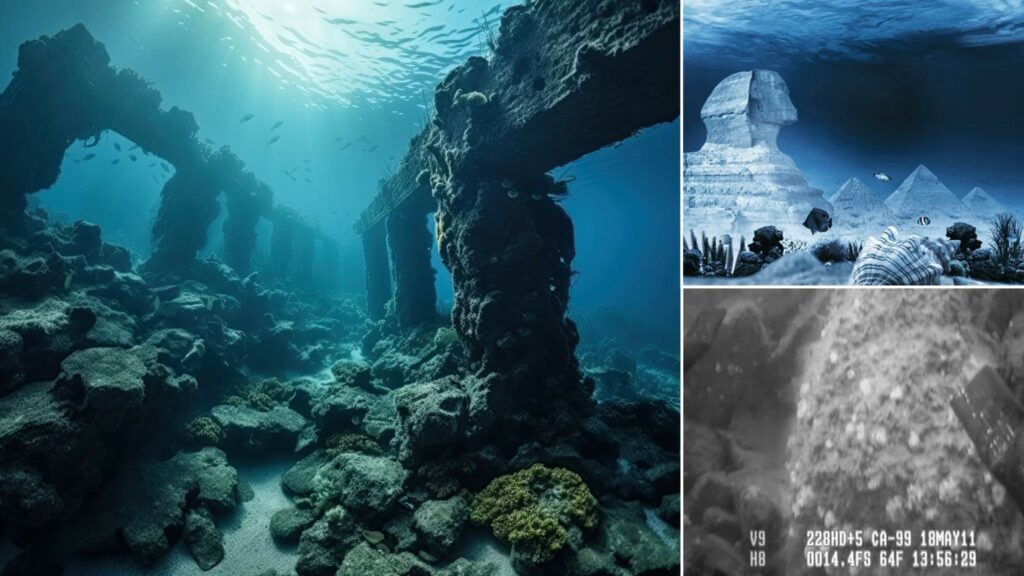
The Chandeleur Islands are a chain of uninhabited barrier islands located in the Gulf of Mexico, 50 miles east of New Orleans. Here an amateur archaeologist made a fascinating discovery – the 12,000-year-old lost city submerged in water.
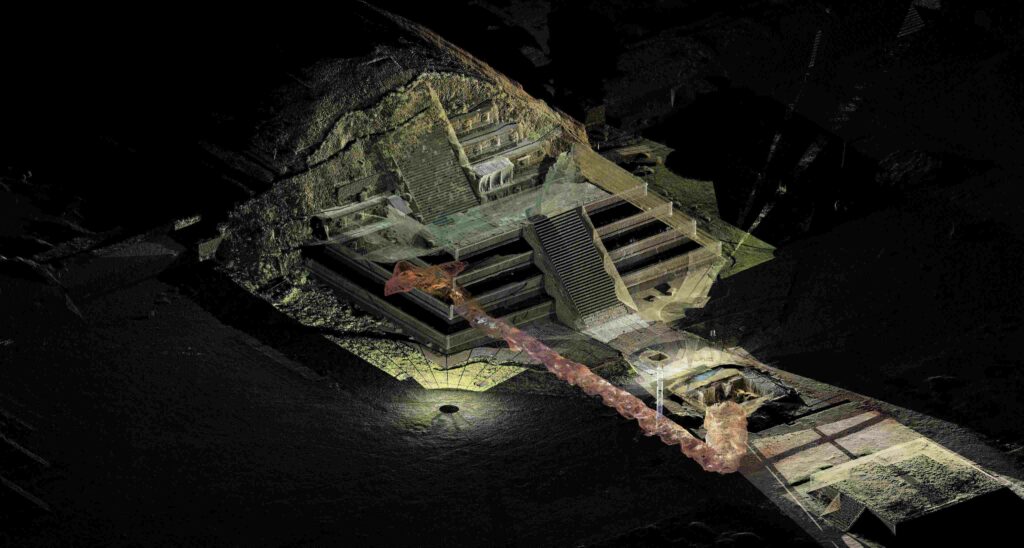
Sacred chambers and liquid mercury found inside the underground tunnels of Mexican Pyramids could hold the ancient secrets of Teotihuacán.
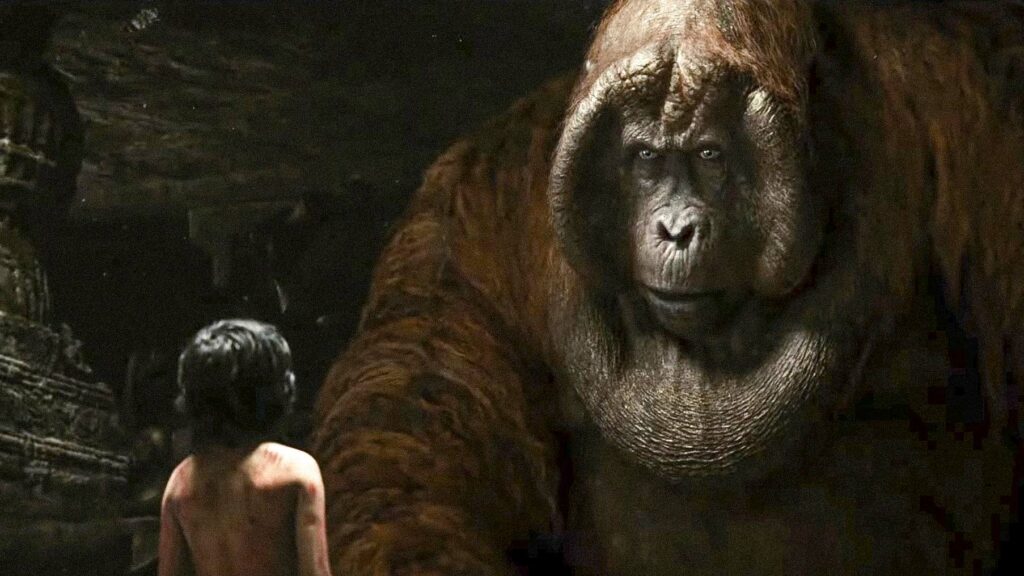
Call it Bigfoot, yeti or king kong, such a massive, mythological ape does not exist – at least, not anymore. However, an ape the size of a polar bear thrived in South Asia over a million years ago before becoming extinct 300,000 years ago.
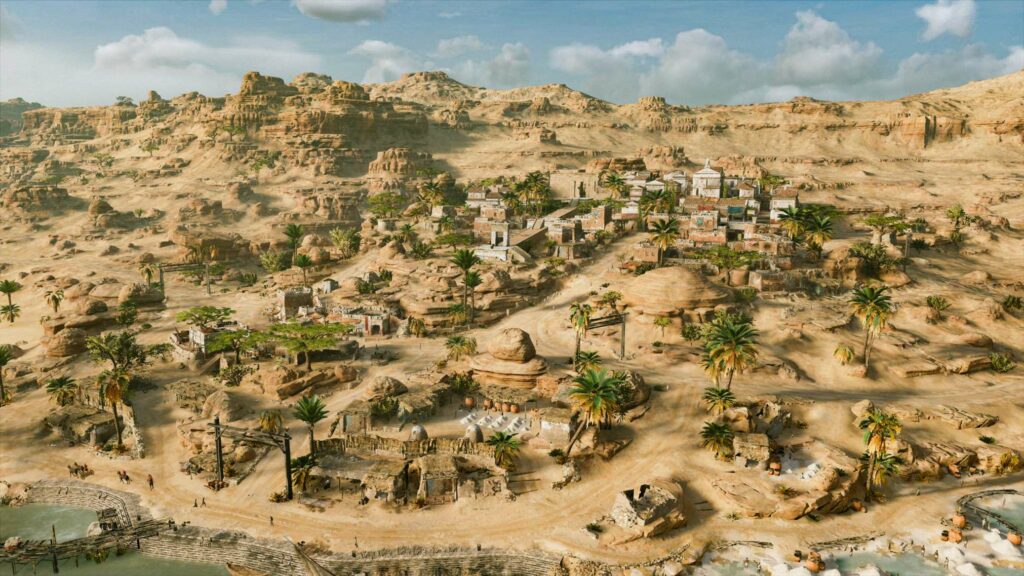
The ancient city of Soknopaiou Nesos, also known as Dimeh es-Seba, is connected to the Graecized deity of Soknopaios (Sobek neb Pai), a localized version of the Ancient Egyptian crocodile-headed god Sobek.
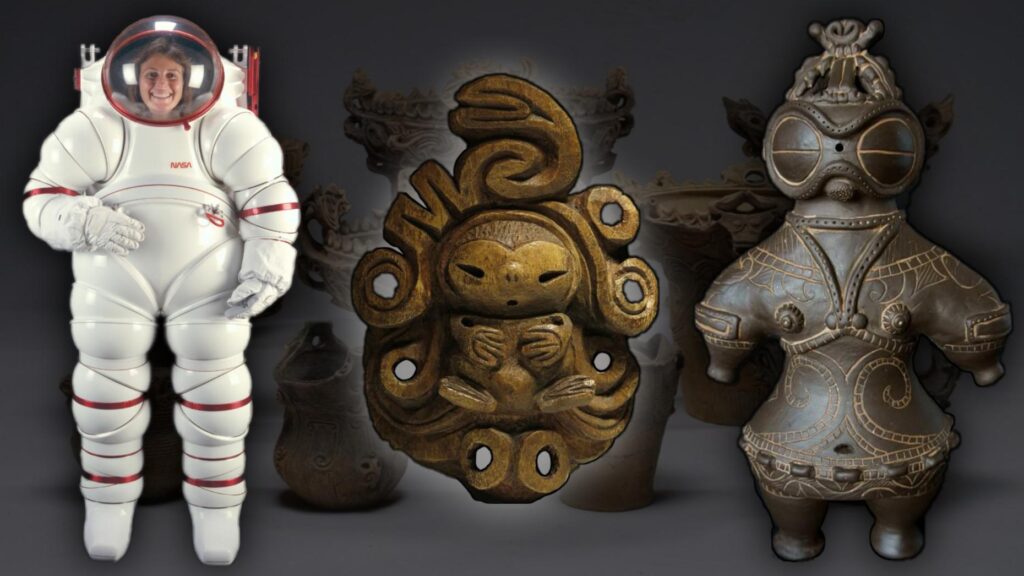
The explorer AP Kazantsev discovered mysterious clay figurines in the Tohoku Region, Honshu Island, Japan. They were made by the people called Jomon in about 7,000 BC. As often happens…

The historic decline and fall of Sumer, one of the world's earliest civilizations, was not a simple but a complex process influenced by a number of natural and man-made factors.
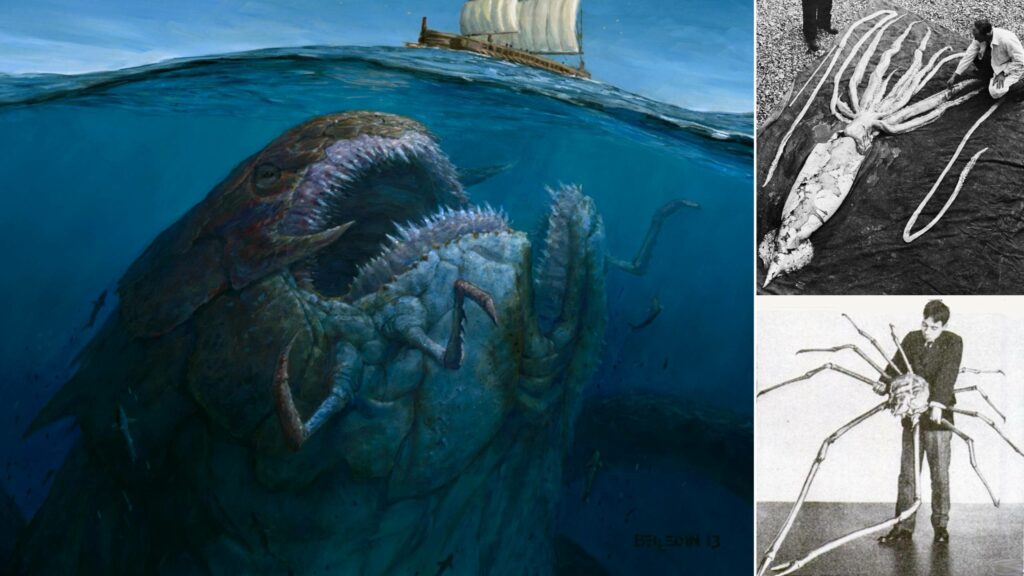
To truly understand the difference between polar and Palaeozoic gigantism, we need to delve into their respective origins.
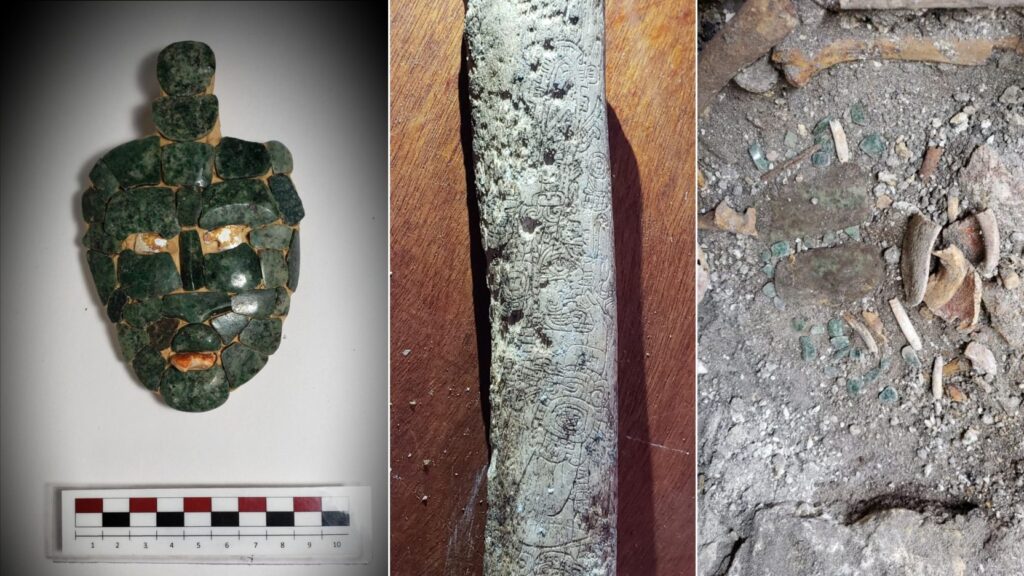
Grave Robbers had already beaten archaeologists to the site, but archaeologists found a tomb that was untouched by the looters.

A disk-shaped device, shown as being extraordinarily brilliant, with a landing gear deployed on top of a Sphinx.