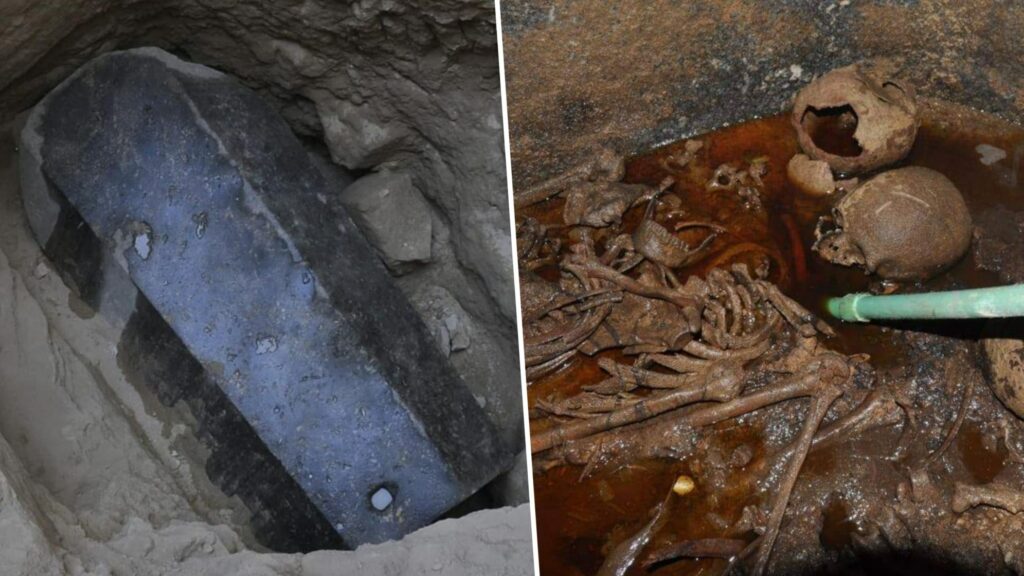
Unveiling the secrets of the massive black sarcophagus: what was found inside?
The find of the tomb beneath the coastal city of Alexandria dates back 2,000 years and has puzzled archaeologists.

The find of the tomb beneath the coastal city of Alexandria dates back 2,000 years and has puzzled archaeologists.

A harrowing 21-month journey of survival as Shackleton and his crew endured unimaginable conditions, including freezing temperatures, stormy wind, and the constant threat of starvation.
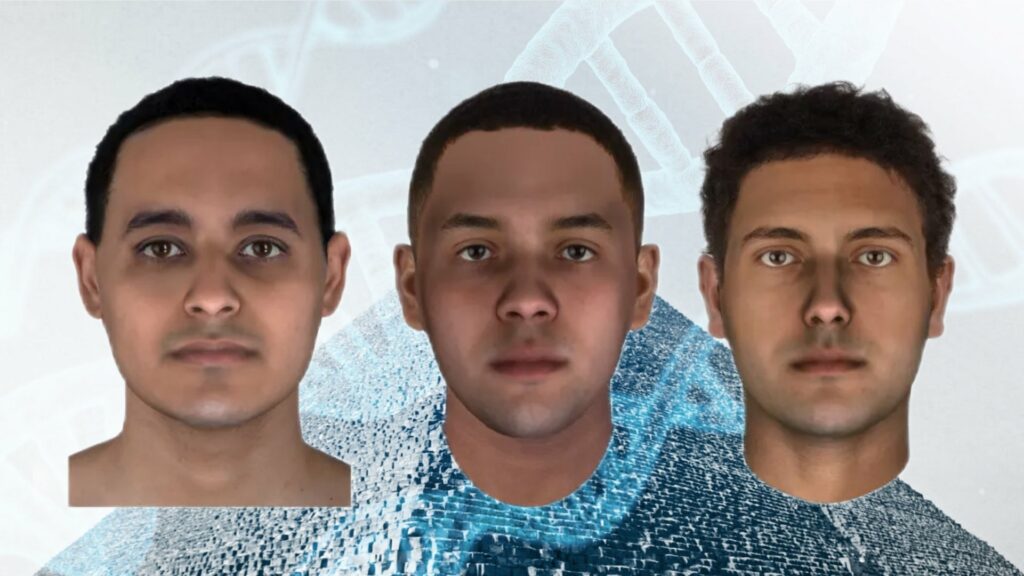
How did the ancient Egyptians look like 2,000 years ago? Did they have dark skin and curly hair? A Virginia-based laboratory has successfully recreated the faces of three mummies using their DNA.
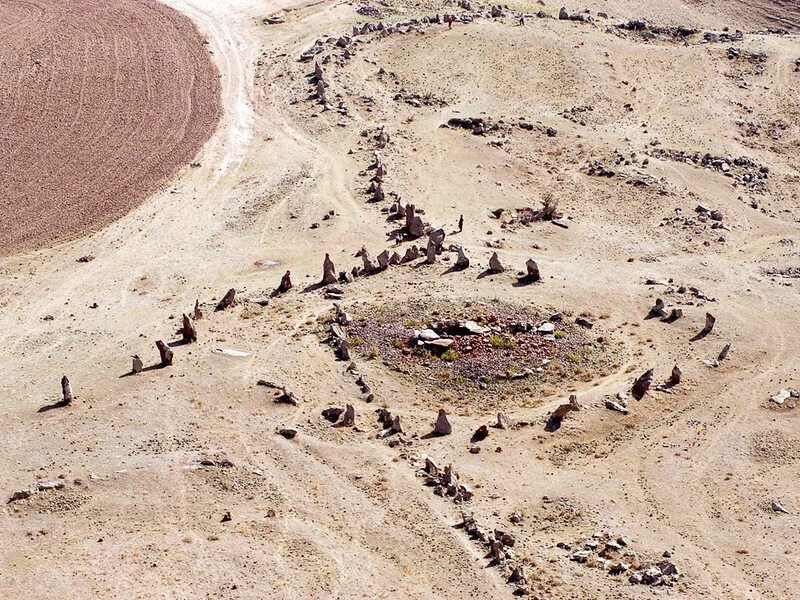
The 223 megalithic stones in the complex may have been used for prehistoric stargazing.
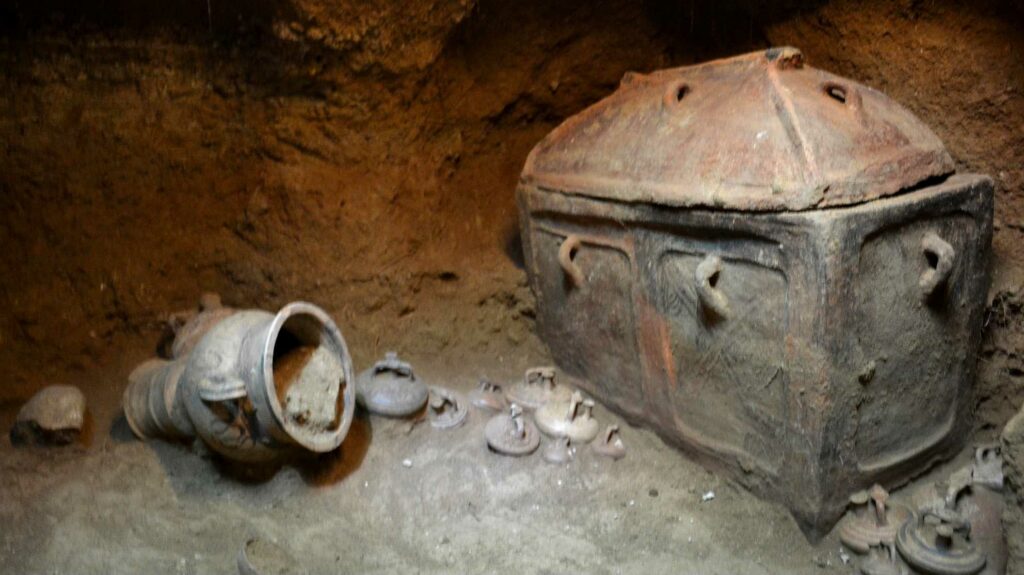
An excavation in an eight-foot-deep pit yielded two ancient coffins and a collection of funerary vases.

In 1991, scientists discovered a fungus named Cryptococcus neoformans at Chernobyl complex that contains large amounts of melanin – a pigment found in the skin which turns it dark. Later it was discovered that the fungi could actually "eat" radiation.
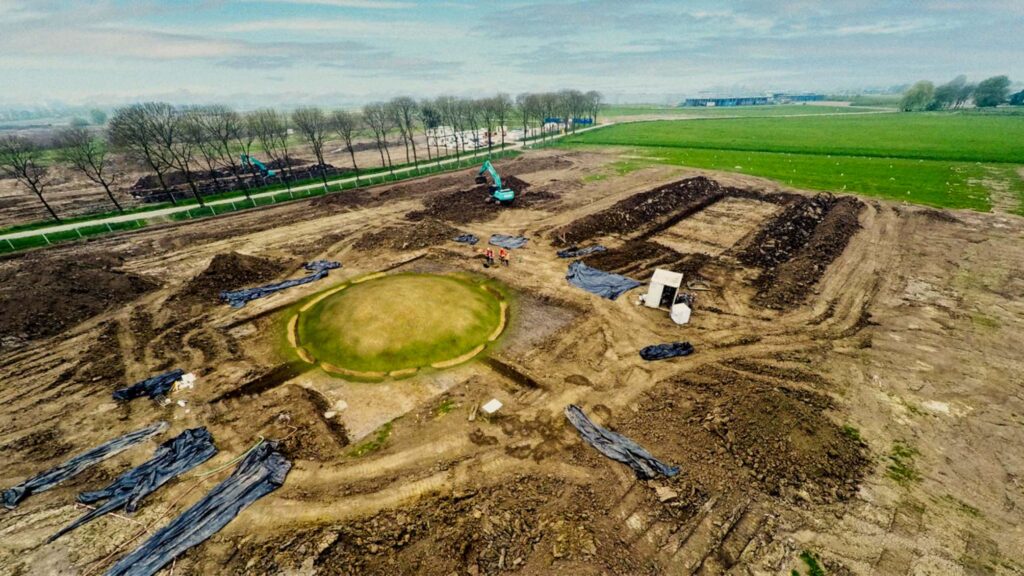
Archaeologists have discovered a 4,500-year-old sanctuary in the Netherlands that marks the solstices and equinoxes, and was also used as a burial ground.
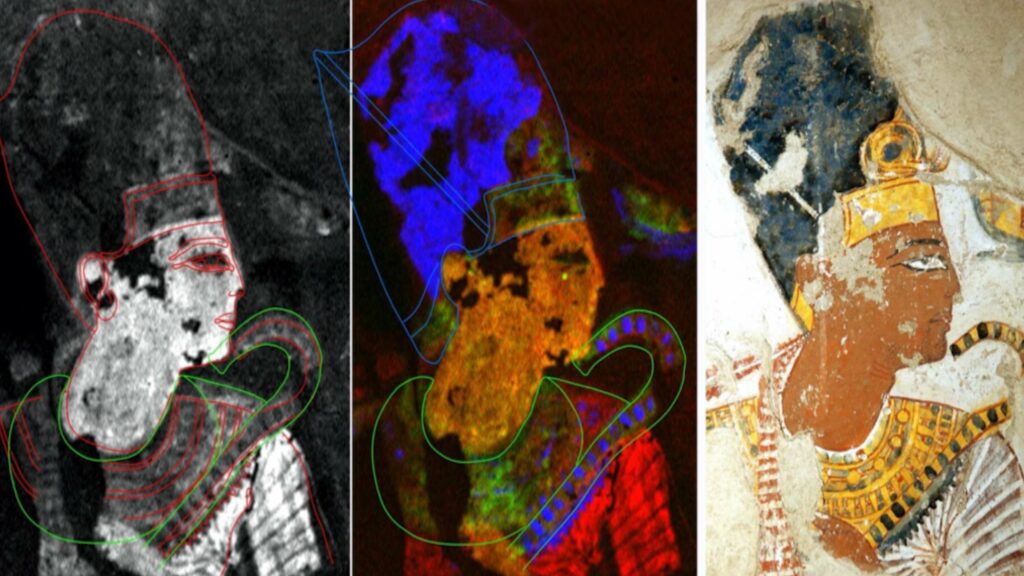
The technique called portable X-ray fluorescence has helped Egyptologists identify changes and adjustments to details of tomb decoration that are invisible to the human eye.
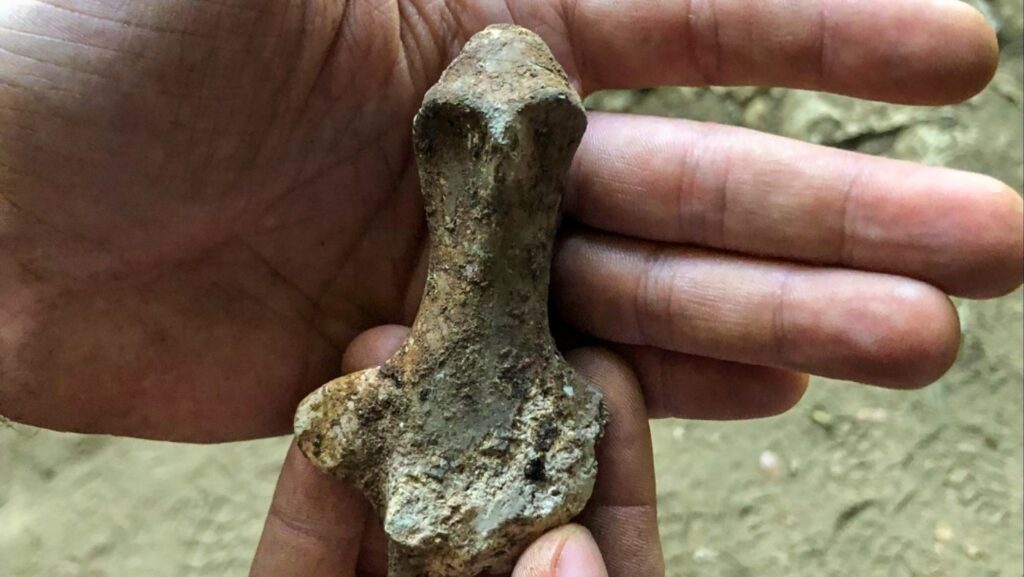
The figurine dates to the Neolithic period, when ancient people first started to develop farming communities in Italy.
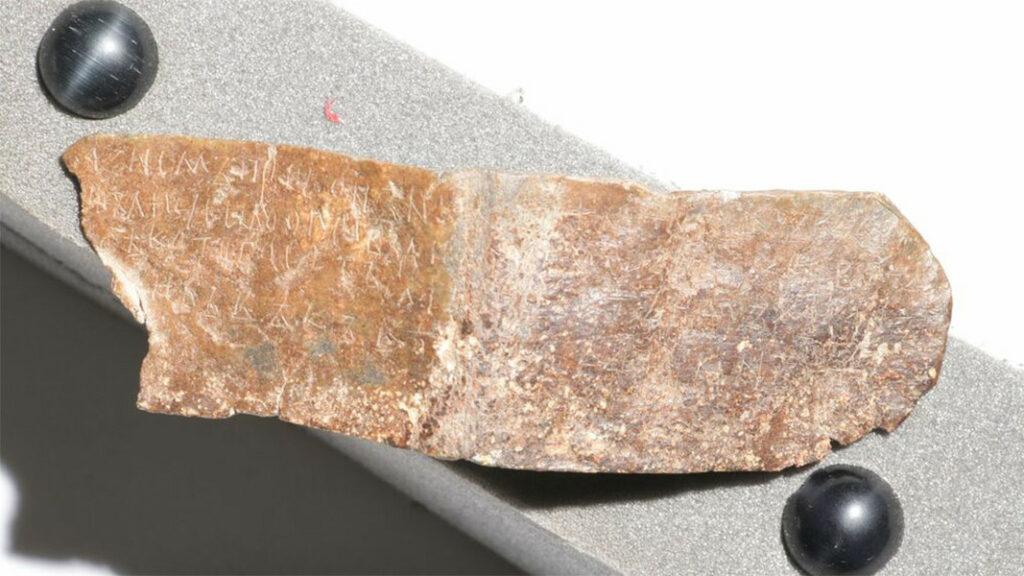
Researchers claim an inscription on a 1,100-year-old breastplate discovered in a ruined fortress in Bulgaria is one of the earliest known examples of Cyrillic text.